Estonian Startup bilt.me Raises 615K Euros To Let Anyone Build Native Mobile Apps With AI
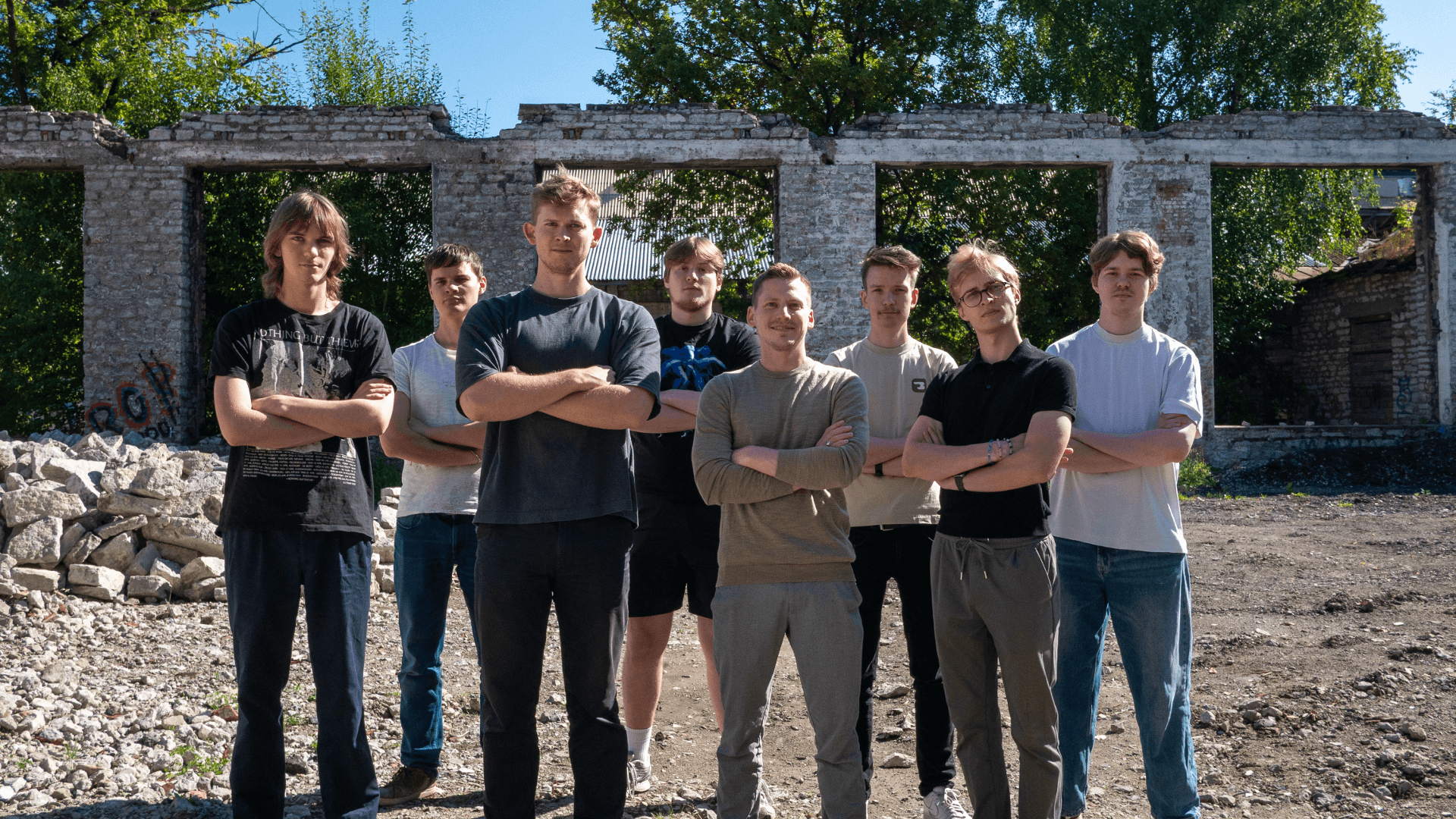
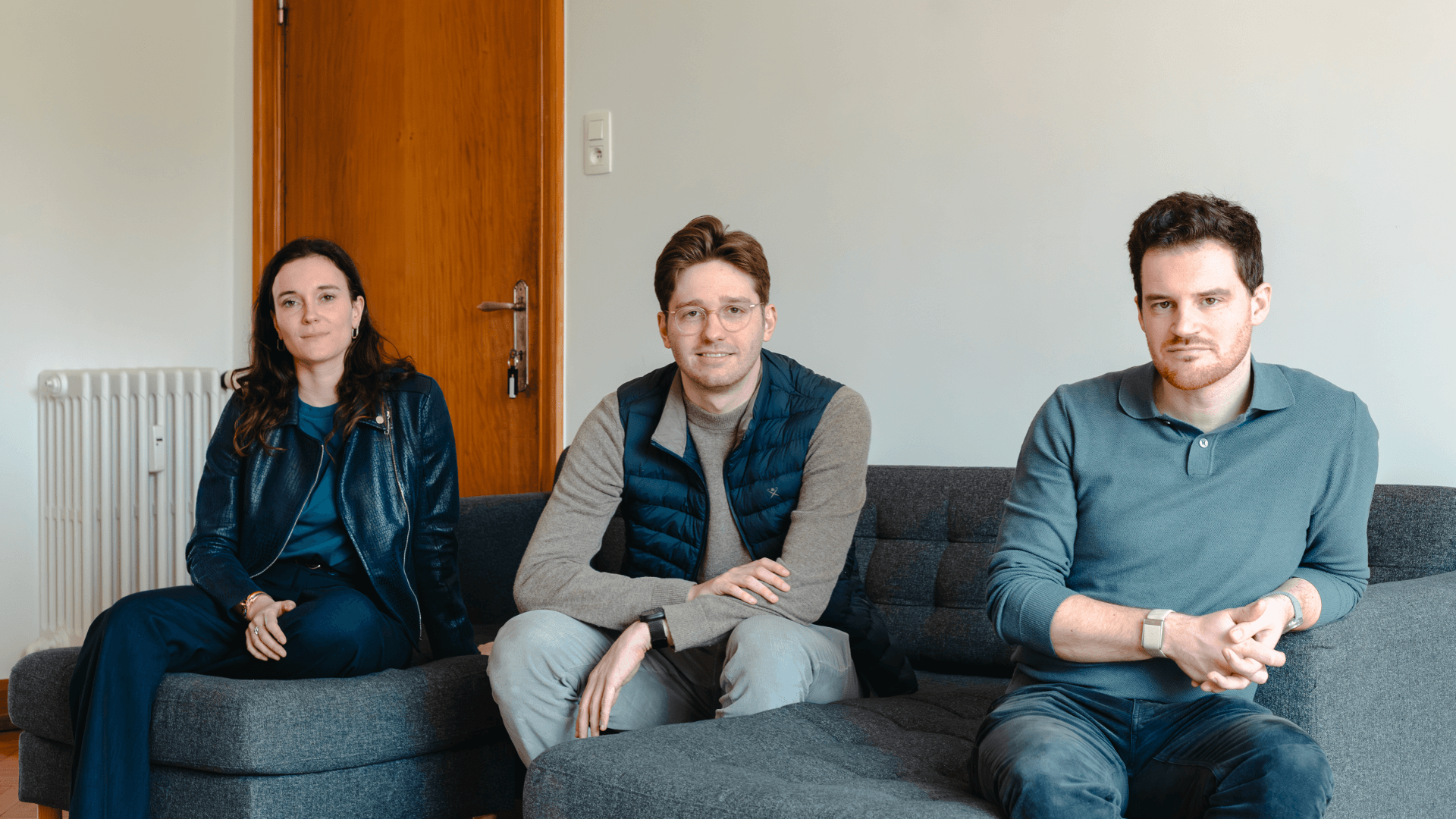
Uku Joost Annus, Kevin Akkermann, and Karl Kiilaspää
Image credit: bilt.me
bilt.me, a Tallinn based startup building an AI native mobile app builder, has raised 615,000 euros, roughly 700,000 dollars, in a pre‑seed round to expand globally and deepen its platform.
The round was led by Superhero Capital, a seed stage venture firm backing software driven startups across Finland, Estonia, Latvia and Lithuania. It also drew backing from two of Estonia's best known tech founders: Markus Villig, founder and chief executive of ride hailing company Bolt, and Martin Sokk, founder of the investing app Lightyear.
The company was founded in August 2025 by Uku Joost Annus, Kevin Akkermann and Karl Kiilaspää, who started it as a hackathon project aimed at working around Apple's app testing restrictions. Still in their early twenties, the trio won the inaugural cohort of ruum, a hacker space in Tallinn's Krulli Quarter, before turning the idea into a full platform. The team now includes six engineers and streams the building of its own apps live on Twitch.
The product follows a workflow that has become familiar in generative AI: a user describes an app idea in plain language, and an AI agent builds it, shows a preview on the user's phone and helps publish it to the App Store or Google Play. What bilt.me stresses as different is the output. Many AI app builders generate web apps, while bilt.me says it produces native Android and iOS apps without the user writing any code.
Annus has framed the opportunity around a gap in numbers. There are more than a billion websites but only a few million apps, he argues, because apps are harder to build, so fewer people make them. That gap is where bilt.me sees room to help far more people become entrepreneurs through mobile products. He has also made a broader argument about Europe's position in AI, saying the continent may be behind on energy, chips, AI infrastructure and frontier models, but remains world class at the application layer, where AI is turned into products people actually use and pay for.
Building native apps has pushed the company to build more of the surrounding stack itself. It has created its own payments, cloud and sharing layers, called Bilt Payments, Bilt Cloud and Bilt Link. Users can export the React Native code behind their apps, which addresses a common concern with no code tools about lock in. Pricing starts with a free tier and moves to paid plans from 13 euros a month, with an enterprise offering that includes single sign on, SCIM provisioning and zero data retention for larger customers.
Early commercial signals are strong for a company this young. bilt.me says it has passed six figures in annual recurring revenue, with revenue doubling month over month for three straight months. Thousands of people are building on the platform, roughly 75 percent of them creating consumer apps and 25 percent building private or in house tools. Users have already published paid apps on both major app stores, which matters because it shows the platform can carry projects through Apple and Google review rather than stopping at a prototype.
Villig, who has said that building an app was one of the biggest barriers to turning his own idea into a company when he was 19, described bilt.me as a way of removing that barrier for the next generation. If anyone with an idea can build and launch a real product, he argued, far more people will start companies and solve problems.
The funding will go toward global expansion and further development of the platform, with a long term goal of becoming the default route for anyone to build a business through mobile apps.
The market bilt.me is entering is crowded and moving quickly. AI tools that generate websites and web apps from prompts have attracted large user bases and heavy investment over the past two years, and mobile is the harder frontier because of store review rules, device testing and native performance requirements. By focusing on native output and owning the payments and distribution layers around it, bilt.me is betting that a vertically integrated product can serve non technical founders better than a general purpose code generator.
Whether that bet holds will depend on how well the platform keeps pace with changing App Store and Google Play policies, and on whether its early revenue momentum carries through as the user base widens from enthusiastic early adopters to a broader group of first time builders.
Topics
Stay informed
Startup news in your inbox
Get important funding rounds, founder stories, and startup updates.
No spam - only important startup updates.