Boxd Bags $2M To Give AI Coding Agents Their Own Persistent Machines

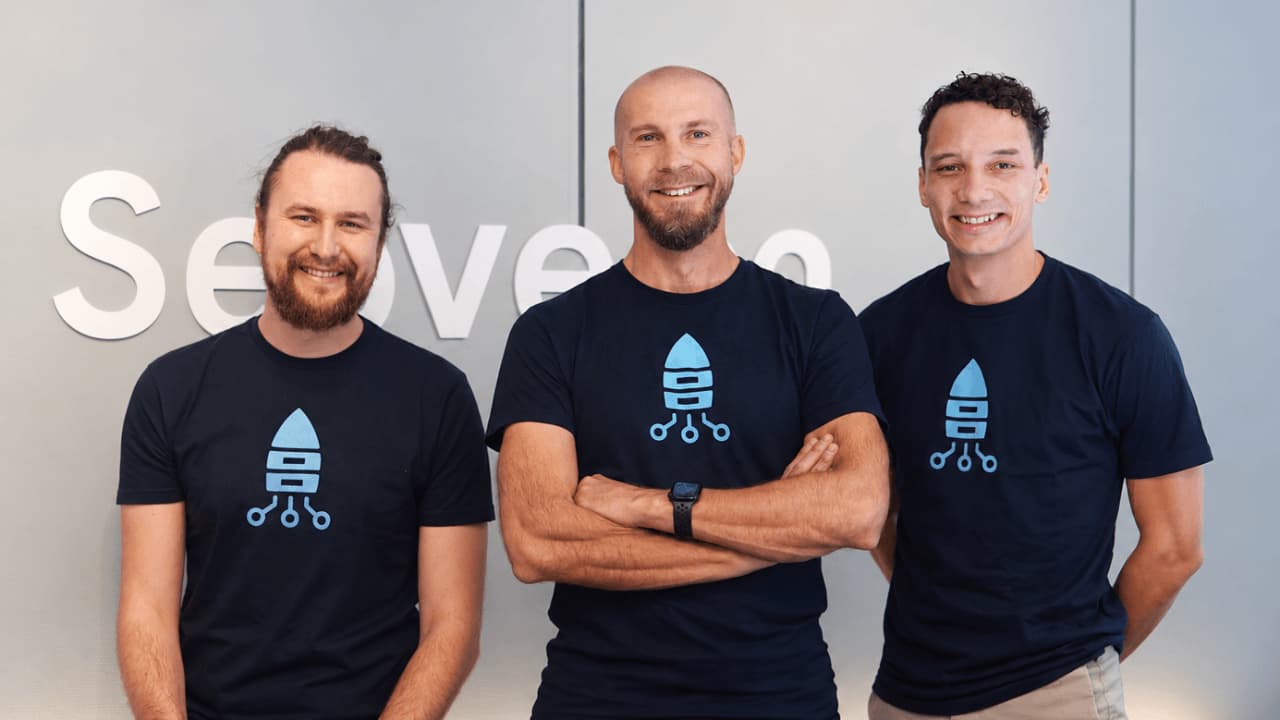
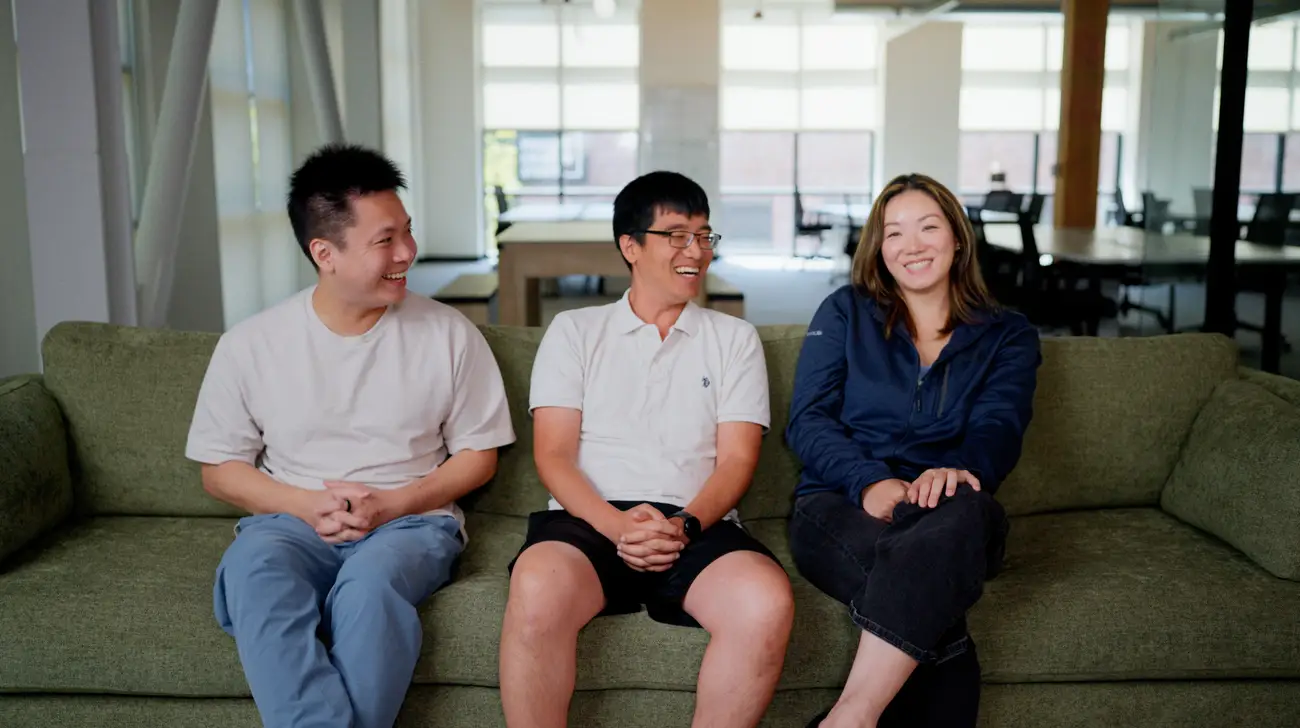
Boxd founder Michiel Voortman, Laurentiu Ciobanu, and Hidde Kehrer
Image credit: Boxd
Boxd, a Dutch cloud infrastructure startup, has raised 2 million dollars in a pre‑seed funding round to build computing infrastructure purpose built for AI coding agents, a category of software that the company argues has outgrown the disposable containers most cloud providers still offer it.
The round was led by BlueYard Capital, with participation from OVNI Capital, Antler, S20 and Script Capital, alongside business angels from General Intuition and other technology companies. Boxd was founded by Michiel Voortman, Laurentiu Ciobanu and Hidde Kehrer.
The problem Boxd is built around follows directly from how AI coding agents have started to be used in practice. As agents like Claude Code, Cursor and other autonomous coding tools have moved from writing isolated snippets to running, testing and iterating on real software projects, they increasingly need something closer to a full computer to work with, one that can install dependencies, run background services, and preserve state across a long running task, rather than a lightweight, disposable sandbox that resets the moment a process finishes. According to Boxd, the container based infrastructure most cloud platforms currently offer for this purpose carries real security vulnerabilities and loses all state as soon as a task completes, forcing an agent to rebuild its working environment from scratch on every new run.
Boxd's answer is a cloud platform built around hardware isolated, persistent virtual machines rather than containers. Those virtual machines are designed to behave like a real, dedicated computer for as long as a developer or an agent needs one, retaining memory, running processes and state between sessions instead of discarding them. A central technical feature of the platform is live forking, which lets a team create an exact copy of a running virtual machine, including its active memory and open connections, in under 100 milliseconds. That capability is aimed squarely at how autonomous coding agents actually work when trying to solve a problem, often by exploring several different approaches to the same task in parallel, since live forking lets multiple agent instances branch off from an identical starting state and test different solutions simultaneously without each one needing to set up its own environment from zero.
The infrastructure is aimed at two overlapping groups of users, human developers who want a persistent, isolated cloud machine to build and test software, and autonomous AI agents that need the same underlying capability but operating without a person directly at the keyboard. Boxd has framed that second use case as the more structurally important one going forward, arguing that a real computer, rather than a temporary sandbox, is what any AI coding agent ultimately needs in order to build, test and deploy software safely and reliably.
The new funding will go toward growing Boxd's team and continuing development of its custom virtualisation engine, the core technology underpinning both the persistent virtual machine model and the sub‑100‑millisecond live forking capability. The company's stated aim is to scale that infrastructure so that developers and AI agents alike can access the computing resources they need without the friction and security tradeoffs that come with today's more common container based alternatives.
Boxd enters a developer infrastructure category that has drawn a wave of new entrants and fresh capital over the past year, as the rapid adoption of AI coding tools has exposed real gaps in the infrastructure originally built for human developers working at a slower, more manual pace. New York based Niteshift raised 7 million dollars in seed funding for a broadly similar mission, providing full stack cloud environments that let coding agents such as Claude Code and Codex operate with proper runtimes and dependencies rather than a bare sandbox, while Columbus, Ohio based RWX raised a 12 million dollar Series A to rebuild the CI/CD layer specifically for the speed and volume of AI generated code that traditional testing pipelines were never designed to validate. Both of those companies, along with Boxd, point to the same underlying shift, that AI coding agents are quickly outgrowing infrastructure that was designed around human coding speed and human‑scale testing cycles.
What differentiates Boxd within that emerging category is its emphasis on persistent, hardware isolated virtual machines rather than a managed environment layered on top of existing container infrastructure, a more foundational and technically demanding bet that trades faster time to market for what the founders argue is a meaningfully more secure and capable base to build on. Whether that lower level approach proves more durable as AI coding agents continue to change how they operate will likely depend on how well Boxd's virtualisation engine holds up at scale against better funded competitors building similar infrastructure from a different starting point.
Topics
Stay informed
Startup news in your inbox
Get important funding rounds, founder stories, and startup updates.
No spam - only important startup updates.