MIT PhD Ethan Hu Turns Meshy Into a 1.5 Billion Dollar AI 3D Unicorn With Nearly 400 Million Dollar Raise
Editorial Team

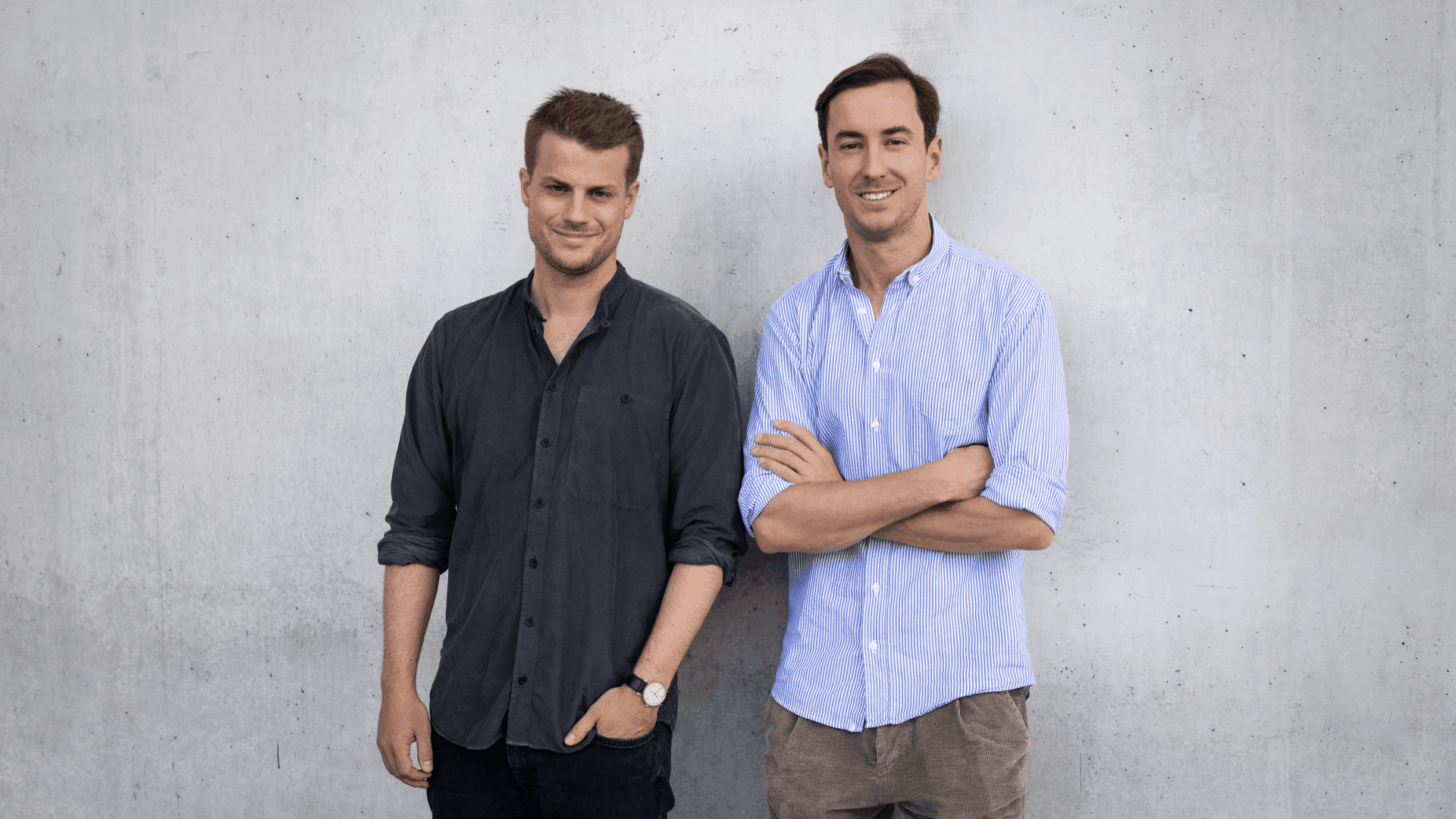
Meshy founder Ethan (Yuanming) Hu,
Image credit: Meshy
Meshy, a company building foundation models for AI powered 3D generation, has raised nearly 400 million dollars in a Series B round at a 1.5 billion dollar valuation, marking what the company describes as the largest funding round to date for a business built specifically around generative AI for three‑dimensional content.
The round was led by IDG Capital, Matrix Partners China and Monolith Management, joined by existing backers Granite Asia, HongShan, formerly known as Sequoia China, BAI Capital and Source Code Capital, all of whom oversubscribed their allocations. It marks the company's first publicly disclosed valuation since Ethan Hu, an MIT PhD in computer graphics, founded Meshy in 2023.
Cutting Weeks of Specialist Work Down to a Minute
Building a usable 3D model has traditionally required days of specialized software work, an experienced designer, and a budget line few small studios or independent creators could justify. Meshy's core pitch is that it has compressed that entire process down to about a minute and a dollar, letting users generate a production ready 3D asset directly from a single line of text or one reference image.
That shift from a multi‑day, expert‑dependent workflow to a near‑instant, low‑cost one has driven rapid platform adoption. Meshy now counts more than 12 million registered users worldwide and says its platform has generated more than 100 million 3D models to date. According to the company, its annual recurring revenue was growing at roughly 12 times year over year as of July 2026, a pace that helped justify the size and valuation of its latest funding round.
From Research Lab to Real Commercial Traction
Meshy said its technology is already being used by teams inside five of the world's ten largest technology companies by market capitalization or valuation, alongside named partners spanning gaming, consumer electronics and design. Its customer and partner list includes gaming studios Nexon, NetEase Games and 37 Interactive Entertainment, along with consumer 3D printing companies Bambu Lab, Creality, Elegoo, FlashForge and xTool. Fashion house Hugo Boss and Sweden's national museum of art and design have also worked with the platform.
That concentration of 3D printer hardware brands among Meshy's customers points to one especially concrete use case: taking a generated 3D model directly from concept to a physical, printable object, closing the gap between digital design and manufacturing in a way that previously required dedicated modeling expertise at every step.
A Funding Round Shaped by China‑Linked Capital
Nearly every major AI 3D funding round in 2026, including Meshy's and rival Tripo AI's, has been backed almost entirely by China‑linked capital. Meshy's backers beyond its lead investors include Geely Capital, gaming companies 4399 Network, Tanwan and Giant Network, and Fosun Capital, continuing that pattern. Some reporting has described Meshy as Beijing‑based with a founder trained at Tsinghua University's Yao Class before his graduate studies at MIT, while the company's own materials list its headquarters as Silicon Valley, California, a detail that reflects how globally distributed many of today's frontier AI companies have become across founding teams, operations and capital sources.
A Rapidly Consolidating AI 3D Category
Meshy's raise comes as investor attention in generative AI expands well beyond text and image generation into three‑dimensional content, spanning gaming, industrial design, e‑commerce, digital manufacturing and immersive computing. Competing AI 3D company Luma AI is reported by industry analysts to be closing in on a funding round approaching 900 million dollars, though that figure has not been officially confirmed, suggesting Meshy's position at the top of the AI 3D funding table may not remain uncontested for long.
What the New Capital Will Support
Meshy said it plans to use the funding primarily to expand its research and development activities while accelerating growth in international markets. Alongside the funding announcement, the company introduced several new product capabilities aimed at deepening its enterprise and professional offerings, part of a broader effort to move beyond visually realistic assets toward models that can be used directly in production environments, including game development pipelines and physical manufacturing through 3D printing.
Making 3D Creation Accessible to Everyone
Meshy has described its long‑term mission as closing the gap between imagination and reality, starting with single 3D objects today and eventually extending toward fully immersive experiences that people can feel and remember. With its technology already embedded inside some of the world's largest technology companies and a rapidly growing base of individual creators, Meshy's latest raise gives it substantial capital to pursue that ambition, even as competition in the AI 3D space intensifies and rival companies chase similarly large rounds of their own.
Topics
Sources
Stay informed
Startup news in your inbox
Get important funding rounds, founder stories, and startup updates.
No spam - only important startup updates.