Applied Compute Raises $80 Million to Build Proprietary AI Agents Trained on Enterprise Data
Editorial Team

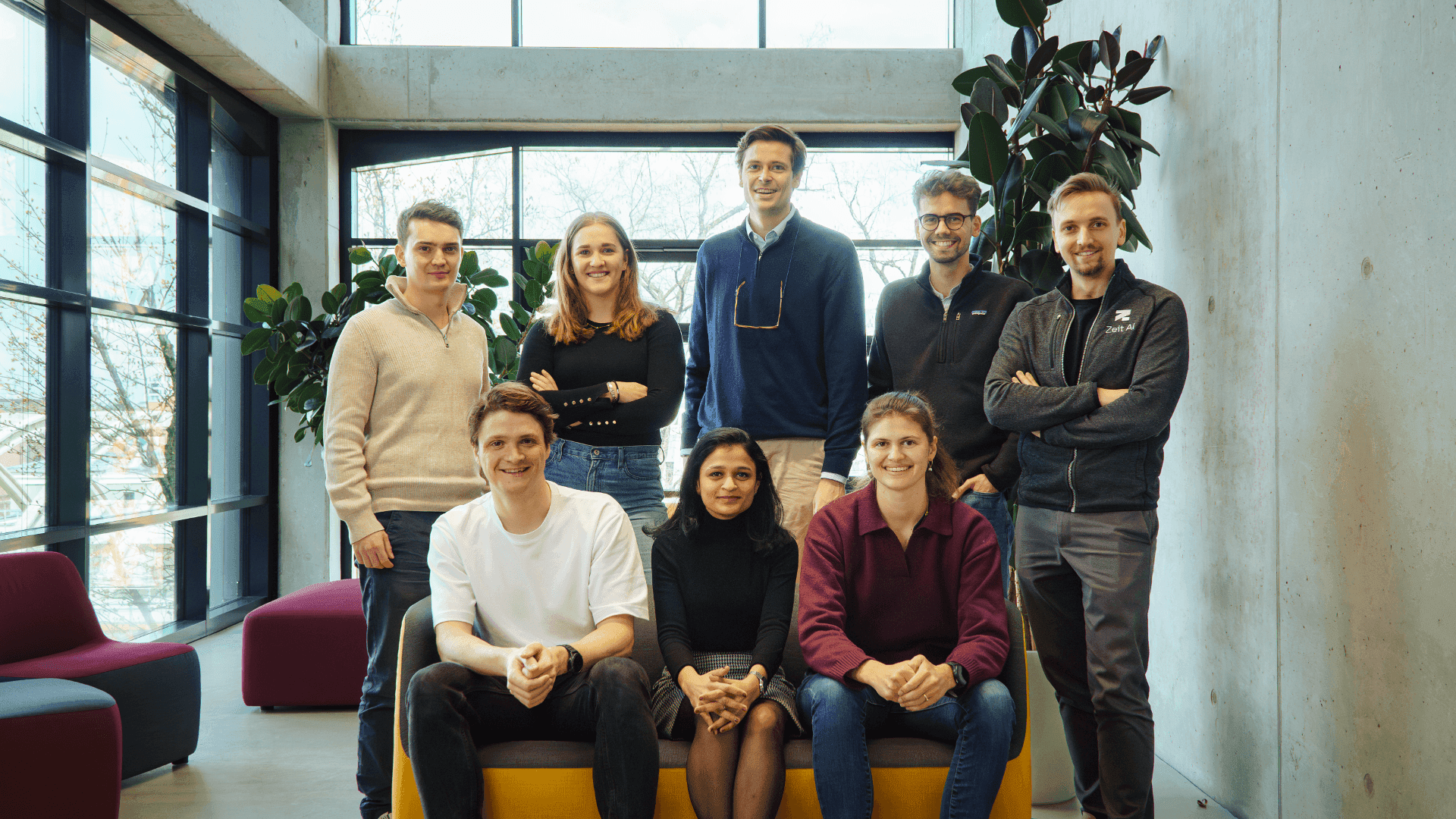
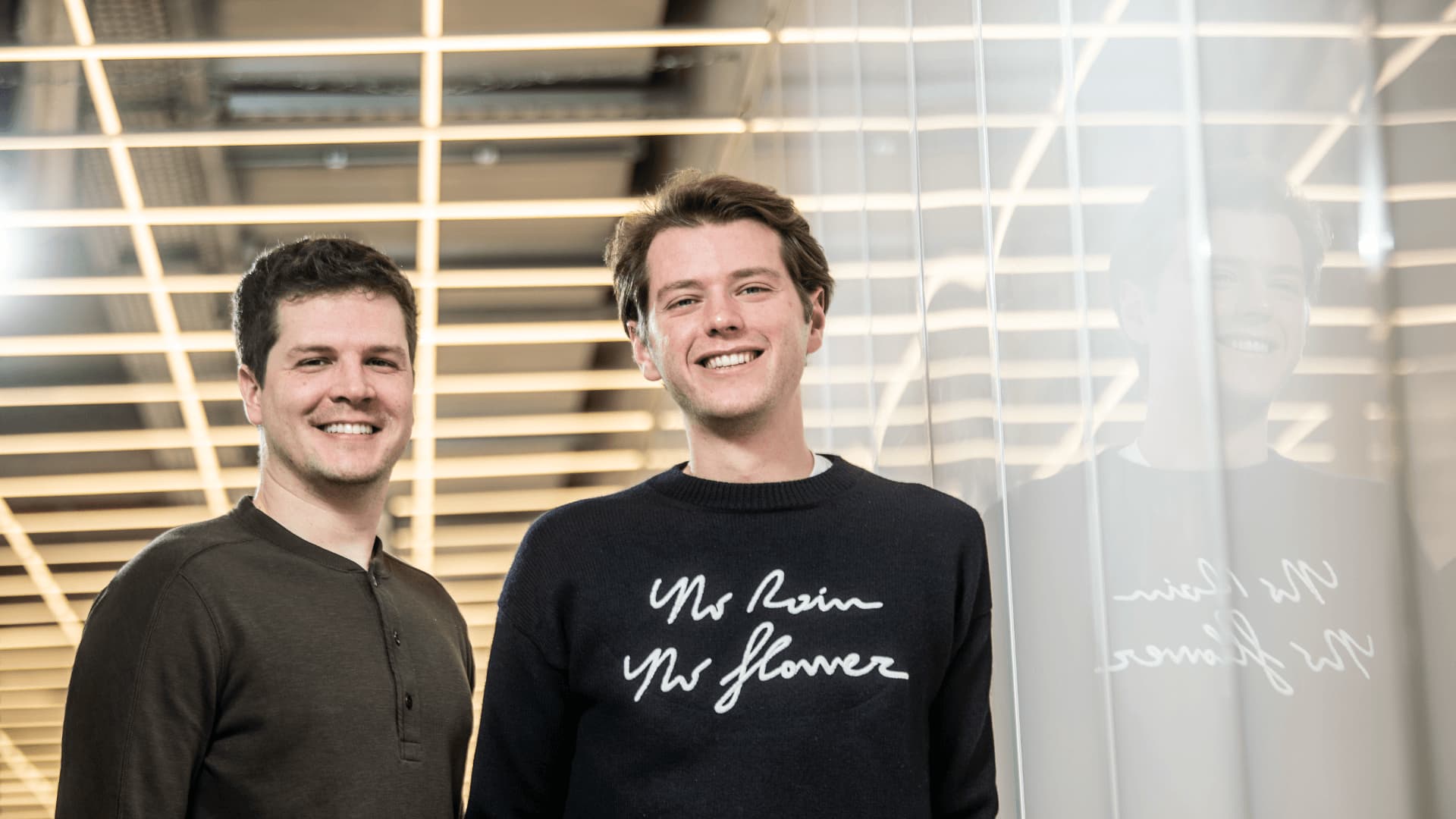
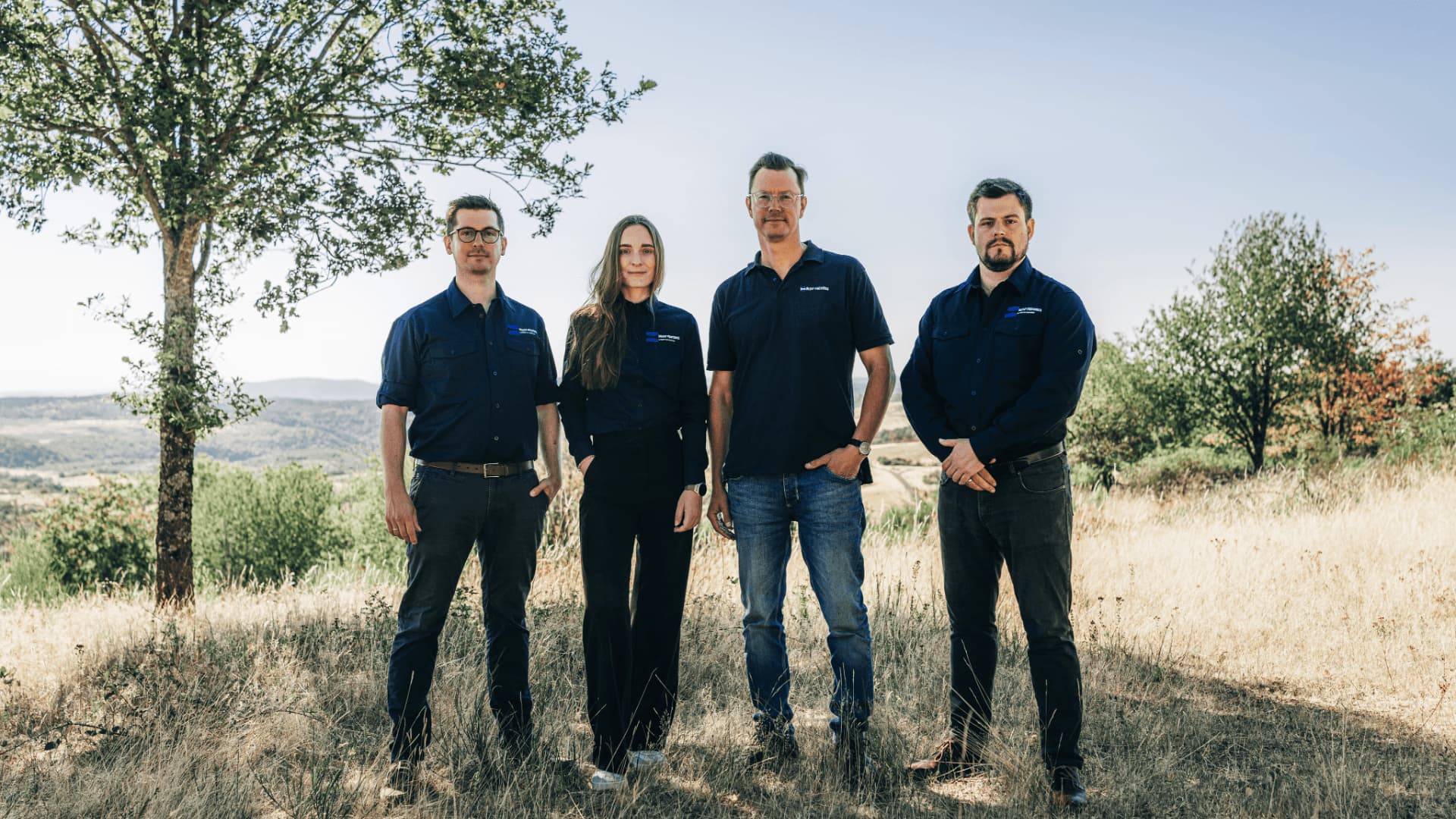
The founding team of Applied Compute reads like a technical specification for the current AI moment. Yash Patil previously worked on Codex, OpenAI's software engineering assistant. Rhythm Garg was a core contributor to o1, OpenAI's reasoning model. Linden Li built reinforcement learning training infrastructure. Together, they left OpenAI in 2025 to build something specific: AI agents that do not rely on general‑purpose foundation models, but are trained from scratch on each enterprise customer's own data.
The company raised $80 million from Benchmark, Sequoia Capital, Lux Capital, and a group of angels. Early clients include DoorDash, Mercor, and Cognition, the company behind the AI engineer Devin.
The thesis behind Applied Compute is that general foundation models like GPT‑4 and Claude create utility without competitive differentiation. Every company using the same model gets the same baseline capability. What enterprises actually need, the argument goes, is intelligence trained on their own institutional knowledge, fine‑tuned for their specific workflows, and owned by them rather than rented from a third‑party lab.
Applied Compute calls this approach Specific Intelligence. The company embeds engineers directly with enterprise teams to build training stacks and agent platforms using the customer's proprietary data. The resulting agents are deployed as an in‑house workforce, owned by the client, and designed to continuously improve through ongoing use rather than waiting for the next public model release.
The economics of this model work because most enterprise data is unusable by general models. A company's internal ticketing systems, product documentation, customer interaction histories, and compliance records represent a knowledge base that no public model has seen. Training on that data produces agents that perform dramatically better on the tasks that actually matter to that organization.
Early deployments at DoorDash have focused on encoding quality standards directly into model training, allowing the company to scale its internal expertise and improve menu accuracy across the platform.
Applied Compute launched in May 2025 and had already closed approximately $20 million in a pre‑launch round at a $100 million valuation before the $80 million raise. Reports in early 2026 indicated the company was in discussions to raise further capital at a $1.3 billion valuation, more than doubling its previous round figure. Whether that round closes at those terms will be a signal of how much the market is willing to pay for the specific intelligence thesis.
Stay informed
Startup news in your inbox
Get important funding rounds, founder stories, and startup updates.
No spam - only important startup updates.