13 Million Students. 7 Employees. $22 Million. The Gamified AI Study App Nobody Expected to Win.
Editorial Team
In 2023, Gizmo had 300,000 users. When TechCrunch covered the London‑based AI learning platform that year, it was an interesting early‑stage edtech bet built by three University of Cambridge graduates. On April 15, 2026, the same company announced a $22 million Series A with 13 million users across more than 120 countries. That growth rate, from 300,000 to 13 million users in roughly three years, tells most of the story.
The Series A was led by Shine Capital, with participation from Ada Ventures, Seek Investments, GSV, and NFX, which previously led Gizmo's $3.5 million seed round. The company was founded in 2021 by Petros Christodoulou (CEO), Robin Jack (CTO), and Paul Evangelou (CPO), three Cambridge graduates who built the platform around a thesis that every major engagement study points toward: students are already spending enormous amounts of time on their phones, and the question is whether that time can be redirected into something useful.
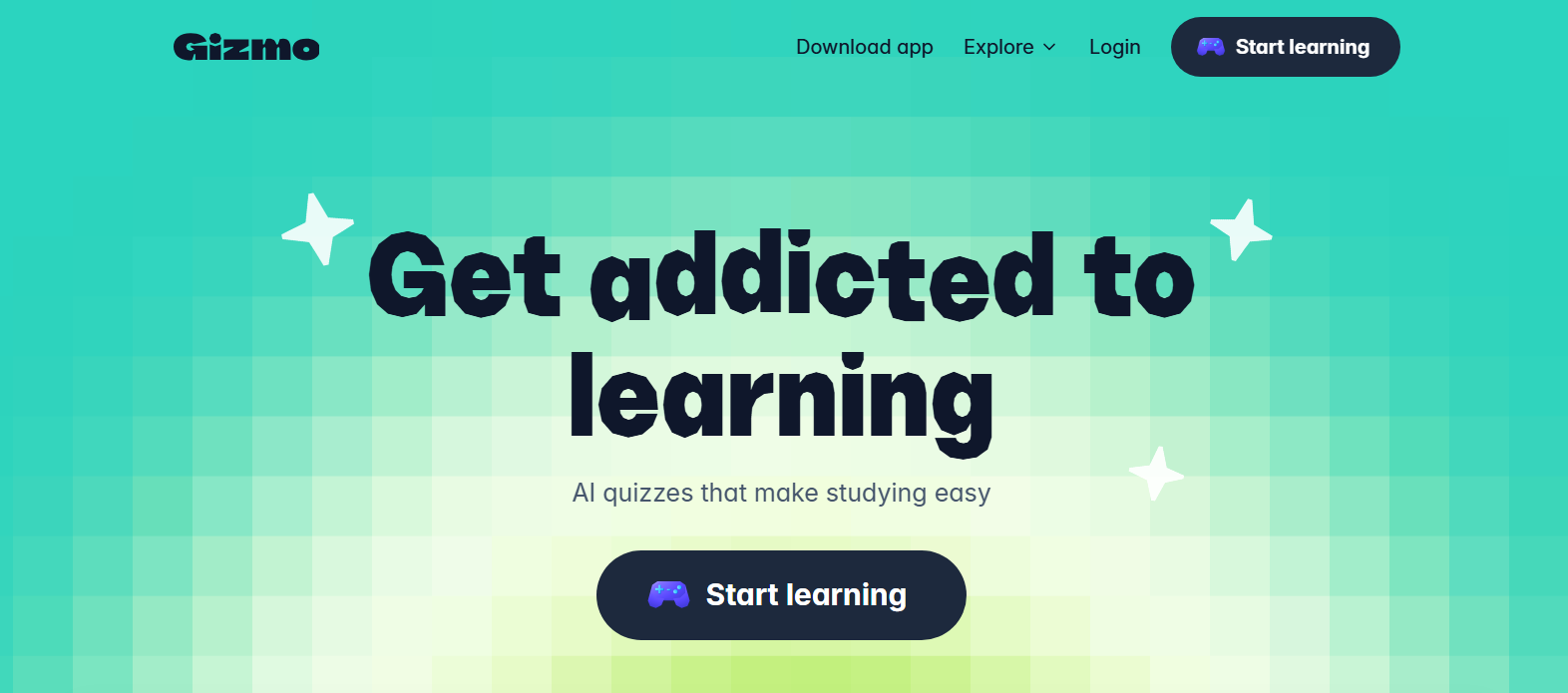
Gizmo's answer is to make studying as mechanically engaging as the apps students are already using. The product works like this: a student uploads their notes, lecture recordings, YouTube videos, PowerPoint slides, or photographs of handwritten materials. Gizmo's AI transforms that content into:
- Flashcards tuned to the student's specific material rather than generic topic sets.
- Adaptive quizzes that adjust difficulty based on performance patterns.
- Interactive study sessions with leaderboards, streaks, and limited daily lives for incorrect answers.
- Shared study sessions where students can challenge friends and compete on the same material.
The mechanics are explicitly borrowed from consumer gaming and social apps. Ada Ventures co‑founding partner Check Warner described what the firm backed: a product that turns everyday screen time into meaningful progress rather than fighting against students' existing behavior.
Gizmo's user base reflects the breadth of the opportunity: GCSE and A‑level students in the UK, college students in the United States, and professionals in markets like the Philippines using the platform for upskilling. The $22 million is specifically earmarked to expand into the US college market, where Gizmo has identified a large opportunity in the first two years of university, when students are adjusting to academic environments that are structurally different from secondary school and where study technique gaps have the most direct impact on outcomes.
At the time of the raise, Gizmo employed seven people. The company plans to scale to approximately 30 during the expansion phase, with the new hires focused on engineering, AI, and go‑to‑market functions for the US college push.
For context on the competitive landscape, Quizlet has over 60 million monthly active users and has been the dominant digital flashcard platform for over a decade. Anki has deep loyalty among university students, particularly in medical and professional programs. Newer entrants like Yuno and Knowt have reached 1 million and 7 million users respectively. Gizmo at 13 million users is already ahead of most of the newer competition and within range of making the established players genuinely uncomfortable.
More at gizmo
Stay informed
Startup news in your inbox
Get important funding rounds, founder stories, and startup updates.
No spam - only important startup updates.