Chad Rigetti Left His First Company to Solve AI's Energy Problem. He Just Raised $139 Million to Do It With Quantum.

Every credible analysis of the global AI industry's growth trajectory arrives at the same constraint: energy. An estimated $5.2 trillion in capital expenditure is needed by 2030 to meet global demand for AI computing, including approximately 125 gigawatts of new power generation capacity. That is not a software problem. It is a physics problem. And physics problems require hardware solutions.
Sygaldry Technologies, the Ann Arbor and San Francisco‑based startup co‑founded in 2024 by quantum computing pioneer Chad Rigetti, believes quantum hardware is that solution. On April 14, 2026, the company announced $139 million in combined funding across two rounds. The $105 million Series A closed in March 2026, led by Breakthrough Energy Ventures, the climate‑focused investment fund backed by Bill Gates. The Series A followed a $34 million seed round led by Initialized Capital.
The investor list that assembled around Sygaldry reflects both the commercial AI infrastructure opportunity and the climate technology dimension of its thesis. Participating investors include Y Combinator, Rock Yard Ventures, IQT, the University of Michigan, QDNL Participations, Expeditions Fund, 468 Capital, Morpheus Ventures, WTI, Overmatch Ventures, RRE Ventures, and Switch Ventures.
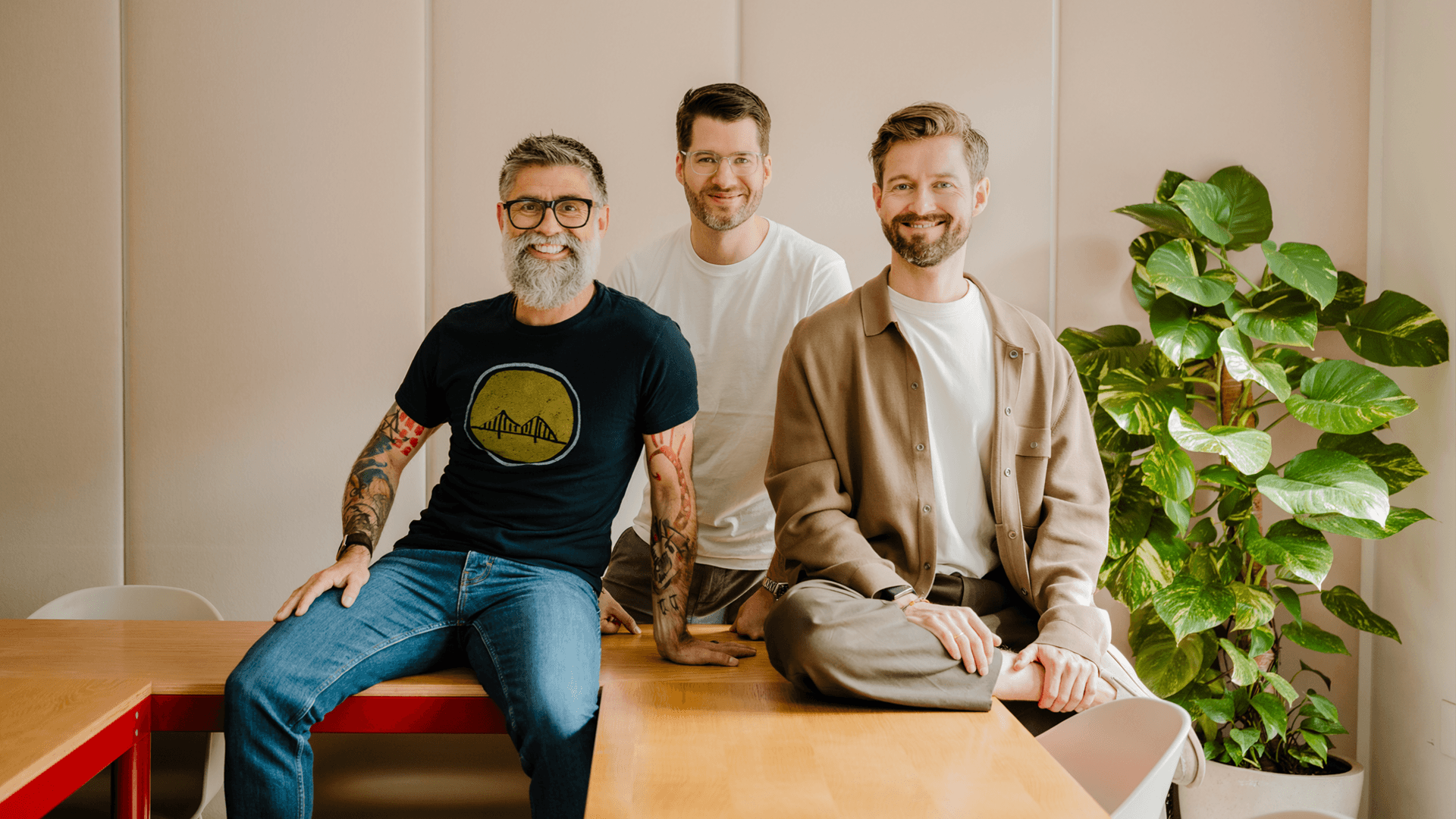
Chad Rigetti is not new to this problem. He founded Rigetti Computing in 2013, which developed quantum computer circuits and went public via SPAC in 2022. He left Rigetti Computing in 2024 to found Sygaldry with two co‑founders: Idalia Friedson, a quantum computing veteran, and Michael Keiser, an AI scientist. The distinction between Rigetti Computing and Sygaldry is essential to understanding why this company exists and what it is specifically trying to build.
Sygaldry is not a general‑purpose quantum computer company. It is specifically building quantum‑accelerated AI servers designed to operate alongside classical GPU infrastructure within existing data centers. The approach works in three phases:
First, quantum algorithms that accelerate the classical AI computations that training and inference already depend on, reducing the energy and cost per computation without requiring AI teams to change their workflows.
Second, a multi‑qubit fault‑tolerant architecture that combines multiple complementary qubit modalities within a single server, creating a richer design space than single‑modality quantum systems can achieve.
Third, quantum‑native approaches to AI that are genuinely beyond what classical systems can compute, targeting the frontier cases where quantum advantage is most substantial.
Carmichael Roberts, managing partner at Breakthrough Energy Ventures, described the investment rationale directly: the energy intensity of large language models continues to grow at a rate that is unsustainable, and Sygaldry's vision for bringing quantum directly to the AI data center has the potential to bend the cost and energy curve at the moment it matters most.
Rigetti's framing of the company's mission was precise: "We're building quantum computers that meet the specific requirements for AI processing, with the goal of enabling a fundamentally more efficient way of converting megawatts into intelligence."
The phrase "converting megawatts into intelligence" is the right frame for understanding why Breakthrough Energy Ventures, a fund built around the thesis that climate and energy constraints require genuine technological breakthroughs rather than incremental efficiency gains, is the lead investor. Every megawatt of AI compute that quantum acceleration can reduce or replace is a direct emissions reduction that scales with the growth of the AI industry itself.
Sygaldry is targeting commercialization within a timeline that Rigetti has described as achievable, without specifying a precise date. The company's quantum algorithms are designed to plug into existing AI research tools, meaning the first deployable versions of its technology can work alongside existing GPU infrastructure rather than requiring a ground‑up replacement of data center hardware.
More at sygaldry.com
Stay informed
Startup news in your inbox
Get important funding rounds, founder stories, and startup updates.
No spam - only important startup updates.