OpenAI Just Bought a Personal Finance Startup. Here Is What That Means for ChatGPT's Next Move.
Editorial Team
There is a pattern to how large AI companies extend their platforms into new categories. They build features internally, then discover that the team expertise required to do it well is rarer than the feature request. At that point, they acquire a startup with that expertise, shut down the product, and pull the team into their internal roadmap. It is faster than hiring and more targeted than a typical M&A deal.
This is precisely what OpenAI has done with Hiro Finance.
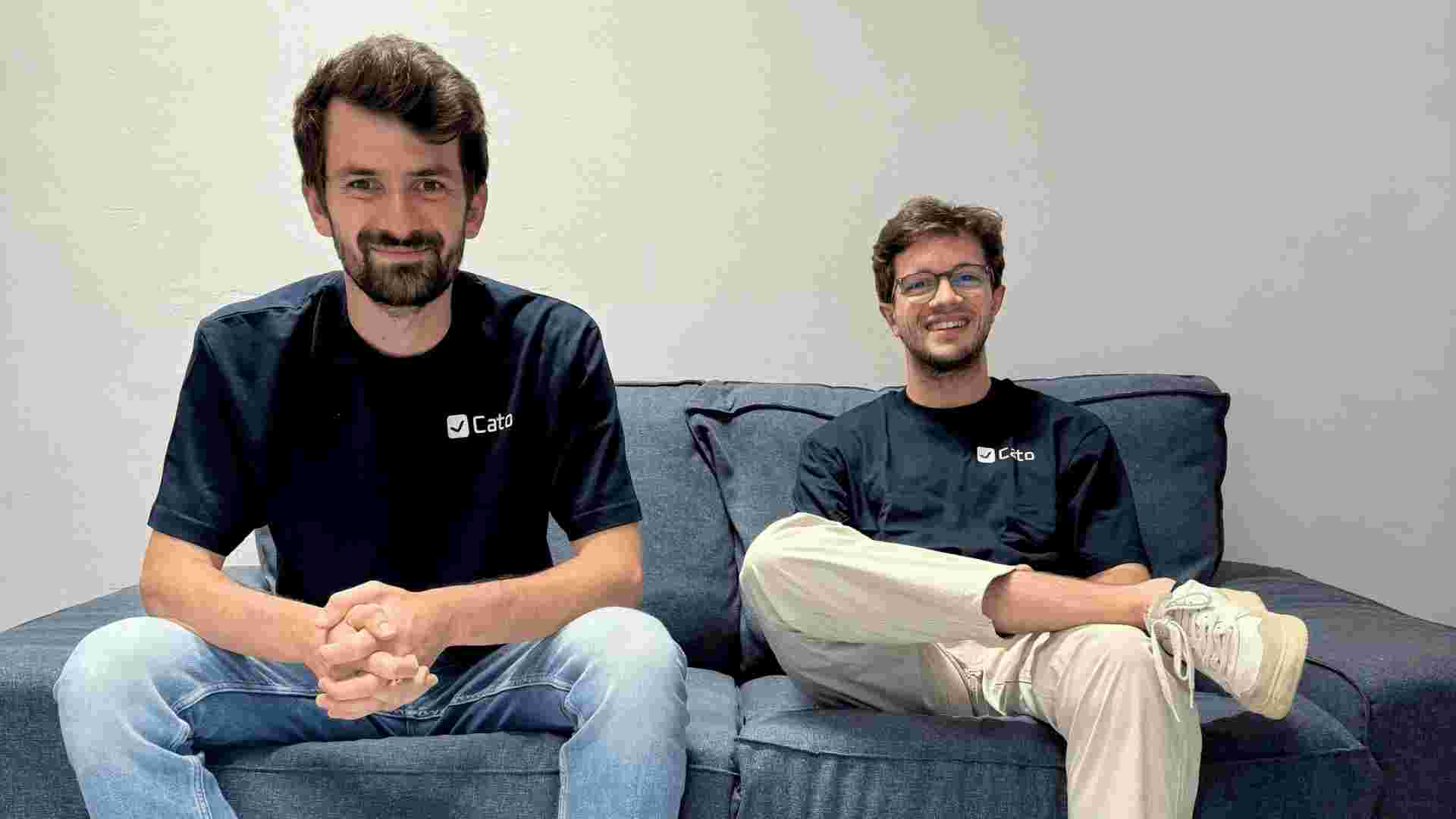
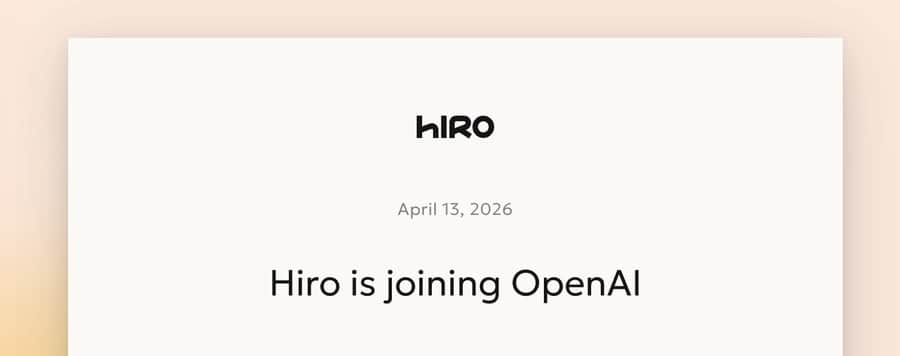
On April 13, 2026, Ethan Bloch, the founder of Hiro Finance, announced on LinkedIn that his company had been acquired by OpenAI. OpenAI confirmed the deal to TechCrunch. Financial terms were not disclosed, Hiro never publicly revealed how much it had raised, and the structure of the deal tells the story clearly: Hiro stops accepting new users immediately, shuts down its product on April 20, and will delete all user data from its servers by May 13. Bloch and his team of roughly ten people are joining OpenAI. No user data will transfer. This is an acquihire.
Hiro was founded in 2023 and launched its AI tool approximately five months ago in late 2025. The product was a personal financial planning assistant that the company positioned as an AI CFO for individuals. Users entered their salary, monthly expenses, debts, and savings, and the platform modeled different financial scenarios to support real‑life decisions: How much should I save to buy a house in three years? Should I pay down my student loans or invest? How does a $200 monthly raise change my retirement timeline? Hiro was specifically trained to handle the financial math underlying these questions accurately, with a verification layer that showed users how answers were derived, and the company says it helped clients plan for and manage more than one billion dollars in assets before its acquisition.
The startup was backed by Ribbit Capital, one of the most respected fintech‑focused venture firms in the world, as well as General Catalyst and Restive. The investor list alone signals that Hiro was not a weekend project. It was a serious attempt to build the consumer fintech product that AI should have made possible years earlier.
What makes this acquisition interesting is who Ethan Bloch is. He is a serial entrepreneur on his fifteenth project, having started building technology companies as a thirteen‑year‑old. His fourteenth project was Digit, a digital‑only automatic savings bank that he scaled to meaningful consumer adoption before selling to Oportun in 2021 for what Oportun described as "more than $200 million" and Bloch has separately described as approximately $230 million. His exit history gives OpenAI exactly the founder profile it values for an internal product push: someone who has shipped regulated consumer fintech products, navigated banking partnerships, understood savings and debt user psychology, and built a team capable of delivering working software in a compliance‑sensitive environment.
Bloch wrote that joining OpenAI would allow the team "to pursue that vision at a much larger scale." The vision he refers to, building an AI personal CFO, is one that OpenAI has commercial reasons to care about deeply. ChatGPT already markets itself as a useful tool for business finance teams. The broader consumer financial planning market, where services like Intuit's financial tools, Betterment, Wealthfront, and countless robo‑advisors operate, is a multi‑trillion‑dollar category where AI has been more promised than delivered.
The implications for the competitive landscape are real. Any serious integration of financial planning capability into ChatGPT would put OpenAI in direct contact with users' most sensitive personal information: income, debts, spending habits, retirement savings. That raises immediate questions about data governance, financial services regulation, and the liability exposure of an AI system that gives users advice about money. OpenAI has not yet held a financial services license, and these questions will need public answers before any ChatGPT financial feature reaches meaningful consumer adoption.
But the signal the Hiro acquisition sends is clear enough. OpenAI is moving from being a conversational AI platform that can answer questions about personal finance to building something that can actually help users manage it. Whether the product that emerges from Bloch's team inside OpenAI will look like Hiro's MVP, or something more ambitious built on ChatGPT's existing scale and infrastructure, nobody outside the company knows yet.
The product shuts down April 20. The team is already inside OpenAI. Whatever they are building next, it starts now.
More at openai.com
Stay informed
Startup news in your inbox
Get important funding rounds, founder stories, and startup updates.
No spam - only important startup updates.