The Istanbul Gaming Studio That Made a #1 iPhone Game in Its First Year Just Raised $70 Million. Balderton Calls It the Fastest-Growing Company They Have Seen in a Quarter Century.

Balderton Capital has been investing in European technology companies for 25 years. In that time, it has backed companies including Revolut, Dream Games, Wayve, and Betfair. When Suranga Chandratillake, a partner at the firm, describes watching Grand Games go from a sub‑20‑person team in a small Istanbul office to become "one of the fastest growing companies" Balderton has seen in a quarter century of investing, the phrase carries weight that generic investor praise does not.
On May 12, 2026, Grand Games, the Istanbul‑based mobile gaming studio, announced a $70 million Series B round, bringing total funding to $103 million. The round was led by Balderton Capital's Growth Fund, which doubled down on its own Series A investment from January 2025. Existing investors Bek Ventures and Laton Ventures followed on, alongside mobile gaming serial entrepreneur Mert Gür as an angel investor. The company's valuation increased approximately 6x from its Series A level, achieved with only single‑digit dilution, putting Grand Games within reach of unicorn status.
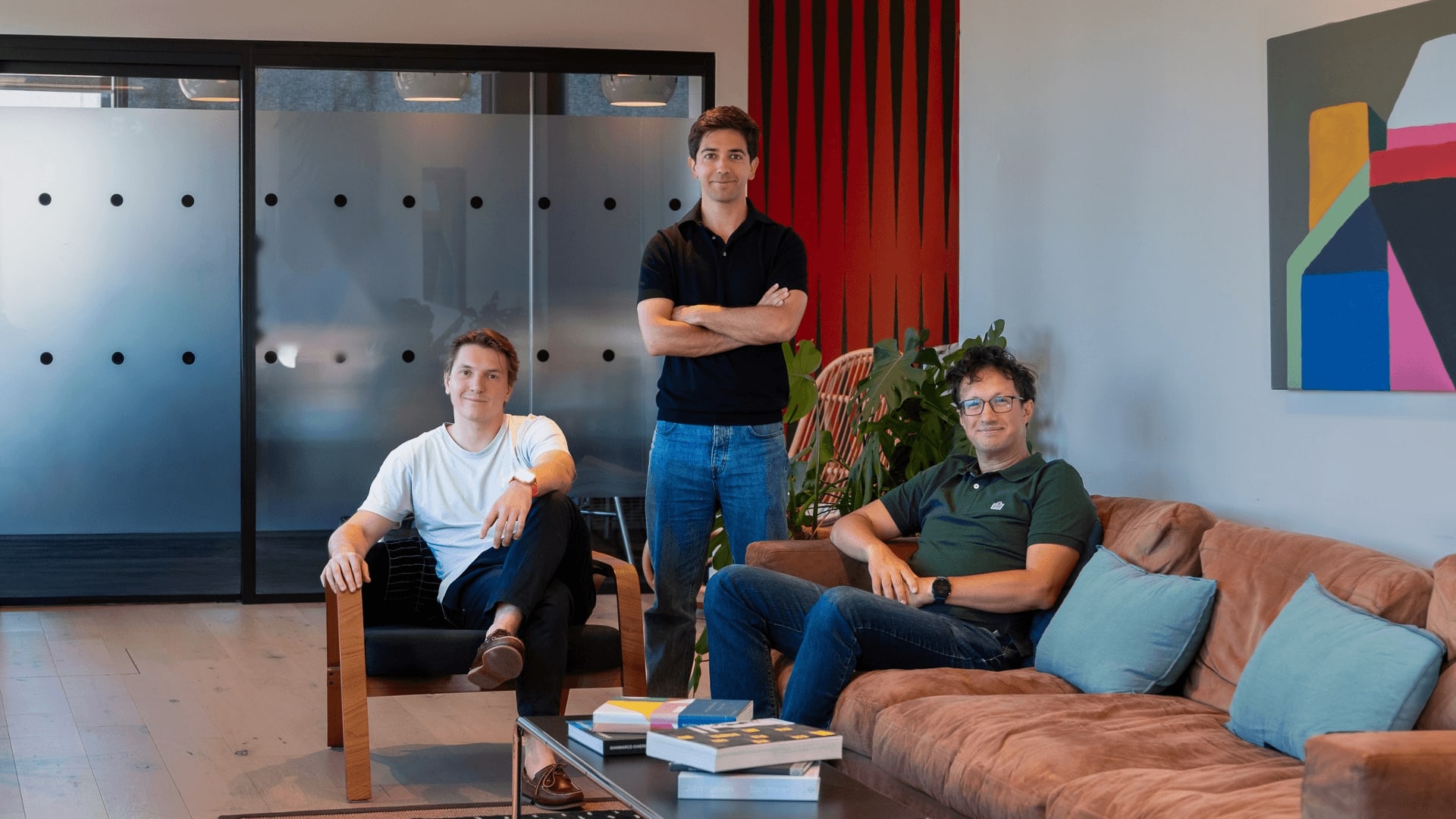
The company was founded in 2024 by Bekir Batuhan Çelebi, Mehmet Çalım, and Mustafa Fırtına, three founders who previously built games at Moon Active, including Zen Match, a puzzle title that reached tens of millions of downloads and demonstrated the commercial viability of the hybrid casual puzzle format they have now carried to Grand Games.
The Commercial Record That Justified $70 Million
Grand Games has built commercial traction in two years that most gaming studios take a decade to achieve. The metrics underlying the Series B are specific and independently verified:
- 5x year‑over‑year revenue growth, from an already significant revenue base, not from a standing start.
- 50 million total downloads across games being played in more than 200 countries.
- Magic Sort and Block Out recently ranked #1 and #2 on the US iOS most downloaded games chart simultaneously, a result that is exceptional by any standard in one of the world's most competitive app distribution environments.
- Six live games across five autonomous internal studios, with a pipeline of upcoming titles in development.
- 75 employees, entirely based in Istanbul, building both the commercial portfolio and the organizational model that underlies the studio's output.
The US iOS chart achievement is the commercially most significant data point. Apple's US App Store is the world's largest and most competitive digital gaming market. A Turkish studio placing its first and second titles at the top of the most‑downloaded chart simultaneously is not a statistical accident. It reflects a specific product development capability: building accessible games with the depth of engagement mechanics that drive high download velocity and sustained session frequency.
The Hybrid Casual Puzzle Thesis
Grand Games is not competing in the mainstream casual gaming market where titles like Candy Crush Saga and Royal Match have tens of hundreds of millions of monthly users and marketing budgets that dwarf most startups' total funding. The company has deliberately targeted a narrower, less contested segment: hybrid casual puzzle games that combine underserved mechanics with premium execution and in‑depth game design.
The hybrid casual format sits between hyperCasual games, which are extremely simple but have high download velocity and low retention, and mid‑core casual games, which have higher complexity and longer session times. Hybrid casual games are designed for short daily sessions but incorporate progression systems and game design depth that sustain engagement over months rather than days. The format has grown significantly in market share since 2022 as player behavior has shifted toward games that can be played in 5 to 10‑minute sessions without sacrificing the satisfying progression loop that keeps players returning.
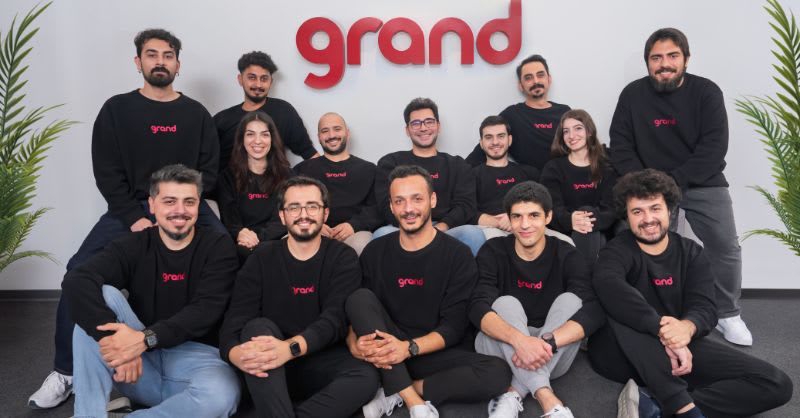
Grand's operating model has become one of its defining features. Instead of relying on a centralized structure, the company runs through five autonomous studios where teams independently manage development decisions. The ownership‑driven setup is intended to speed up production while giving creators greater control over their games. The entire 75‑person workforce remains based in Istanbul, reflecting the company's belief in Turkey's rapidly growing gaming talent ecosystem.
Çelebi's framing of the organizational philosophy is direct: "We started Grand to build the kind of company we believed could unlock the full potential of great talent. Turkey has produced some of the best mobile gaming talent in the world, and we wanted to create an environment where that talent has real ownership over decisions, product direction, and outcomes."
The multi‑studio model is not just a structural curiosity. It is a commercial thesis about how hit games get made consistently rather than accidentally. Görkem Türk of Laton Ventures described the company as building "a repeatable hit‑making platform," which captures the distinction between a studio that made one successful game and a studio with a systematic process for identifying, developing, and scaling titles in the same category.
Turkey's Gaming Moment and What Grand Games Represents
Grand Games exists within a broader context of Turkish mobile gaming success that has attracted significant institutional attention. Dream Games, the creator of Royal Match, is Turkey's most valuable gaming company at over $2.75 billion valuation and one of the top‑grossing mobile games globally. Peak Games, acquired by Zynga for $1.8 billion in 2020, was the company that first demonstrated to global investors that Istanbul could produce globally competitive mobile gaming studios.
Grand Games is the next generation of this lineage. Its founders came from Moon Active, a different major success story in mobile casual gaming, and brought the product intuitions and market knowledge they developed there into a new organizational model built around autonomous ownership. Balderton, which backed Dream Games and has maintained consistent conviction in Turkish gaming talent, is doubling down on that thesis through Grand Games.
Rana Yared, partner at Balderton Capital, described the investment decision with the directness that comes from a year of firsthand visibility: "We've been working closely with Grand over the past year, witnessing the team's execution, culture, and product differentiation firsthand. Having invested in the mobile gaming space for many years, we know what exceptional teams look like in this category, and Grand is unquestionably one. It was an easy decision for us to double down on our investment."
The $70 million will be deployed primarily on marketing to scale existing titles and support the pipeline of upcoming releases. In mobile gaming, marketing investment at this stage is a commercial decision rather than a development one: Grand Games' studios have already demonstrated they can build games that reach the top of charts. The growth challenge is now about user acquisition efficiency, and $70 million provides the budget to test, optimize, and scale the most effective channels globally.
Stay informed
Startup news in your inbox
Get important funding rounds, founder stories, and startup updates.
No spam - only important startup updates.
Comments
Text only. No links or images.
No comments yet.