Euan Blair's Multiverse Hit Its First Cash-Positive Quarter. Then It Raised $70 Million to Conquer Europe.
Editorial Team
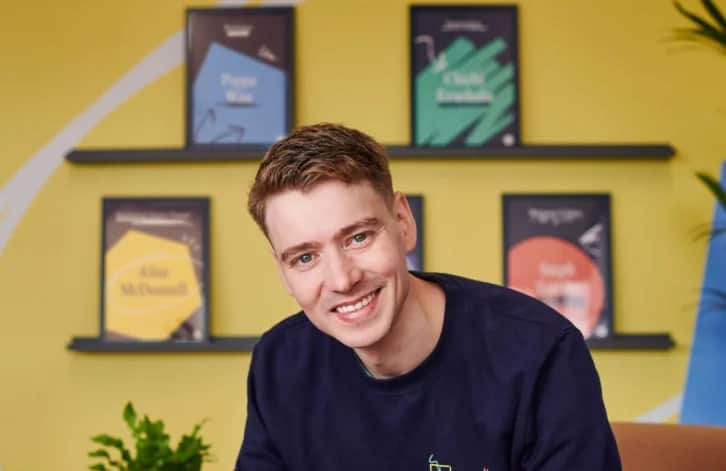
The announcement that Multiverse made alongside its $70 million funding raise on May 15, 2026 would have dominated the conversation even without the capital. For the first quarter of 2026, the months of January through March, the company generated more cash than it spent. After nearly a decade of building, acquiring, and scaling, Multiverse had its first cash‑positive quarter.
The timing is deliberate. Euan Blair, who co‑founded Multiverse with Sophie Adelman in 2016 under the name WhiteHat before rebranding, has consistently described the company's mission in terms of what happens when AI reaches enterprises and the workforce is not ready to use it. The company that bridges that gap is, in Blair's framing, one of the most valuable commercial positions available in 2026.
The round was led by new investor Schroders Capital, the private markets arm of Schroders, a firm that manages approximately £800 billion in assets globally and that views workforce AI adoption as a structural investment theme rather than a speculative one. Existing investors General Catalyst, Lightspeed Venture Partners, D1 Capital Partners, Index Ventures, Bond, and StepStone Group all participated. The $70 million brings Multiverse's total funding to approximately $570 million since founding. The new valuation of $2.1 billion is $400 million above the $1.7 billion valuation from its 2022 Series D, achieved not through speculative re‑rating but through documented revenue growth.
Revenue grew 50 percent year‑on‑year, and did so for the third consecutive year, meaning the growth rate itself has been accelerating. All employees, regardless of seniority, are being offered equity in connection with the raise, reflecting Blair's stated philosophy that company‑building is a collective enterprise.
The Market Thesis Behind the European Pivot
Multiverse's product has always focused on the gap between enterprise intention and workforce reality. The company identifies skill gaps across an organization's workforce, maps those gaps against company objectives, and designs structured learning programmes in AI, data, and digital capabilities. Its AI coaching platform, Atlas, adjusts content to individual learners and tracks progress in ways that aggregate classroom training cannot.
The market data supporting this expansion is specific. According to BCG's 2026 AI Radar, which Multiverse cites extensively in its investor materials, corporate AI spend has doubled since 2025. Companies that BCG categorizes as "trailblazer" adopters, those generating measurable returns from AI investments, invest approximately twice as much in workforce upskilling as companies that follow rather than lead on AI adoption. CEOs surveyed by Multiverse named skills gaps as the second‑largest barrier to effective AI adoption, ranking it behind only regulation and ahead of data quality.
The commercial results from Multiverse's existing deployments validate the thesis at scale. The company has generated more than £2 billion in verified return on investment for more than 1,000 employers. Named clients include Babcock International, The AA, Capita, Addison Lee, Just Eat, and Debenhams Group, spanning defense, automotive services, professional services, logistics, food delivery, and retail. This cross‑sector breadth reflects the universality of the AI skills gap: the specific technologies and workflows differ by industry, but the underlying challenge of preparing a workforce to use AI effectively is common.
The Germany Bet and What StackFuel Represents
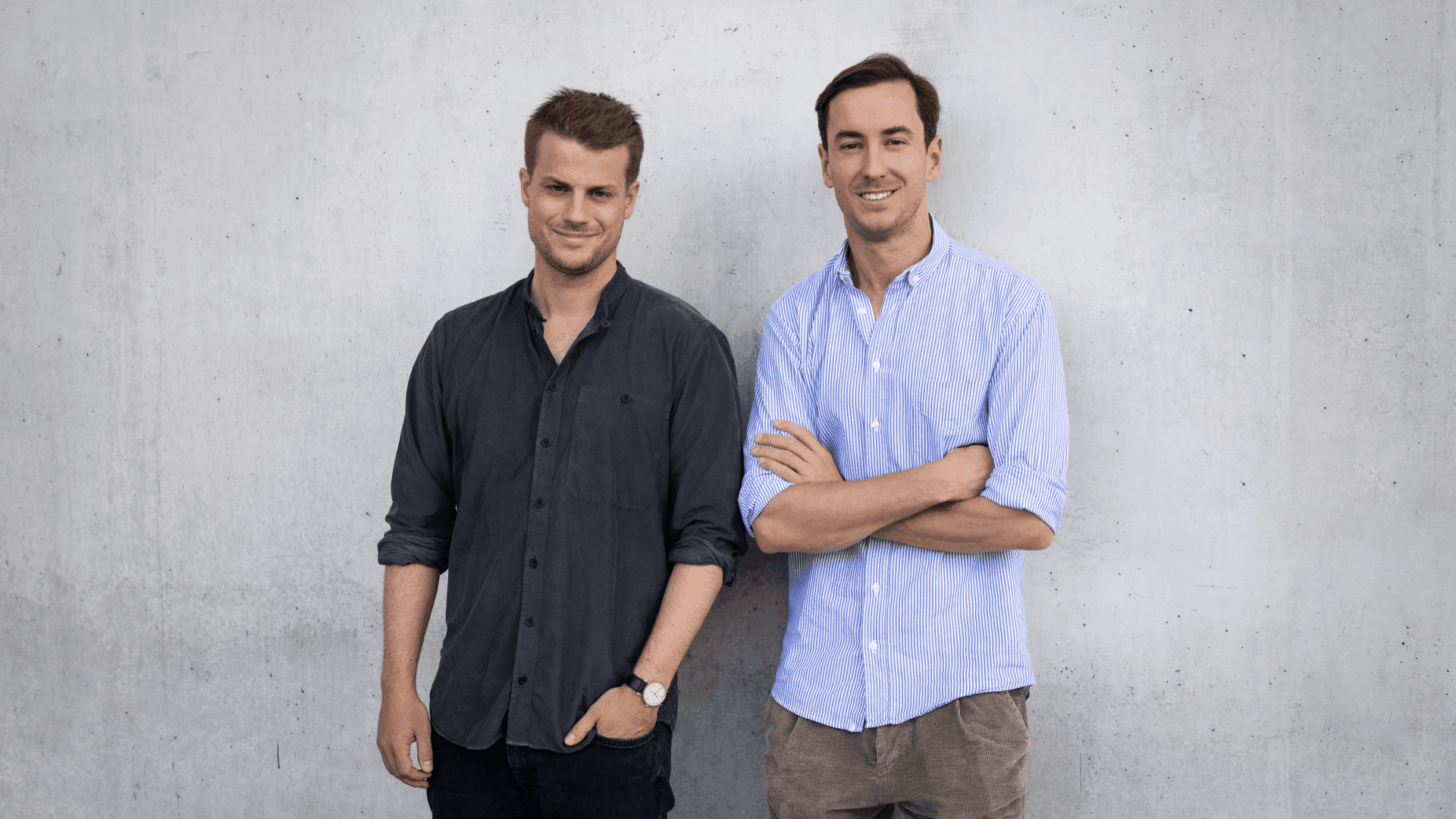
The German market entry, enabled by Multiverse's acquisition of Berlin‑based StackFuel in January 2026, is the most commercially significant component of the European expansion strategy.
Germany is the largest economy in Europe and the one with the most to gain from productive AI adoption. German manufacturing and industrial sectors have historically been strong employers of highly skilled workers who are now facing the same AI transition pressure as their counterparts elsewhere. The skills gap in AI‑enabled industrial work, data engineering, and digital operations is acute and documented. StackFuel's existing German client relationships and its team's expertise in AI and data training for the German market give Multiverse a local foundation that building from scratch would have taken years.
Blair's framing of Multiverse's market position captures why the company believes this moment is the right one for European expansion: "There are companies who desperately need the benefits AI can bring. There are AI companies. What has been missing is the layer that bridges the two. This investment marks the moment Multiverse defines that category, and takes it across Europe. Getting outcomes from AI and unlocking productivity is not just a technology problem. It is a people problem. We exist to solve it."
UK Chancellor Rachel Reeves responded to the announcement with political endorsement: "Multiverse is a fantastic example of a British company helping turn that ambition into reality. This investment will support its expansion across Europe, strengthening a UK firm that is competing globally and equipping people with the skills to make AI work in practice."
More at multiverse.io
Stay informed
Startup news in your inbox
Get important funding rounds, founder stories, and startup updates.
No spam - only important startup updates.