Fazeshift Raises $17 Million to Make Accounts Receivable Run Itself
Editorial Team
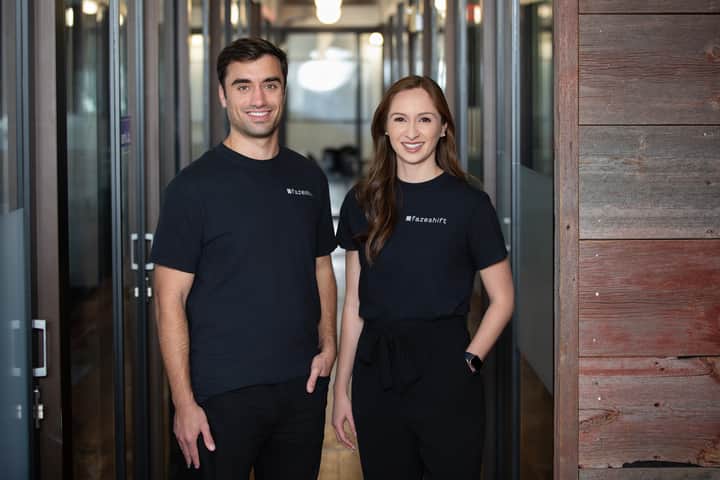
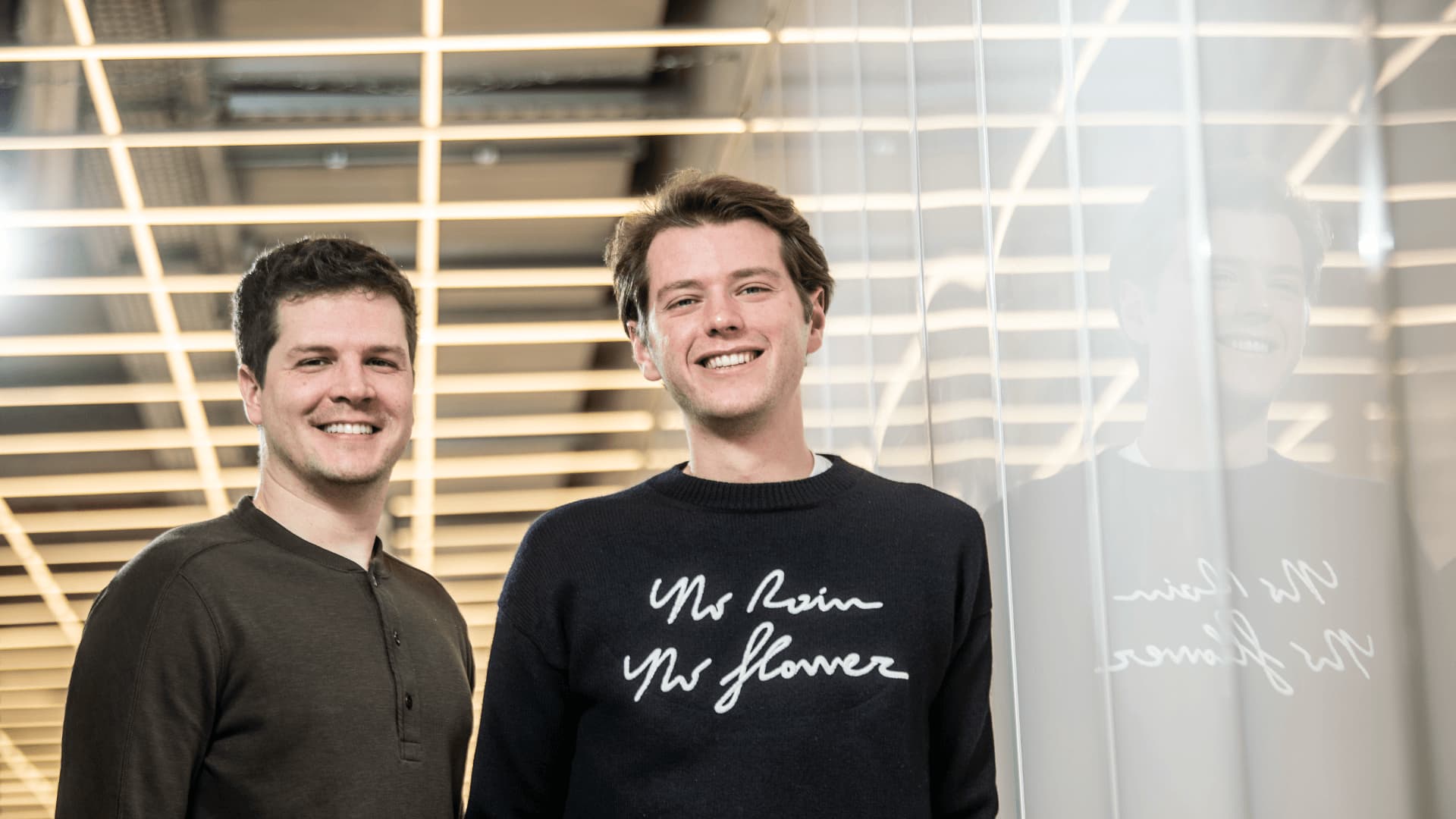
Caitlin Leksana built a startup before Fazeshift. It was called Carma, a B2B marketing software company. The company had ten customers. And to track whether those ten customers had paid their invoices, Leksana and her co‑founder Timmy Galvin were color‑coding spreadsheets by hand. Red meant overdue. Yellow meant pending. Green meant paid. Ten customers. Color‑coded manually.
The experience revealed something that neither of their combined educational backgrounds, Leksana's MBA from Harvard Business School after years as a BCG consultant, and Galvin's two MIT computer science degrees, MBA from Harvard, seven years as a nuclear submarine officer in the US Navy, and a patent in data algorithms, had prepared them for. Accounts receivable is genuinely broken. Not at ten customers. At a hundred. At a thousand. At the scale that unicorn companies operate. The tools that exist have not solved it. The process is still overwhelmingly manual.
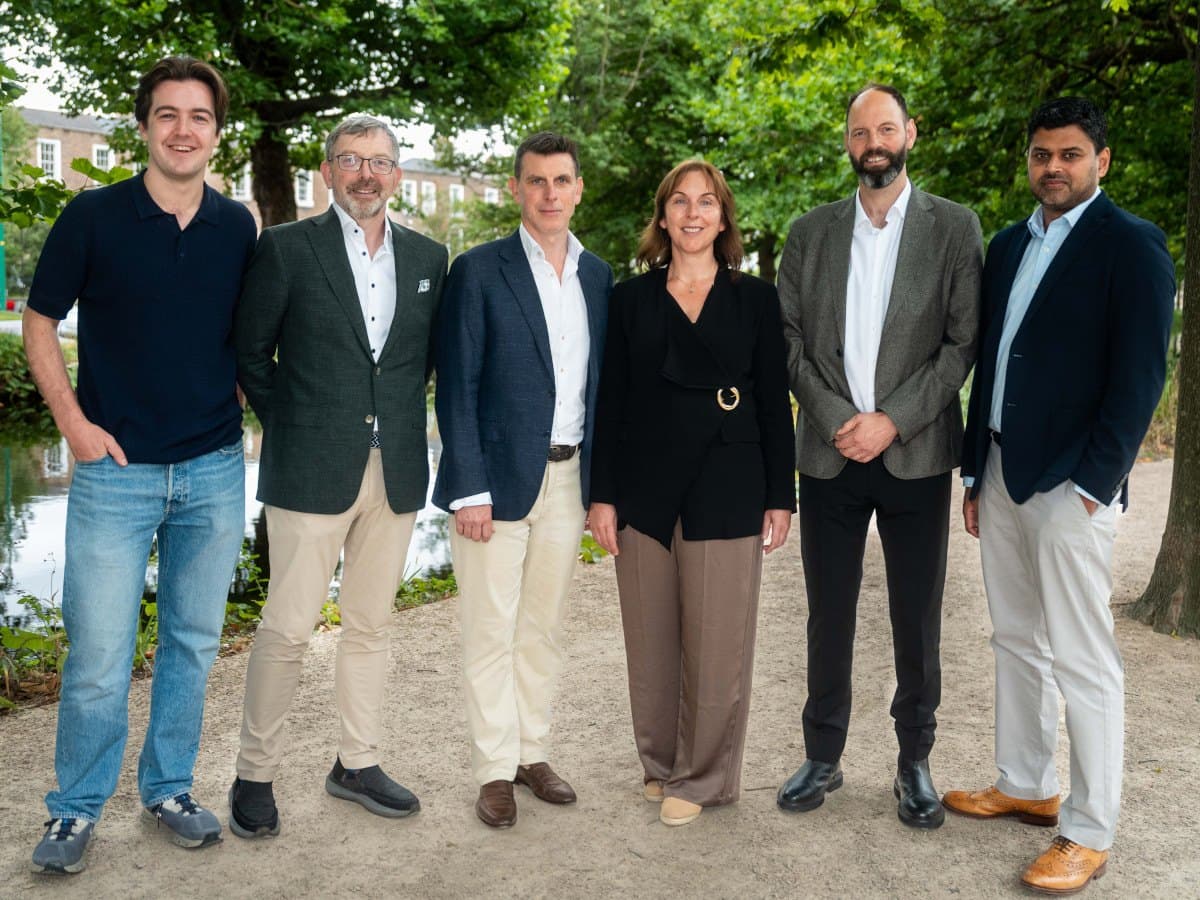
Fazeshift was the platform they decided to build instead of the one they wished had existed. On May 7, 2026, the company announced a $17 million Series A funding round, led by F‑Prime Capital with participation from Gradient Ventures, which is Google's early‑stage AI fund, Y Combinator, Wayfinder, Pioneer Fund, and Ritual Capital. Total funding since the company's 2023 inception now stands at $22 million.
The Snowflake Problem That Software Has Never Solved
Most corporate finance functions have been significantly automated over the past two decades. Accounts payable, the management of a company's outgoing payments to suppliers, has been dramatically improved by tools from Coupa, SAP Ariba, and others. Expense management, payroll processing, and financial planning all have mature software categories with high penetration.
Accounts receivable remains the exception. Leksana has a specific explanation for why. Unlike accounts payable, which a company can standardize because it controls its own internal processes, AR is a snowflake problem. Every customer is different.
A large retailer might demand that an invoice be submitted through a proprietary vendor portal, with specific attachment formats, specific naming conventions, and specific approval workflows before it will process payment. A SaaS company with consumption‑based billing might require invoices to be dynamically generated from usage data that lives in a completely different system. A wholesale distributor might pay 150 invoices simultaneously with a single check that maps to a payment schedule determined six months earlier. Each of these scenarios requires different workflow logic, different integration points, and different exception‑handling capabilities.
The first wave of AR software, the rule‑based automation platforms that major enterprise software vendors built in the 2010s, tried to solve this problem with rigid workflow rules. If the customer fits a known pattern, automate it. If it does not fit a known pattern, route it to a human. Because AR is so heterogeneous, the result was that most tasks still required human intervention. The software organized the workflow. It did not execute it.
Fazeshift's approach is different at the architectural level. Rather than defining rules for known patterns, it builds what Leksana calls an intelligent control layer that operates on top of a company's existing ERP, CRM, email, and payment systems simultaneously. The platform understands context across all of these systems in real time, including the history of interactions with a specific customer, the terms of the underlying contract, the status of related invoices, and the customer's typical payment behavior, and uses that context to execute the appropriate workflow automatically rather than waiting for a rule to match.
The capabilities this enables in production are specific and documented:
- Automated invoice generation from contract terms, with dynamic reconciliation against actual usage data for consumption‑billed customers.
- Collections outreach that adapts communication tone, timing, and channel based on customer payment history and outstanding balance.
- Payment matching across complex scenarios including parent‑child company structures where a parent entity pays on behalf of subsidiaries.
- Automated portal submissions for customers with proprietary invoice portals, including document assembly and multi‑step portal navigation.
- Real‑time system updates across all integrated platforms when payments are received or invoices are modified.
The numbers from current deployments are the most credible argument for the platform's effectiveness. Fazeshift processed over 9,000 customer communications in a single day for one enterprise customer. For another, it helped collect $7.4 million in cash within weeks of initial deployment. The platform claims to automate more than 90 percent of manual AR tasks across its client base.
Who Is Paying for This and How Fast It Is Growing
Fazeshift grew its revenue twelvefold in the past year. It currently serves dozens of enterprise customers, including eight companies valued at $1 billion or more. Named customers include Sigma Computing, the analytics platform; Snyk, the developer security company; Meter, the networking infrastructure company; and Clipboard Health, the healthcare staffing marketplace. The unnamed customers include one of the largest independent wholesale distributors in the Southeast United States, the world's top e‑commerce aggregator, and a global leader in music publishing.
The commercial profile of these customers is notable. Wholesale distributors, e‑commerce aggregators, and music publishers are not technology‑native companies with AI‑optimized internal processes. They are traditional businesses with the exact legacy AR workflows, high invoice volumes, diverse customer payment behaviors, and fragmented system stacks, that Fazeshift was specifically designed for.
Rocio Wu, partner at F‑Prime and the lead investor on the round, described the market gap with a number that might surprise technology investors: "You'd be surprised how many Fortune 500 companies only started adopting software a few years ago and still have dozens, if not hundreds, of AR clerks on staff." The gap between how critical the function is and how broken the workflows remain is exactly the kind of opportunity she was looking for.
The Broader Vision That Justifies a Series A Now
Leksana has been direct about where Fazeshift is going beyond accounts receivable. The long‑term vision is to become the primary operating system for the entire finance organization, expanding from AR into a broader CFO suite that covers every function where operational finance work currently requires large teams of analysts executing repetitive, rule‑governed workflows.
The $17 million funds three specific near‑term investments: deepening the product capabilities within accounts receivable, accelerating the go‑to‑market infrastructure to serve larger enterprise customers, and scaling adoption among the traditional industries, including staffing, wholesale, construction, and services, where AR automation penetration is lowest and the opportunity is largest.
The phrase that Leksana used in the official announcement captures the commercial transformation Fazeshift is attempting: helping teams transition to an AI‑native way of working. For finance teams that have watched every adjacent function modernize over the past decade while their own core workflow remained anchored to spreadsheets, emails, and portal logins, that transition is overdue.
More at fazeshift.com
Stay informed
Startup news in your inbox
Get important funding rounds, founder stories, and startup updates.
No spam - only important startup updates.