Simile Raises $200M Series B To Build AI Models That Simulate Human Behavior

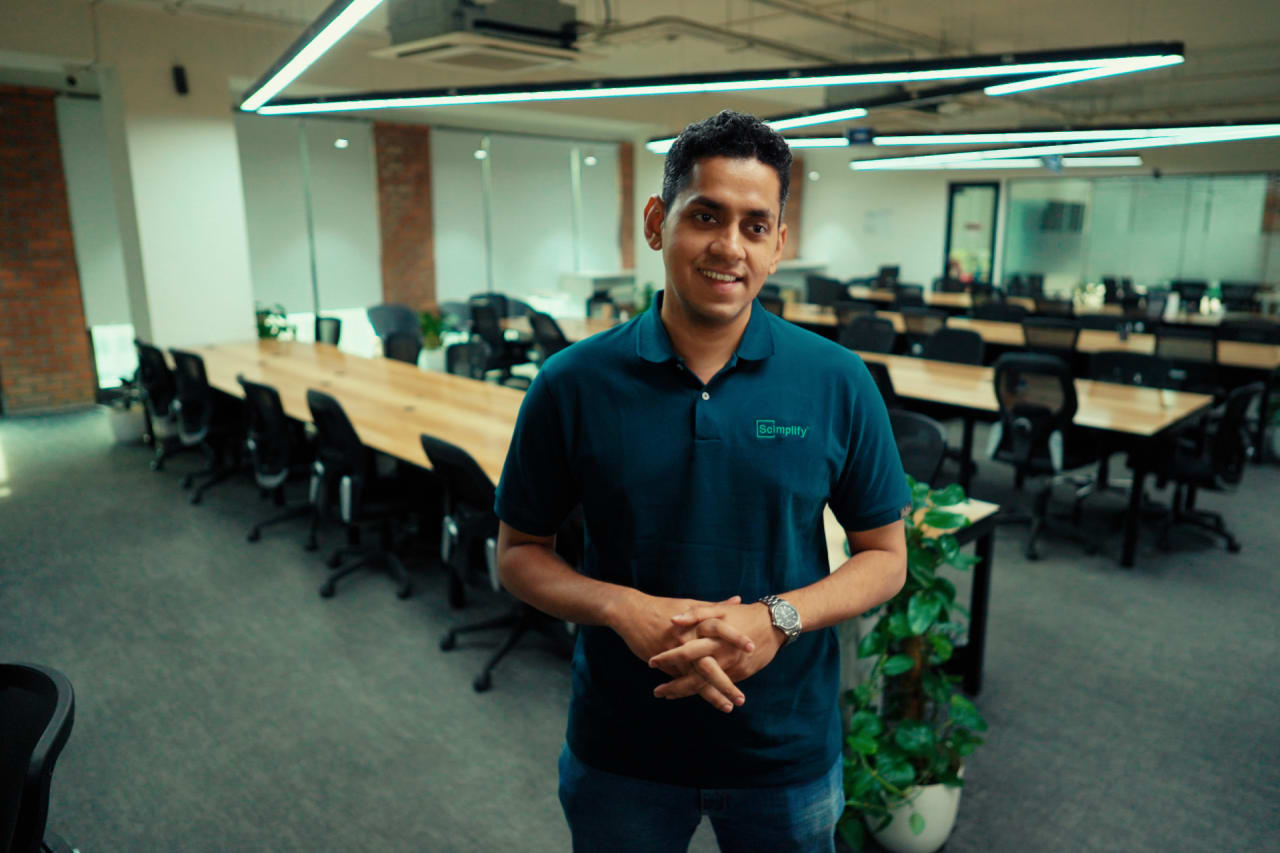
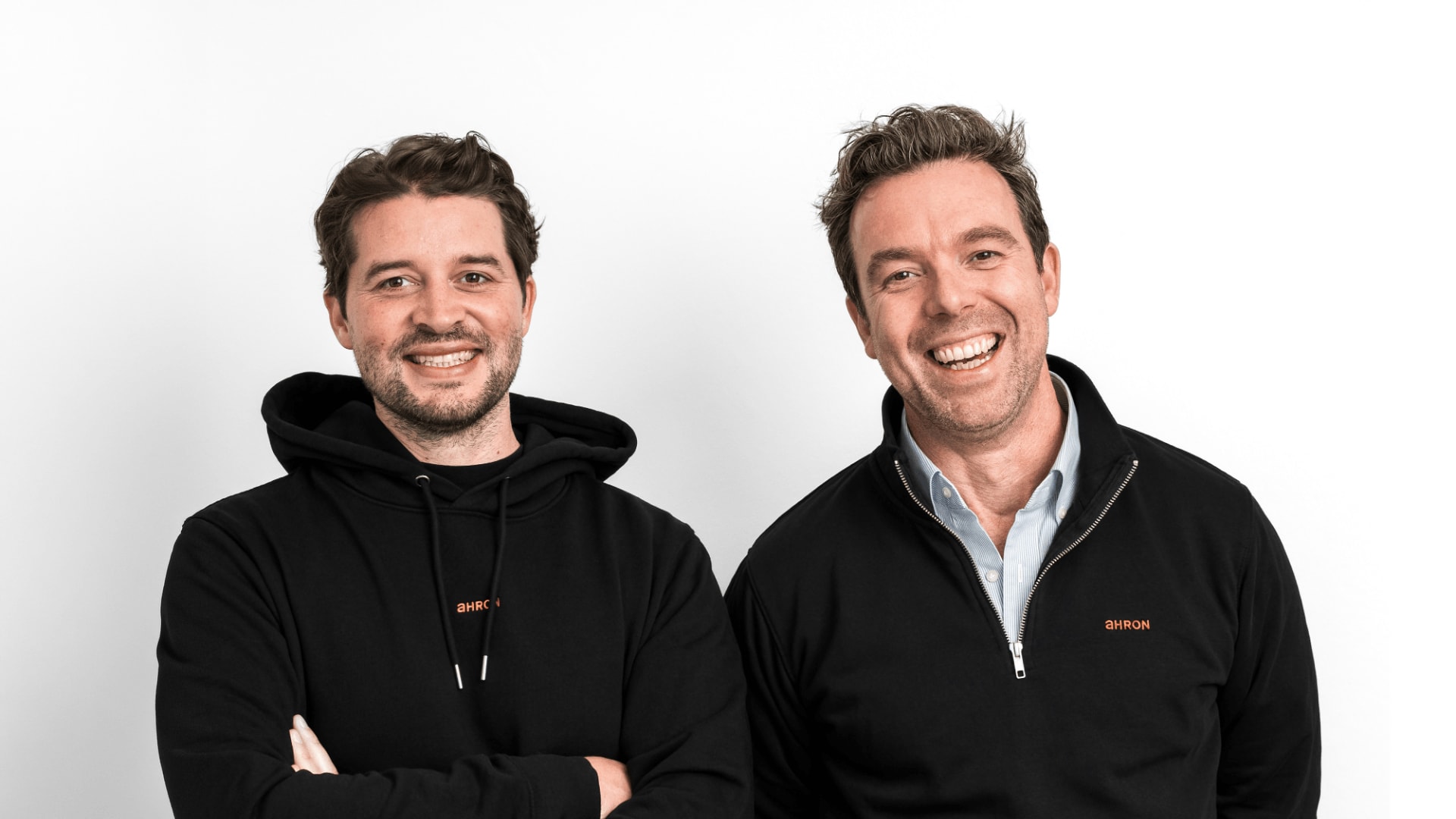
Simile founder Joon Sung Park
Image credit: Simile
Simile, a startup building AI foundation models designed to simulate human behavior, has raised 200 million dollars in Series B funding at a 2 billion dollar valuation, just five months after closing a 100 million dollar Series A that first introduced the company publicly.
The new round was led by Greenoaks, the San Francisco based long term growth investor whose portfolio includes Stripe, Figma, Nubank, and Brex. Index Ventures, which led Simile's Series A, increased its stake in the new round, while returning backers Hanabi, Bain Capital Ventures, A*, Factory, and CVS Health Ventures all participated again. Definition joined as a new investor. The raise brings Simile's disclosed funding to more than 300 million dollars in total.
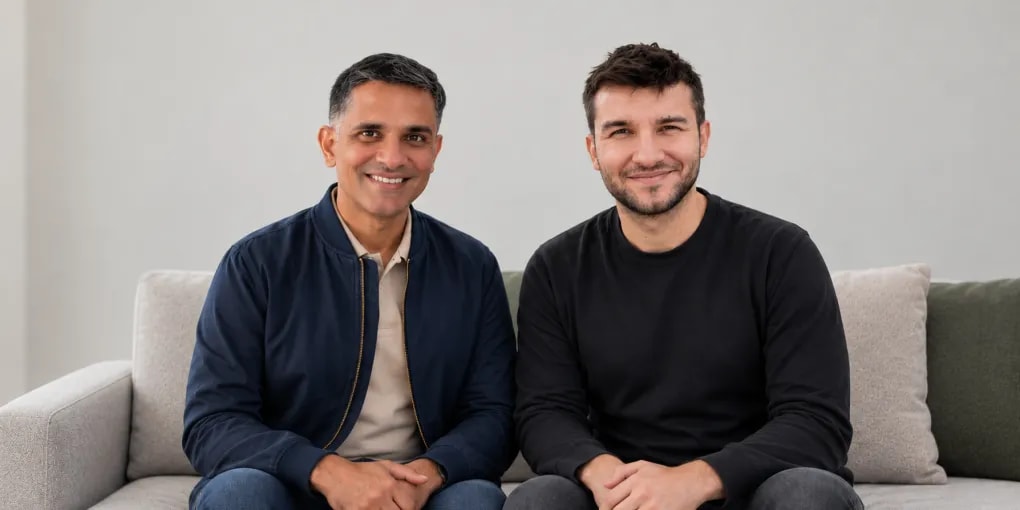
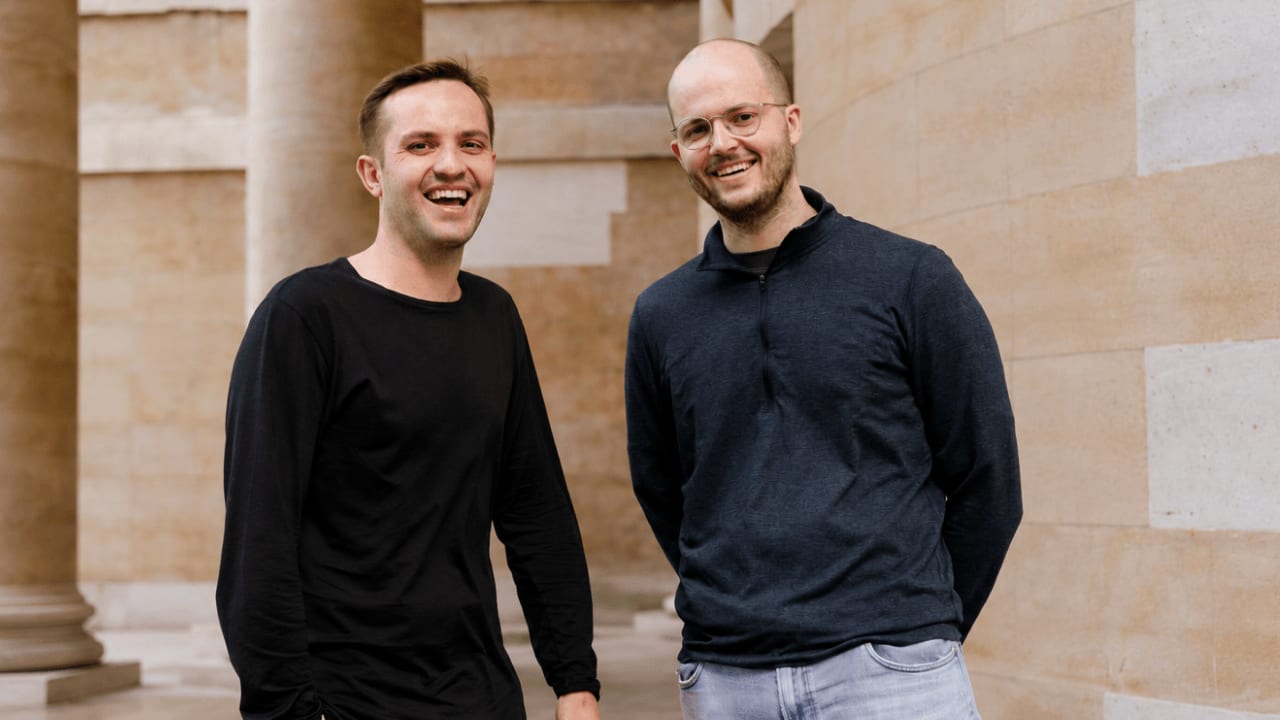
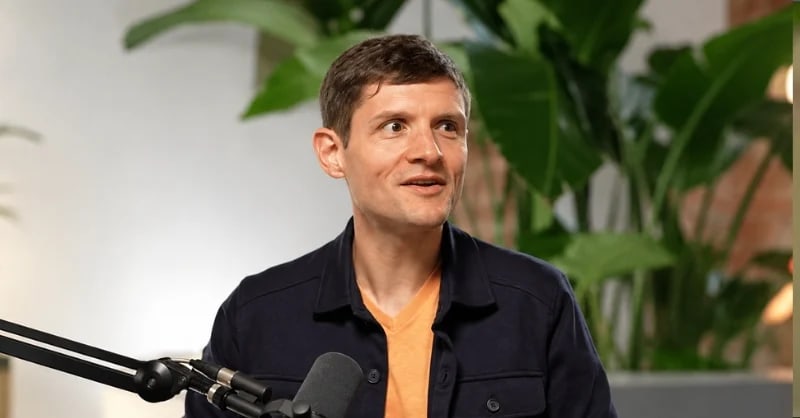
The Palo Alto based company was founded by Stanford PhD graduate Joon Sung Park alongside Stanford human computer interaction professor Michael Bernstein, Percy Liang, director of Stanford's Center for Research on Foundation Models, and Lainie Yallen. All four co‑founders worked together at Stanford before spinning the company out.
Simile's technology traces back directly to Park's academic research. As lead author of the 2023 paper "Generative Agents: Interactive Simulacra of Human Behavior," Park introduced a simulated town nicknamed Smallville, populated by 25 AI agents that used a memory stream combined with retrieval, reflection, and planning mechanisms to maintain context and decide their next actions. The agents in that experiment formed relationships, developed daily routines, and coordinated group activities, including one agent that organized a Valentine's Day party, without any of those interactions being explicitly scripted. That research helped establish many of the architectural foundations now used across multi‑agent AI simulations more broadly.
Simile's commercial product extends that research into a tool enterprises can use for market research and product testing. Rather than running traditional focus groups or surveys, companies use Simile's simulated users, sometimes described as agentic twins, to test how a new product might land or how a marketing campaign might perform before committing resources to a real world rollout. The company says its models have reached between 85 and 99 percent accuracy on certain benchmarks, including strong performance on the General Social Survey, with a confidence model built to flag how reliable any individual simulation result is likely to be.
Clients already using the platform include CVS Health, Deloitte, Wealthfront, and Gallup. CVS Health, which is also an investor in the company, reportedly used a simulation involving 400,000 agentic twins to work out strategies for improving how patients adhere to prescribed medication, an example of the kind of large scale behavioral question the company argues is difficult and expensive to study through traditional research methods.
Since going public with its Series A five months ago, Simile says it has grown revenue fivefold, expanded its team past 50 employees, and run tens of millions of simulations for Fortune 100 companies. The company plans to use its new capital to continue training its core human behavior foundation models, expand the compute infrastructure underlying its simulation layer, and scale commercial engineering efforts across healthcare, financial services, consumer products, and media markets.
Park has framed the company's ambition in sweeping terms, describing Simile's mission as simulating all eight billion people on earth accurately and honestly. Stanford colleague and co‑founder Percy Liang has compared the current state of the field to the earliest days of AI assistants, suggesting that simulation research today shows clear signs of life and a credible path to scaling, even as significant open research questions remain about reliability and generalization across different domains and use cases.
That ambition has also drawn scrutiny. Critics have pointed out that the entire premise of traditional market research exists because human behavior is difficult to predict, shaped as it is by both emotion and reasoning in ways that may resist full simulation no matter how sophisticated the underlying model becomes. Cross domain validation and regulatory considerations, including frameworks like the EU AI Act and California's privacy rules, remain open challenges as Simile pushes into more heavily regulated sectors such as healthcare and financial services.
Simile is not alone in pursuing this category. Rival startup Aaru has also drawn investor attention, previously raising a Series A at close to a 1 billion dollar valuation for a similar approach to simulating human decision making. The broader competitive set includes companies like Glean, valued at 4.6 billion dollars for enterprise knowledge search, and Harvey, valued at 11 billion dollars for legal workflow automation, both of which focus on helping organizations produce answers or content faster. Simile's bet is that knowing in advance whether that content or decision will actually work is the larger and more defensible opportunity, a wager that will be tested as the company expands its footprint across new industries over the coming year.
Topics
Stay informed
Startup news in your inbox
Get important funding rounds, founder stories, and startup updates.
No spam - only important startup updates.
Comments
Text only. No links or images.
No comments yet.