Stability AI Raises $76M From Universal, Sony, and Warner Music to Expand Creative AI Tools
Editorial Team

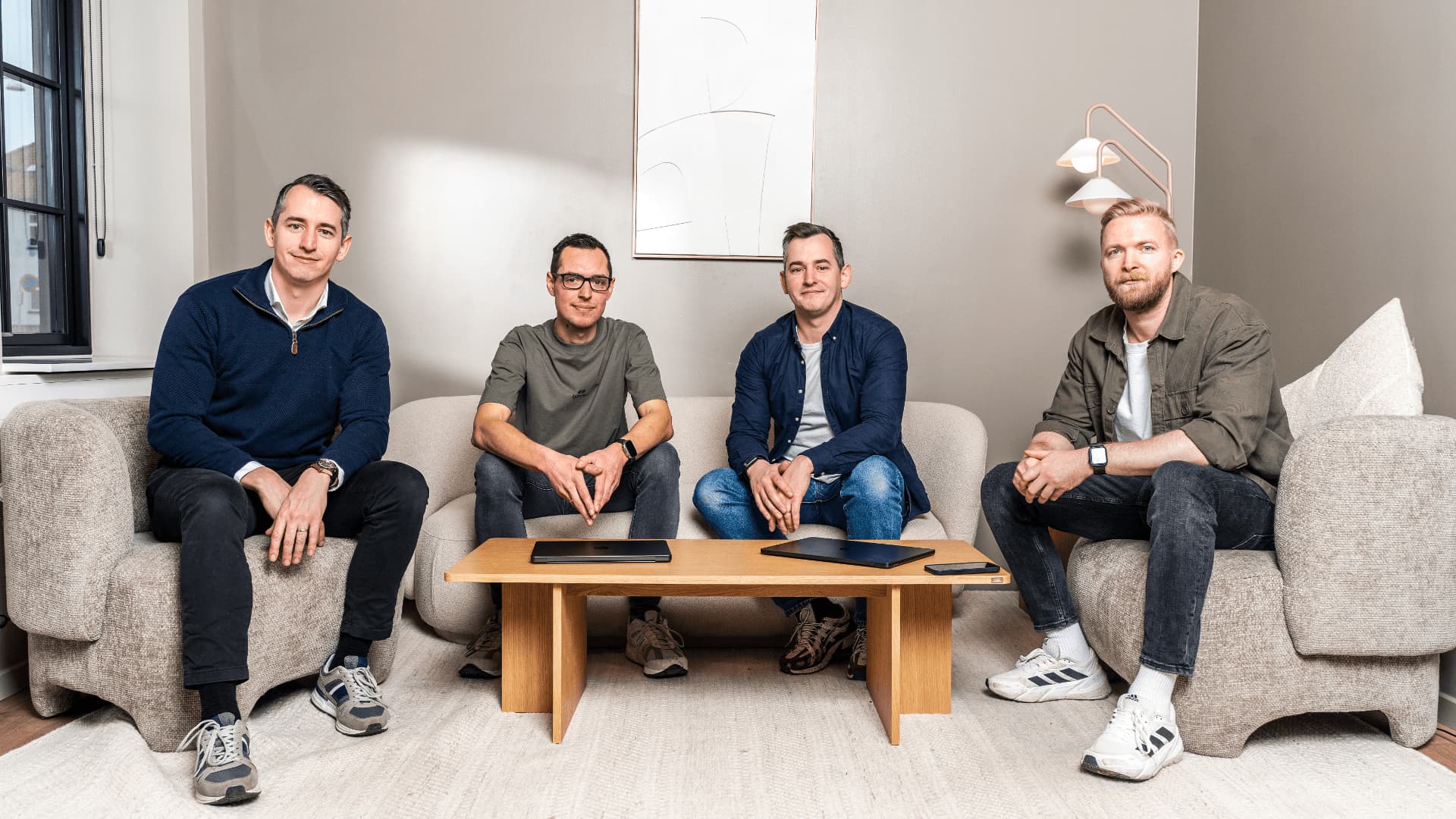
Stability AI CEO Prem Akkaraju and team
Image credit: Stability A
Stability AI has raised 76 million dollars in a Series B funding round backed by an unusual roster of investors for an AI company: the world's three largest record labels. Universal Music Group, Sony Music Group, and Warner Music Group all joined the round, alongside gaming giant Electronic Arts and investment firms AMD Ventures and Pacific Alliance Ventures. Returning investors Coatue, Greycroft, Kadmos Capital, Sean Parker, and Eric Schmidt also participated for a second consecutive round.
The new capital brings Stability AI's total funding to 232 million dollars, inclusive of two equity rounds and convertible notes, all raised under chief executive Prem Akkaraju since he joined the company in June 2024. Akkaraju, the former chief executive of visual effects studio Weta Digital, has overseen a period of rapid repositioning for Stability AI, moving the company from its early reputation as the maker of the open‑source image generator Stable Diffusion toward describing itself today as the leader in purpose‑built AI products for professional creatives across music, gaming, and entertainment.
The presence of Universal, Sony, and Warner as direct equity investors did not emerge in isolation. Stability had already struck strategic partnerships with Universal Music and Electronic Arts in October and with Warner Music in November, agreements that gave each company a hand in co‑developing Stability's AI tools using their own catalogues and intellectual property, rather than simply licensing finished output after the fact. This funding round formalizes that closer relationship into direct ownership stakes, giving the labels a financial interest in Stability's success alongside their operational involvement in shaping its products.
That shift matters because it marks a notable departure from how the AI and music industries have generally interacted over the past several years. Much of that relationship has been defined by lawsuits and licensing disputes, as record labels and rights holders pushed back against AI companies training models on copyrighted material without permission or compensation. Stability's approach with Stable Audio 3.0, its most recent audio model, was built specifically around licensed training data rather than the unlicensed scraping that has drawn legal scrutiny elsewhere in the industry, an approach the company has positioned as central to winning the direct participation of major rights holders rather than merely their reluctant tolerance.
Akkaraju framed the round around that same alignment between technology and creative industry buy‑in. "This unmatched group of investors is an affirmation of our vision where generative AI empowers every producer, musician and storyteller," he said. "Stability is unique in the AI field because we are creative people making tools for creatives." Coatue co‑founder Thomas Laffont, who joined Stability's board as part of the round, echoed that positioning directly. "While others are building generalized AI, Stability AI is building creative tools and doing it alongside the artists, studios, and rights holders whose work defines the field," Laffont said. "I'm glad to be joining Prem and the team."
Stability's board now includes an unusually high‑profile mix of entertainment and technology figures, among them Academy Award‑winning filmmaker James Cameron, Facebook's former president and entrepreneur Sean Parker, Greycroft co‑founder and managing partner Dana Settle, and Akkaraju himself. That board composition, paired with its new roster of strategic investors, reflects a company that has deliberately built its cap table around the entertainment industry relationships it depends on for both licensed training data and commercial distribution, rather than following the more typical AI startup path of raising primarily from pure technology and infrastructure investors.
With the new capital, Stability plans to continue building out its creative production product suite, deepen its applied research discipline, and expand its professional services arm, the part of the business working directly with studios and rights holders to embed its tools into existing production pipelines rather than selling standalone software. Stable Audio 3.0 is already available to artists both through a digital audio workstation plugin and directly on StableAudio.com, giving musicians a route to incorporate the model into existing workflows rather than adopting an entirely separate tool.
The company has also had a broadly favorable run through the legal disputes that have shadowed much of the generative AI industry, having largely prevailed in a UK copyright lawsuit brought by Getty Images over the use of its images to train Stable Diffusion, though a similar case brought by Getty in the United States remains ongoing. That legal track record, combined with its licensed‑data approach to newer models like Stable Audio 3.0, appears to have been a meaningful factor in convincing major rights holders that direct investment, rather than adversarial litigation, was the better way to shape how their catalogues get used in AI‑generated content going forward. Whether that alignment holds as Stability's tools scale to a much larger base of musicians, studios, and game developers will be the clearer test of whether this funding round represents a durable model for AI and entertainment industry cooperation, or simply an early, favorable arrangement between one company and a small group of willing partners.
Topics
Stay informed
Startup news in your inbox
Get important funding rounds, founder stories, and startup updates.
No spam - only important startup updates.