Swish Raises $38 Million in Series B, Third Funding Round in 18 Months
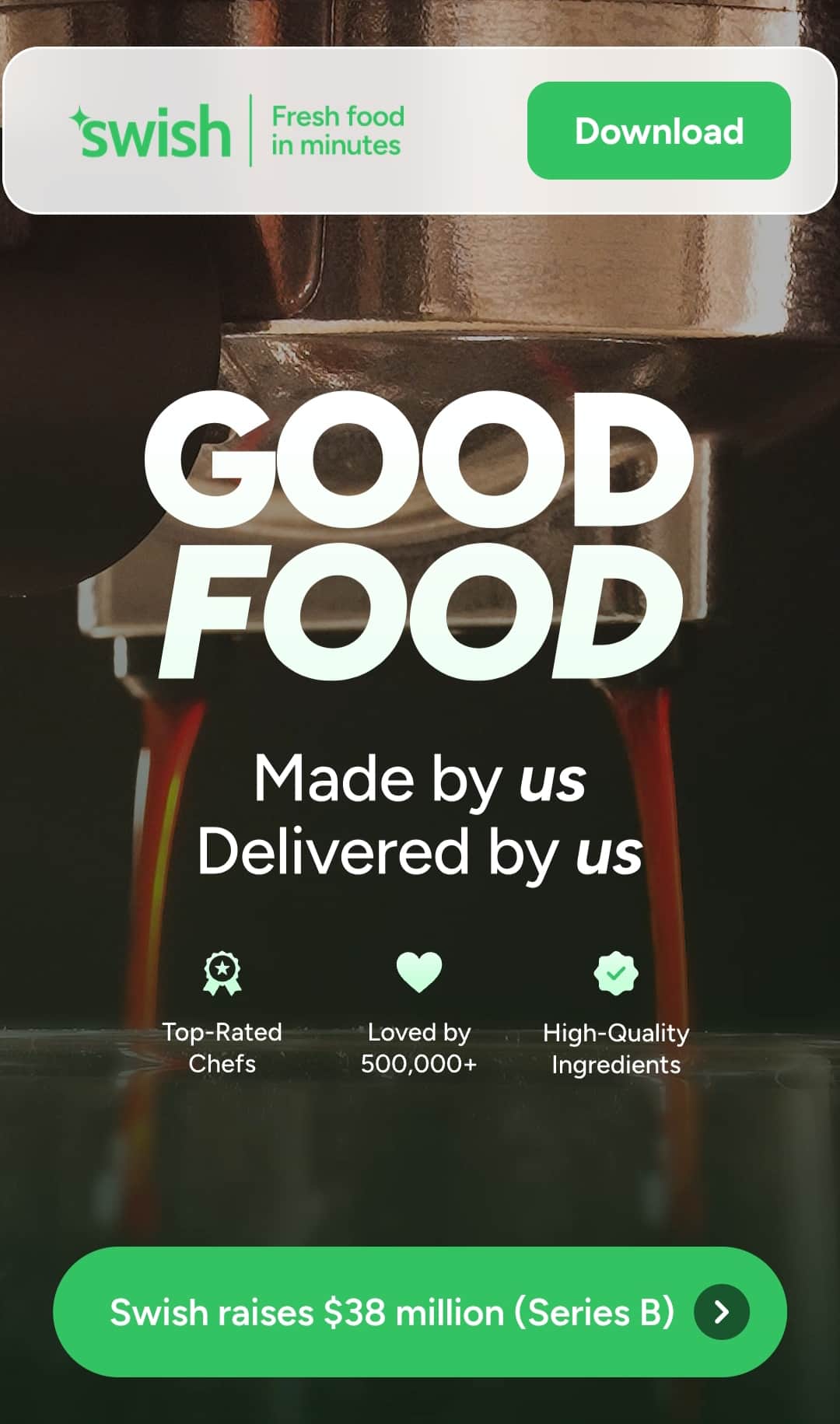
Bengaluru‑based startup Swish has raised $38 million in a Series B round, marking its third funding round in just 18 months since inception. With this raise, the company’s total funding reaches $54 million, and its valuation jumps to $139 million post‑money, more than doubling in just a year.
The round was co‑led by Hara Global and Bain Capital Ventures, with continued participation from Accel. Venture debt was also secured from Stride Ventures and Alteria Capital.
A Fundraising Sprint Few Can Match
Swish’s growth story is reflected in its unusually rapid funding timeline:
- October 2024 (Seed): $2M led by Accel
- March 2025 (Series A): $14M at ~$60M valuation
- March 2026 (Series B): $38M at $139M valuation
In just 18 months, the company has scaled its valuation 2.4x since Series A, a trajectory that continues to attract investor confidence.
What Makes Swish Different?
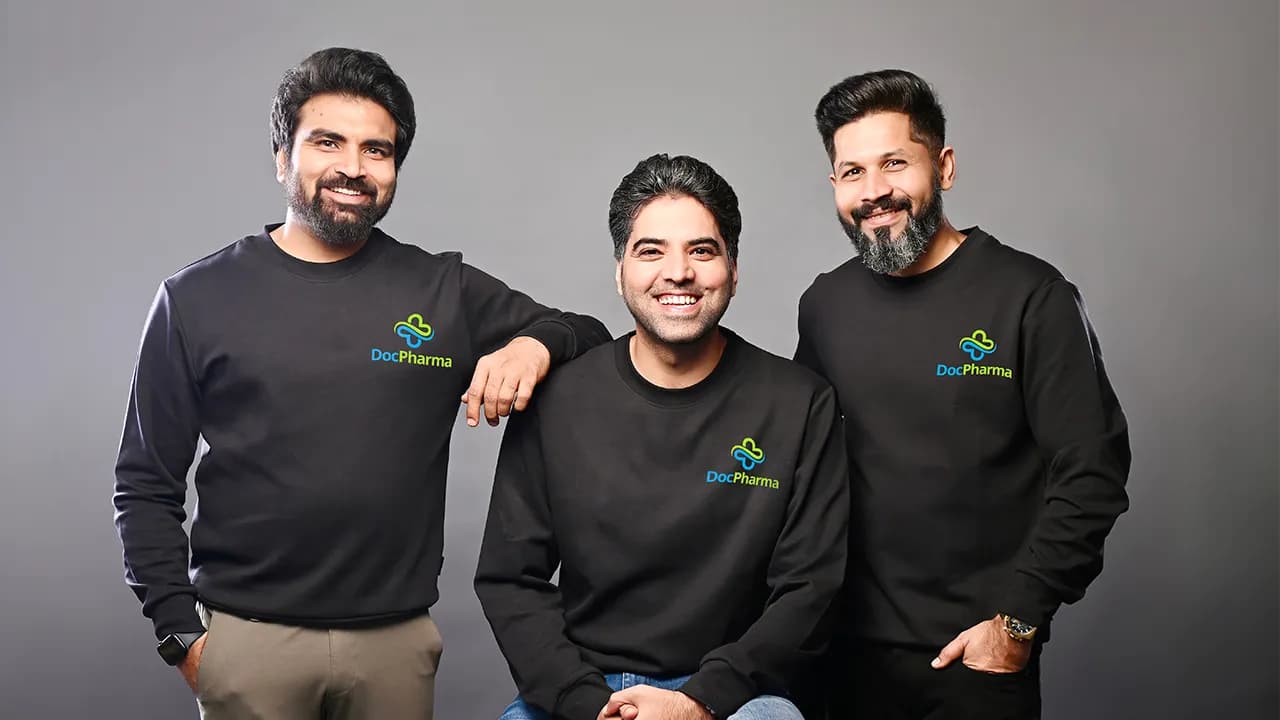
Founded in 2024 by Aniket Shah, Ujjwal Sukheja, and Saran S, Swish is not a typical food delivery platform.
Instead of aggregating restaurants like Swiggy or Zomato, Swish operates a fully vertically integrated model:
- Own cloud kitchens (“Delight Centres”) within a 1 km radius
- In‑house supply chain and ingredient sourcing
- Proprietary delivery fleet with no third‑party gig workers
This full‑stack approach enables Swish to consistently deliver food in under 10 minutes.
As CEO Aniket Shah describes it:
“Swish acts like a kitchen that brings food straight to your table, without middlemen.”
Growth That Signals Habit Formation
Swish’s recent growth metrics show strong user traction:
- Daily orders: 5,000 to 20,000 in four months
- Presence: 10 micro‑markets in Bengaluru
- Menu size: 200+ items
- Average order value: ₹200 to ₹250
- High‑frequency users: 10+ orders per month
The most important signal here is repeat usage. High order frequency indicates that Swish is becoming a habit‑driven service, not just an occasional convenience.
Where the $38M Will Be Used
Swish plans to deploy the new capital across four primary areas:
Bengaluru Expansion
- Increase density through additional micro‑markets
- Expand kitchen clusters within the city
Multi‑City Launch
- Expansion planned for Delhi‑NCR and Mumbai
Kitchen Automation
- Investment in technology to improve consistency and speed
Team Growth
- Hiring across engineering, operations, and kitchen management
The biggest challenge will be replicating Bengaluru’s dense operational model in cities with different traffic conditions, real estate costs, and consumer behavior.
Why Competitors Are Pulling Back
Swish’s rapid scaling comes at a time when major competitors are stepping away from ultra‑fast food delivery:
- Swiggy shut down Snacc
- Zomato paused its Quick service
- Zepto Cafe continues to adjust its strategy
The common issue has been structural. Most competitors rely on:
- Third‑party restaurant kitchens
- External delivery networks
This makes consistent 10‑minute delivery difficult without significant financial losses.
Swish, on the other hand, is built around controlling the entire process, which it believes makes the model more sustainable.
The Profitability Question
Swish is not yet profitable at the company level:
- FY25 Revenue: ₹4 crore
- FY25 Net Loss: ₹19 crore
However, there are early signs of viability. Older “Delight Centres” in Bengaluru have already achieved profitability.
The model depends heavily on order density per kitchen:
- More orders per hour reduce fixed costs per order
- Hyperlocal clustering helps achieve efficiency faster
The Bigger Picture
India’s quick commerce market continues to grow rapidly, particularly among urban consumers aged 20 to 35. For many, on‑demand delivery is becoming a daily utility rather than an occasional luxury.
Swish is well positioned within this shift, but its long‑term success will depend on whether its operational model can scale beyond Bengaluru.
What Comes Next?
Swish has demonstrated strong execution in its home market. The next phase will test whether it can:
- Successfully expand into Delhi‑NCR and Mumbai
- Maintain speed and efficiency at scale
- Manage the costs of a capital‑intensive, full‑stack model
The $38 million raise provides the runway to attempt this expansion.
Final Take
Swish is built on a clear thesis: owning the entire food delivery stack is the key to making ultra‑fast delivery sustainable.
Investors are backing this belief, but the outcome will depend on execution in new markets.
The next 12 to 18 months will determine whether Swish becomes a category‑defining company or remains a high‑potential experiment in India’s quick commerce space.
Stay informed
Startup news in your inbox
Get important funding rounds, founder stories, and startup updates.
No spam - only important startup updates.