The Problem With CAR-T Cell Therapy Is Not the Science. It Is the Manufacturing. Tolemy Bio Raised €1.4 Million to Fix That With AI.
Editorial Team
In 2017, Emily Whitehead's recovery from an otherwise incurable blood cancer marked the dawn of a new era in medicine. CAR‑T cell therapy saved her life and opened the door to treating countless conditions once thought untouchable. Nearly a decade later, fewer than 3 percent of eligible patients have gained access to these transformative therapies.
The bottleneck is not scientific. The science works. The bottleneck is manufacturing: scaling up the production of personalized cell therapies consistently, predictably, and economically enough to serve the millions of patients who need them rather than the thousands who currently receive them.
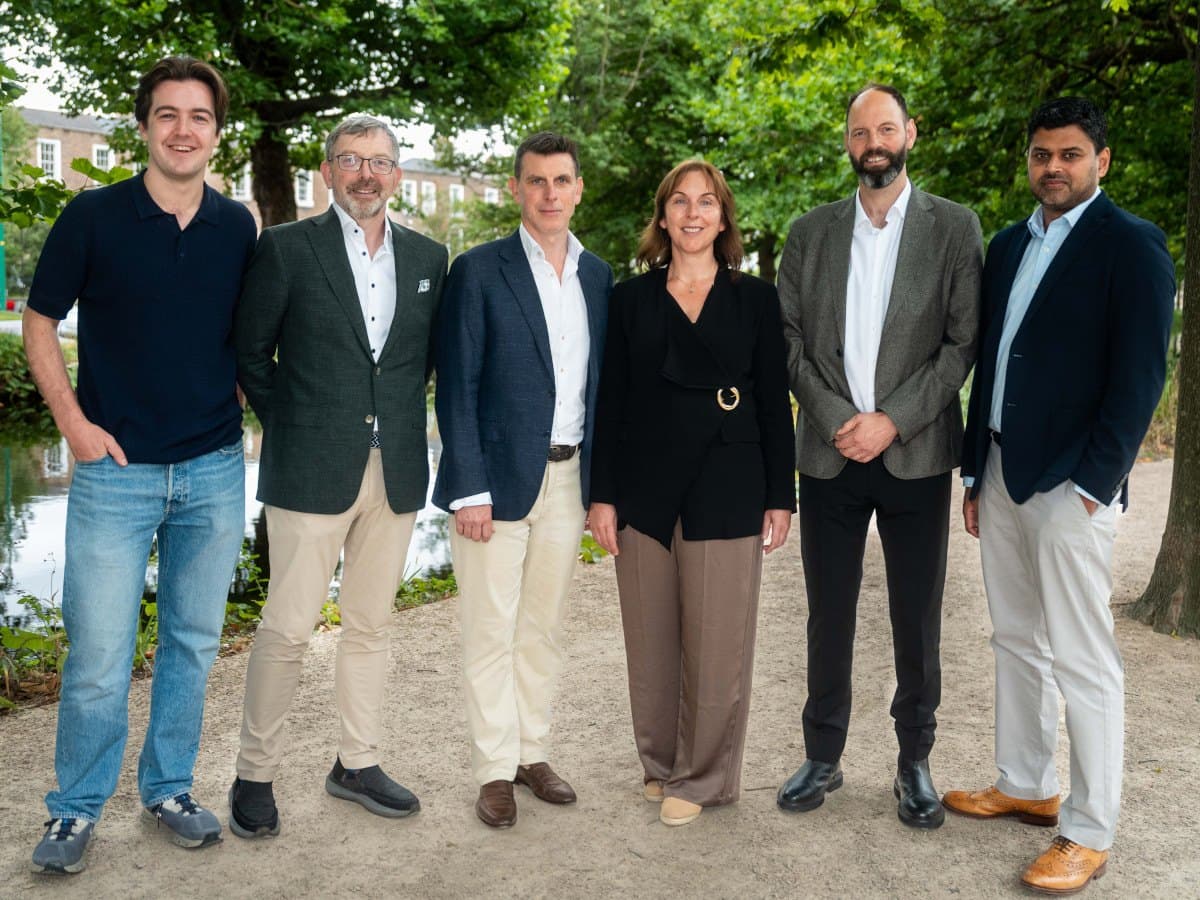
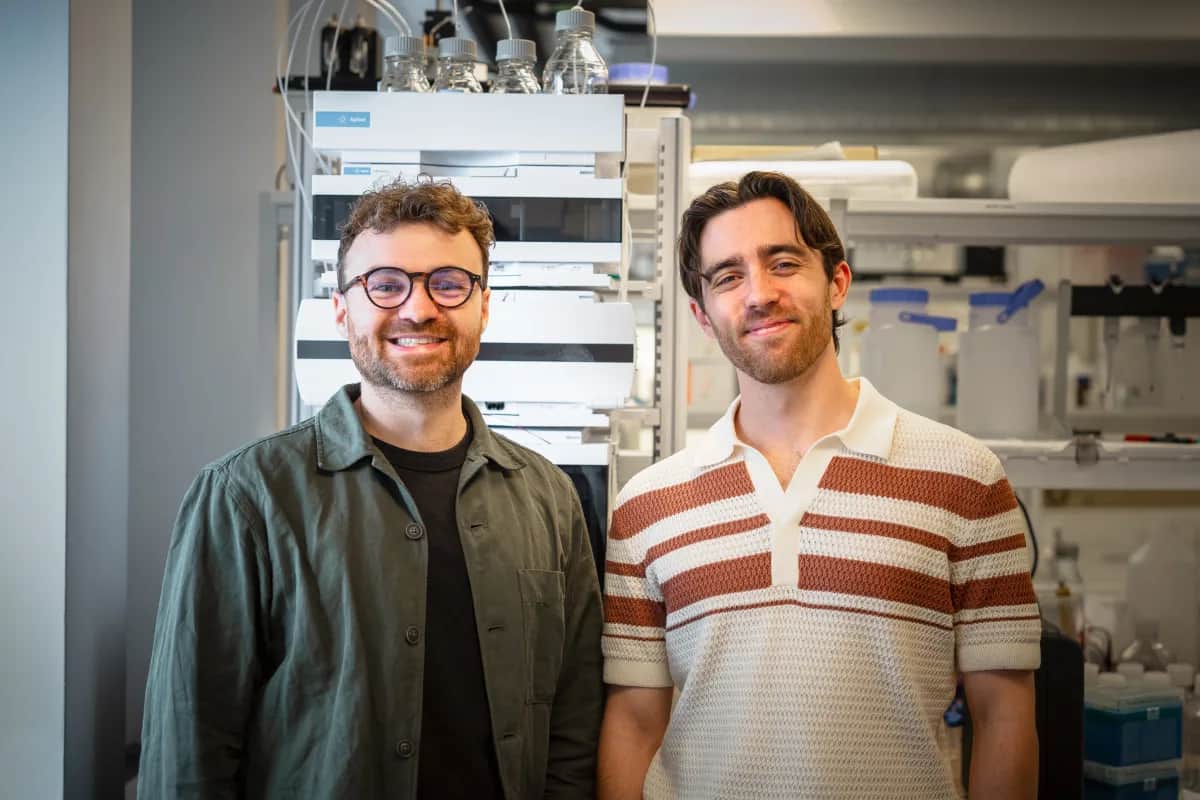
Tolemy Bio, the Cambridge‑based TechBio company founded by Alex Ward and Caelan, has spent the past two years building an AI‑native platform specifically designed to close this manufacturing gap. On May 12, 2026, the company announced a €1.4 million pre‑seed round led by Norrsken Evolve, the impact‑focused European venture fund founded by Niklas Adalberth, the co‑founder of Klarna. The funding accelerates development of Orbit, Tolemy's AI‑native control panel for cell culture processes, and deepens its commercial partnerships across the cell and gene therapy manufacturing ecosystem.
What Makes Cell Therapy Manufacturing So Hard
Standard pharmaceutical manufacturing produces the same molecule repeatedly from the same chemical synthesis route. Once validated, the process is deterministic. Scale it up, and you get more of the same thing.
Cell therapy manufacturing is categorically different. The starting material is not a chemical compound. It is a living cell, often derived from the patient themselves, with biological variability inherent at every step. The specific cells collected from one patient differ in ways that affect how they respond to manufacturing conditions. The culture media, the growth factors, the temperature profiles, the timing of interventions, all interact with the cell's biology in ways that produce different outcomes across batches, across patients, and across manufacturing sites.
Current cell therapy manufacturing teams navigate this complexity the way map readers navigate a new city before GPS: by experience, intuition, and trial and error. A team at one facility learns over years what conditions produce consistently potent T‑cells from their specific bioreactor. That knowledge is implicit, difficult to transfer, and often lost when people move.
Ward described the founding insight precisely in a blog published through the BioIndustry Association: "We need new strategies that go beyond incremental improvements." The specific strategy Tolemy has built is to make that implicit biological knowledge explicit through data and causal AI modelling.
The Orbit Platform: What Google Maps Actually Means
Tolemy calls its product Orbit, described as an AI‑native control panel for the cell. The platform ingests messy experimental and manufacturing data — cell growth measurements, phenotype characterization, potency assays, metabolite readouts, bioreactor performance logs — and applies cell‑type specific causal AI models to identify the biological levers that most strongly influence cell performance.
The Google Maps metaphor that has attached itself to Tolemy's positioning captures the key innovation: just as Google Maps built a navigable model of physical space from millions of individual data points, Orbit builds a navigable model of cellular behavior from the millions of individual measurements that cell therapy manufacturing generates.
Ward's technical description of what this enables is precise: "By applying causal AI modelling to a cell's metabolic and behavioral fingerprints, our platform can identify the exact levers that drive cell therapy performance, potency and yield. With that information, we can then predict the ideal supplement composition and concentrations to specifically enhance cell performance."
The word "causal" is doing important work in that sentence. Causal AI models are fundamentally different from correlative ones. A correlative model tells you that two things happen together. A causal model tells you which one drives the other and what happens when you intervene. For cell therapy manufacturing, where interventions, adding a media supplement, adjusting a growth factor concentration, changing a temperature profile, have different effects depending on the starting cell population and the manufacturing context, causality is the only framework that produces reliable predictions.
Commercial Validation Through Industry Partnerships
Tolemy Bio has not been building in isolation. Before this pre‑seed round closed, the company had already established three commercially significant partnerships that validate the platform's real‑world utility.
In January 2025, Tolemy partnered with Qkine, a leading recombinant protein manufacturer, to explore synergies between Qkine's cytokine portfolio and Tolemy's AI‑designed media formulations. Catherine Elton, Qkine's CEO, described the commercial case directly: "The potential to deliver tailored cell culture media orders of magnitude faster will ultimately help derisk translation and facilitate creation of scalable cell manufacture processes."
In early 2026, Tolemy partnered with MFX, a next‑generation bioreactor platform manufacturer, to apply Orbit's model‑driven media strategies specifically to T‑cell manufacturing in automated systems. The collaboration combines Tolemy's biologically rich formulations with MFX's automation to eliminate guesswork at the manufacturing interface where biology and equipment interact.
In February 2026, GeminiBio, the biopharma materials supplier, launched aiMOS, the first AI‑enabled media optimization service for cell therapy manufacturing, developed in collaboration with Tolemy Bio. aiMOS is described as the first service of its kind to leverage AI, machine learning, and multi‑omics data to design custom media supplements across T‑cell, NK‑cell, TCR, and TIL therapies. This is a production commercial service, not a pilot, available now to cell therapy manufacturers globally.
Three production partnerships, each with established industry players, before closing a pre‑seed round, is an unusually strong validation position for a company at this stage.
Norrsken Evolve, whose portfolio targets startups with genuine potential to improve outcomes for large numbers of people, selected Tolemy as one of its portfolio companies based on the direct impact pathway from the platform's adoption to the number of patients who ultimately receive these life‑saving therapies.
More at tolemy.bio
Stay informed
Startup news in your inbox
Get important funding rounds, founder stories, and startup updates.
No spam - only important startup updates.