Uncovr Raises $7 Million Seed to Replace Surgeon Memory with AI


New York and Paris‑based surgical AI startup Uncovr has raised $7 million in seed funding led by Index Ventures, with participation from Seedcamp, Frst, No Label Ventures, Sequoia Scout, and Entrepreneurs First. The round also includes angel backing from Jean Nehme, founder of Digital Surgery (acquired by Medtronic), Othman Laraki, chief executive of Color Health, and Charlie Songhurst, a member of Meta's board of directors, alongside a group of surgeons and clinical operators. The announcement was made on June 10, 2026.
The company is coming out of stealth with this raise, and the capital will be used to scale hospital deployments, continue product development, and further train its computer vision models on surgical video data.
The Gap in the Operating Room
More than 400 million surgeries are performed globally each year. A growing share of these, including robotic and minimally invasive procedures, are recorded on video in their entirety. The camera captures every instrument movement, every anatomical step, and every critical decision the surgeon makes in real time. That video exists. What happens to it is the problem.
After most procedures, the official clinical record, the operative report, is written not from the video but from the surgeon's memory, often hours after the operation has ended. The surgeon reconstructs what happened, what was found, what was done, and what complications arose, and translates that into a document that becomes the legal and clinical record of the procedure, the basis for billing, and part of the patient's permanent medical history.
This process is structurally unreliable. Memory degrades. Details are omitted. The gap between what actually happened in the operating room and what is captured in the operative note is not a theoretical concern. It has direct consequences for coding accuracy, reimbursement, quality assurance, research, and patient safety.
Uncovr was founded in 2025 specifically to close that gap. The company's position is that surgeons should not spend their time reconstructing from memory what a camera has already captured.
How the Technology Works
Uncovr's platform ingests the surgical or endoscopic video captured during a procedure and applies computer vision models to analyse what is happening in real time. Every instrument interaction, anatomical step, and procedural decision is identified and documented as it occurs. By the time the procedure ends, the system has a structured, comprehensive record of what took place, derived directly from the visual evidence rather than post‑hoc recollection.
From this analysis, the platform automatically generates two things: a draft operative report and the corresponding procedural billing codes. Both are reviewed and approved by the surgeon before submission, preserving clinical accountability while eliminating the manual documentation burden. The company says grounding documentation in procedural data rather than recollection improves clinical accuracy, coding quality, and reimbursement integrity. Missed billing codes, which are a persistent and costly problem across hospital systems, are reduced because the coding is drawn from a complete, video‑verified procedure record rather than a manually produced narrative.
Beyond the immediate documentation application, the platform creates searchable procedural records that can be used across quality assurance, compliance, research, and operational workflows. That secondary value layer, a growing structured dataset of expert surgical decision‑making, is what co‑founder and chief executive Ines Iraki has identified as the bigger long‑term opportunity. Every robotic and minimally invasive procedure, she has said, generates a rich record of expert judgment and technique. That body of data, accumulated across thousands of procedures and multiple hospital systems, has the potential to become one of the foundational datasets of modern medicine.
The Founding Team
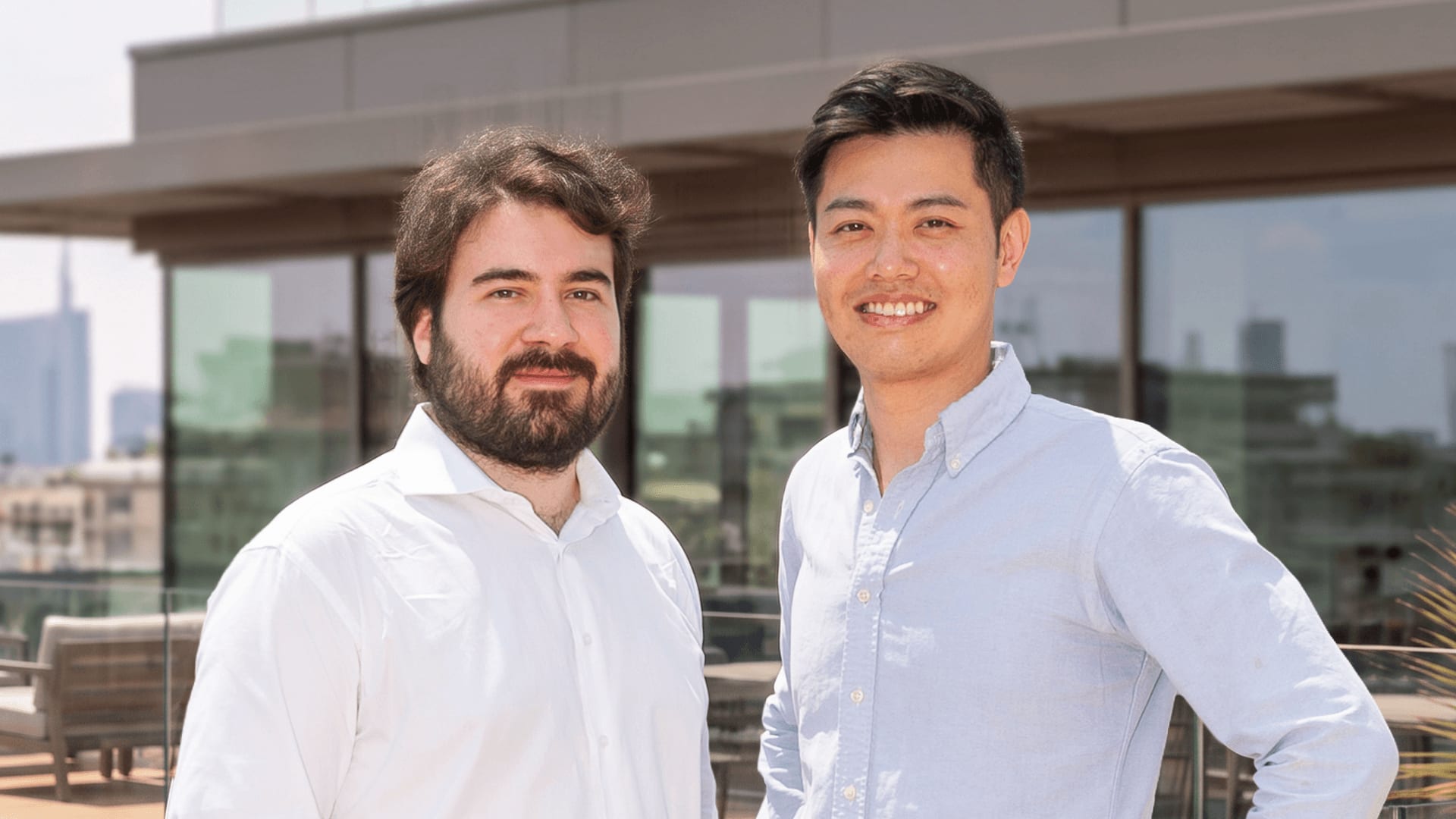
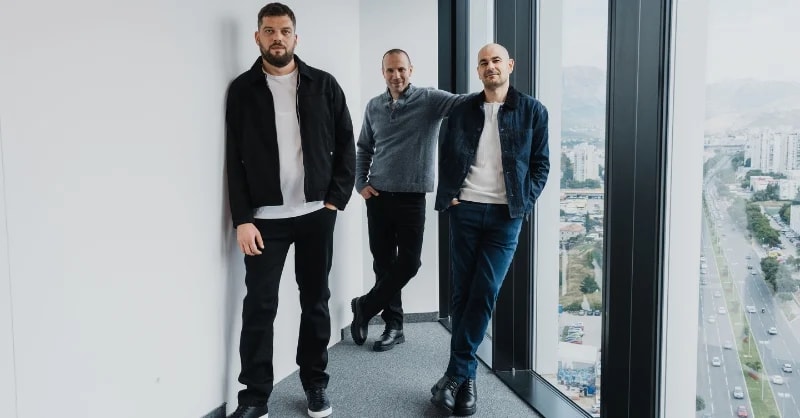
Uncovr was founded by three people whose backgrounds span surgery, autonomous systems, and frontier AI. Iraki, the CEO, spent time inside operating rooms while working in healthcare and became focused on the gap between what surgical systems capture and what hospitals are actually able to use. Professor Eric Vibert, who is Chief of Surgery at AP‑HP (Assistance Publique‑Hopitaux de Paris), spent years confronting the clinical consequences of incomplete operative reporting from the surgical side. Johann Diep, the chief technology officer, previously developed AI systems for autonomous environments at the European Space Agency and at ETH Zurich.
The company says it is already working with leading hospitals in the United States and Europe, has analysed thousands of hours of surgical procedures, and has a pipeline of more than 400 operating rooms currently under discussion or in deployment.
The Broader Category
Index Ventures is not a new entrant to the AI‑in‑healthcare‑operations space. The firm also leads Parallel, a Paris‑based startup focused on automating hospital medical coding through AI. The pattern of capital flowing into the administrative and documentation layer of healthcare, rather than the clinical procedure itself, reflects a broad recognition that some of the largest inefficiencies in hospital economics are not in the operating room but in the paperwork around it.
Uncovr sits at the harder and more sensitive end of that category. Operative notes and billing codes are documents that sit close to patient safety, liability, and reimbursement. They are scrutinised by regulators, audited by payers, and reviewed by legal teams. The threshold of trust required before a hospital system will accept AI‑drafted records at scale, even with a surgeon's review and approval, is higher than for scheduling tools or administrative workflow automation.
The seed round is a bet that this trust can be built through demonstrated accuracy, clinical co‑design, and the track record of working within hospital governance structures rather than around them. The participation of Nehme, whose Digital Surgery company built AI tools that were trusted and acquired by Medtronic, is a meaningful signal that the surgical technology community sees Uncovr's approach as credible.
Key facts about the round and company:
- Seed round: $7 million (€6 million)
- Lead investor: Index Ventures
- Other investors: Seedcamp, Frst, No Label Ventures, Sequoia Scout, Entrepreneurs First
- Angels: Jean Nehme (Digital Surgery founder), Othman Laraki (Color Health CEO), Charlie Songhurst (Meta board)
- Founded: 2025, by Ines Iraki, Johann Diep, and Professor Eric Vibert
- Headquarters: New York and Paris
- Pipeline: more than 400 operating rooms
Whether surgeons, hospital administrators, and payers will trust AI‑generated operative documentation at scale is the central test this funding will finance. If Uncovr can demonstrate consistent, auditable accuracy across a meaningful volume of procedures in credible hospital systems, the path from seed‑stage startup to infrastructure layer for surgical documentation becomes a great deal shorter.
Stay informed
Startup news in your inbox
Get important funding rounds, founder stories, and startup updates.
No spam - only important startup updates.
Comments
Text only. No links or images.
No comments yet.