AI Chip Startup Etched Raises 300 Million Dollars at a 10.3 Billion Dollar Valuation to Challenge Nvidia

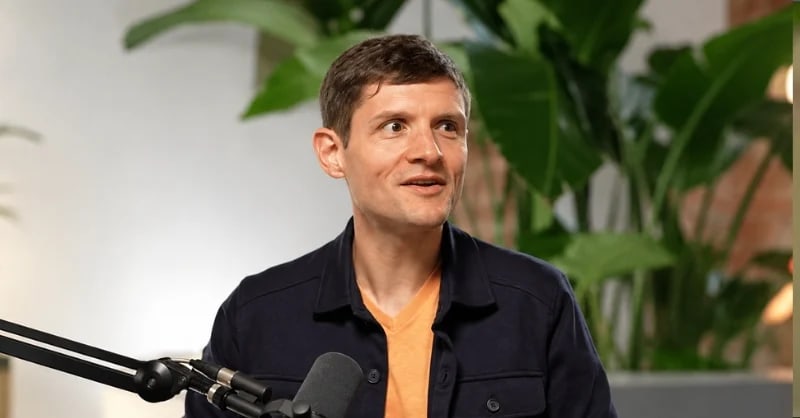
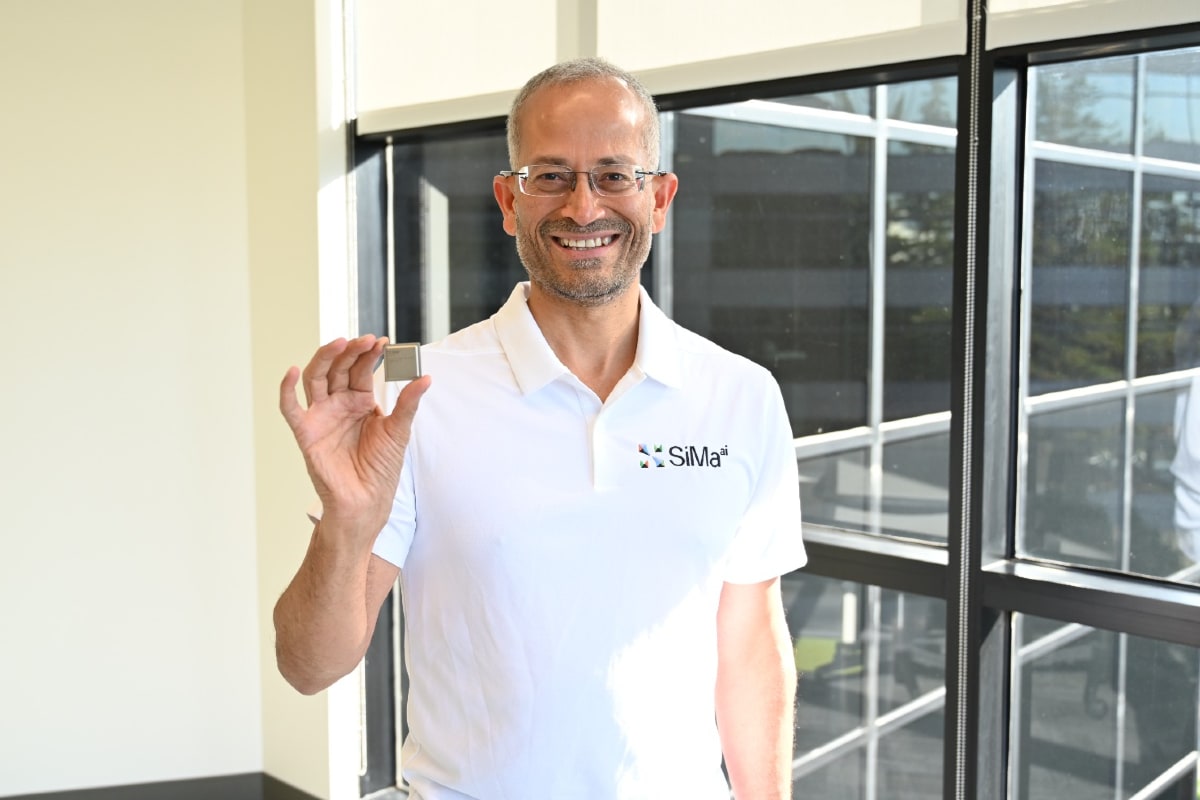
co-founder and COO Robert Wachen
Image credit: Etched
Etched, the AI chip startup founded by three Harvard dropouts in 2022, has closed a 300 million dollar Series C funding round at a 10.3 billion dollar valuation, more than doubling its worth in less than a month as demand for its specialized inference hardware continues to outpace what the company can currently supply.
The round was led by Sequoia Capital, with participation from Andreessen Horowitz, Jane Street, Diffusion and SK Hynix. According to the company, the financing represents the highest valuation ever recorded for a Sequoia‑led Series C round, underscoring how quickly investor enthusiasm for specialized AI hardware has escalated over the past year.
From Near Collapse to a Leading Nvidia Challenger
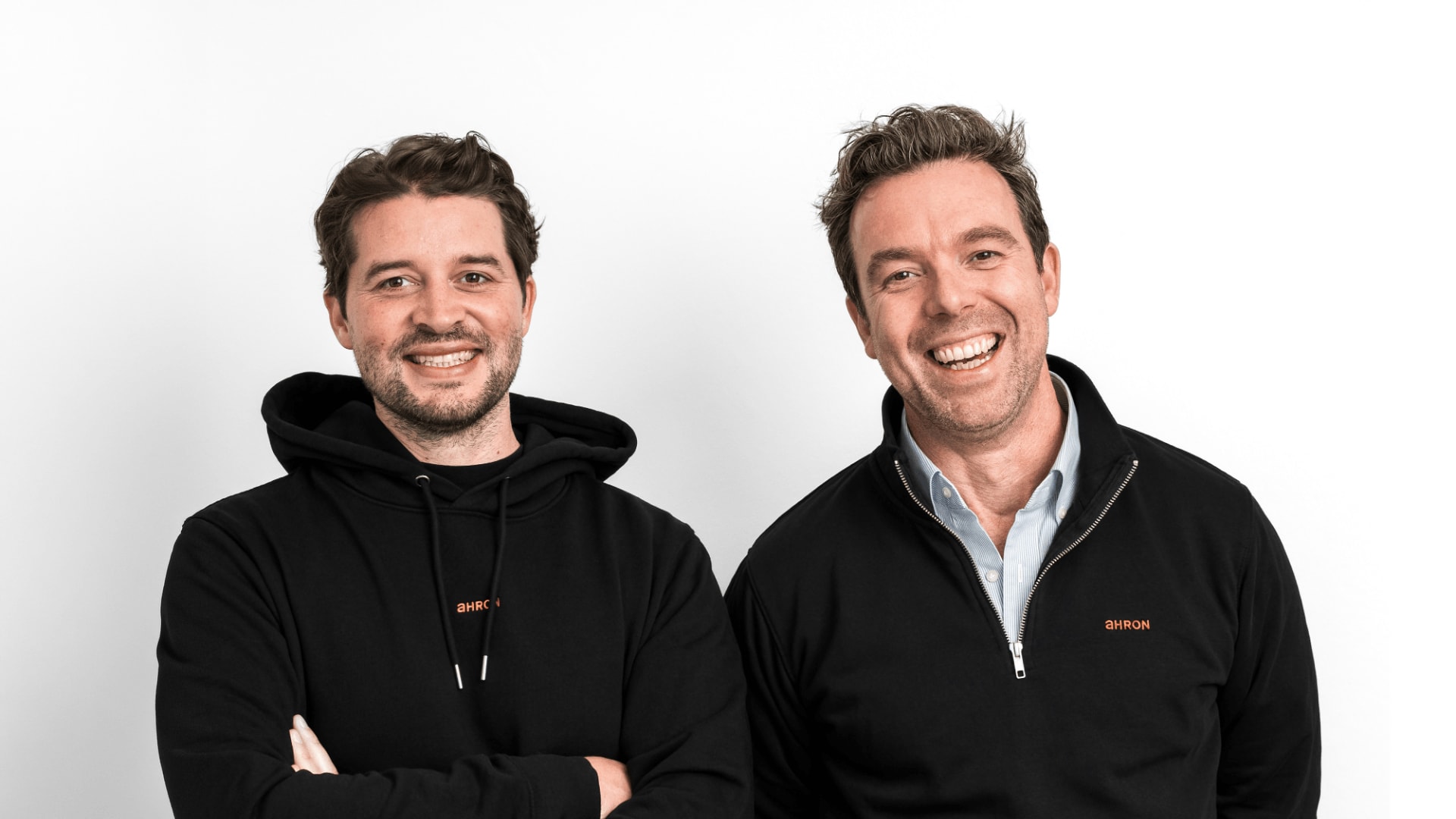
Etched was founded in 2022 by Gavin Uberti, Chris Zhu and Robert Wachen, who all dropped out of Harvard and went on to become Thiel Fellows, a program that funds young founders who skip traditional higher education to build companies. The three bonded over a shared conviction that transformer‑based AI models would come to dominate the field, and built their company around a bet that general‑purpose graphics processing units, the chips Nvidia has built its dominance on, would not remain the most efficient way to run those models at scale.
That bet nearly failed early on. In 2023, Etched came close to running out of money entirely, struggling to get investors interested in a company focused on a narrow, specialized approach to AI hardware at a time when the industry's attention was fixed almost entirely on training ever larger models rather than the less glamorous business of running them efficiently once built.
A Rapid Reversal Built on Inference Demand
The turnaround came as the AI industry's center of gravity began shifting from training toward inference, the computational process that occurs every time a deployed AI model receives a prompt and generates a response. Etched's flagship product, a chip system called Sohu, is built specifically for this task, embedding transformer architecture directly into the hardware itself rather than relying on the general‑purpose flexibility of a traditional GPU.
That specialization, the company argues, allows Sohu to run transformer models with meaningfully greater speed and lower cost per inference than general‑purpose alternatives, including Nvidia's own chips. Etched has said its systems are faster, cheaper and more energy efficient than competing hardware, a claim that has helped the company secure more than a billion dollars in customer contracts for its inference systems.
Backing From a Notable Cross‑Section of Investors
Etched's cap table has grown to include an unusually wide mix of financial and strategic investors, including Jane Street, which has invested more than 100 million dollars into the company, along with Hudson River Trading, Two Sigma, Ribbit Capital, Radical Ventures, Primary Venture Partners and Positive Sum. Strategic backing has come from VentureTech Alliance, a fund with ties to chip manufacturer TSMC, positioning Etched closer to the physical supply chain it depends on for chip production.
The company has also attracted a striking group of individual angel investors from within the AI research community itself, including Andrej Karpathy, Geoffrey Hinton, Fei‑Fei Li, Arthur Mensch and Scott Wu, alongside billionaire investors Peter Thiel and Stanley Druckenmiller. That combination of deep technical credibility and financial firepower has helped Etched move from a company barely on industry radars in 2023 to one of the most closely watched challengers in the AI chip market today.
Scaling Production to Match Surging Demand
With its new capital, Etched plans to expand production capacity and accelerate customer deployments, building on an 80,000 square foot facility it recently opened near its San Jose, California headquarters specifically to expand prototyping and manufacturing capacity. The company has said demand for its AI inference systems continues to outpace available supply as customers move from evaluating the technology to actually deploying it in production environments.
Etched's valuation trajectory has been unusually steep even by the standards of the current AI funding environment, moving from roughly 5 billion dollars in a December 2025 round led by Stripes to 10.3 billion dollars in this latest Sequoia‑led raise, with reports suggesting the company may already be pursuing a further round at a valuation approaching 20 billion dollars. That pace of back to back fundraising, each round closing before the previous one has even had time to be fully absorbed by the market, has become an increasingly common pattern among the AI industry's most sought after infrastructure companies.
A Narrow Bet in an Increasingly Crowded Field
Etched's strategy remains deliberately narrow: rather than attempting to compete with Nvidia across the full range of AI workloads, the company is focused entirely on doing one thing, running transformer‑based inference, as efficiently as possible. With Nvidia projecting more than 500 billion dollars in cumulative data center sales by the end of 2026, Etched is not positioning itself to replace the incumbent everywhere, but rather to carve out a defensible, high‑value niche within a rapidly expanding market.
Whether that focused approach can continue justifying valuations rising this quickly, especially for chip systems still in the early stages of full commercial validation, remains an open question facing Etched and the broader wave of specialized AI hardware startups now racing to capture a share of the inference market as it scales alongside global AI deployment.
Topics
Stay informed
Startup news in your inbox
Get important funding rounds, founder stories, and startup updates.
No spam - only important startup updates.
Comments
Text only. No links or images.
No comments yet.