Avrea Raises $4.7M From Earlybird to Fix the CI/CD Bottleneck Before AI-Generated Code Breaks It

Avrea, a Helsinki‑based startup rebuilding continuous integration and continuous delivery infrastructure for the AI coding era, has emerged from stealth with $4.7 million in pre‑seed funding led by Earlybird Venture Capital. The round closed in a matter of weeks without a formal pitch deck, which is perhaps the most telling detail about how the deal came together.
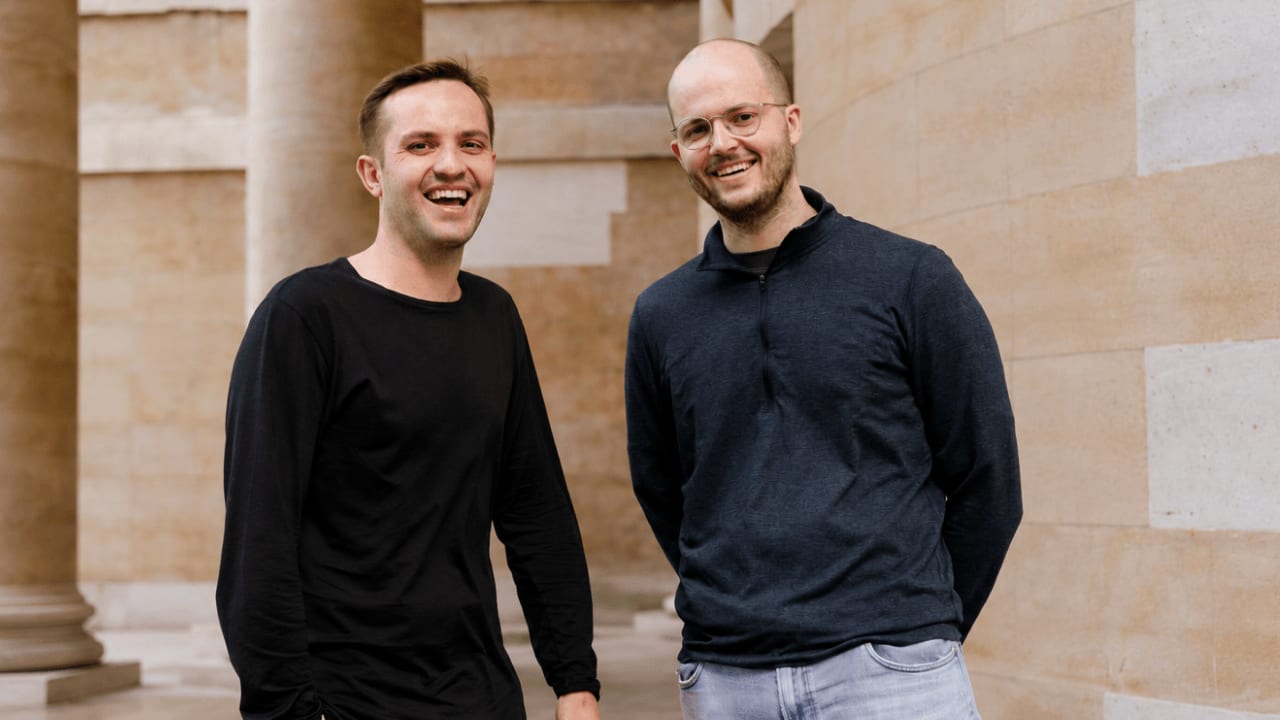
Earlybird General Partner Paul Klemm, who previously spent time inside Aiven before moving into venture capital, led the deal personally. Avrea was co‑founded by Hannu Valtonen, who built Aiven as a co‑founder from its earliest days and scaled it to a $3 billion valuation in its 2022 Series D, alongside Juha Valvanne, who co‑founded the Helsinki‑based commerce personalization platform Nosto. Valtonen is CEO. Valvanne is Chief Strategy Officer.
Klemm's reasoning for moving quickly was direct: backing Hannu a second time was an easy decision. At Aiven, he built a category‑defining infrastructure company and scaled it to unicorn status. The opportunity behind Avrea is compelling on its own terms, not just because of the founder, but the two are inseparable.
The Problem That AI Code Generation Just Made Much Worse
The software delivery pipeline has had a structural weakness for years, but AI coding tools have turned a manageable friction into an urgent engineering problem.
When developers write code manually, the volume of code requiring testing, validation, and deployment grows at a human pace. When AI coding assistants are integrated into engineering workflows, that volume can multiply several times over without a corresponding increase in headcount. The code still needs to be tested. Every change still needs to pass through a build pipeline. Every deployment still needs to be validated.
Valtonen put the mathematics plainly at the launch: if you generate five times more code, you need to run five times more tests, and the strain on CI/CD becomes impossible to ignore. AI has removed the bottleneck of writing code. But testing and delivery still scale linearly with output.
The consequence is visible in engineering teams that use GitHub Actions or similar conventional CI platforms: longer build queues, more frequent flaky test failures that are hard to diagnose, and an increasing gap between when code is written and when it is safely in production. For teams using AI coding agents that iterate and push changes autonomously, the problem becomes more acute because those agents may be triggering build pipeline runs around the clock without human scheduling awareness.
What Avrea Builds and How It Works
Avrea's approach is to rebuild the delivery layer from the ground up for AI‑native workflows rather than patch existing systems. The platform does three distinct things.
First, it integrates into existing CI/CD workflows with a single line of code. Engineering teams do not need to replace their existing infrastructure on day one or retrain every developer. Avrea layers on top, which dramatically lowers the switching cost for initial adoption.
Second, it adds an AI observability layer that surfaces root causes of build failures, flaky tests, stuck processes, and resource constraints in real time rather than requiring engineers to manually dig through logs across multiple systems. Traditional CI platforms tend to surface symptoms rather than causes, meaning a stuck build requires manual investigation across multiple log streams before the problem can be identified and fixed.
Third, the platform is designed to be accessed directly by AI agents, not just by human developers through a UI. That design choice reflects where the industry is heading: engineering teams where AI agents are expected to handle not just code generation but also the build, test, and deployment loop with minimal human involvement at every step. An AI agent needs to be able to query pipeline status, understand failure reasons, and trigger retry or rollback actions without human mediation.
The team includes former engineers from Spotify and Hoxhunt alongside the founders, and more than half of current employees have prior startup experience, meaning the company is building with people who have seen the same operational problems in real production environments.
Enterprise Certifications at Pre‑Seed
One of the more unusual facts about Avrea is that it launched from stealth with ISO 27001 and SOC 2 certifications already in place. Both are enterprise security and data handling standards that most startups pursue only after they have a significant customer pipeline to justify the audit cost and process overhead.
Carrying those certifications at pre‑seed stage is a deliberate enterprise adoption strategy. Security reviews are one of the most common blockers in enterprise sales cycles for developer tools, particularly tools that sit inside software delivery pipelines where they have visibility into source code, build artifacts, and deployment credentials. By completing those certifications before going public, Avrea is designed to bypass the months‑long security review process that would otherwise delay its first enterprise customer contracts.
That posture is consistent with the founders' backgrounds. Aiven built its business inside the enterprise cloud infrastructure market, where security certifications are table stakes rather than optional features. Carrying that lesson into Avrea from the start reflects a team that has been through the enterprise sales cycle before.
The $4.7 million will fund engineering team growth, expansion of the platform beyond CI/CD runners to cover adjacent parts of the delivery pipeline, and go‑to‑market acceleration as the company moves from stealth to active customer acquisition.
Stay informed
Startup news in your inbox
Get important funding rounds, founder stories, and startup updates.
No spam - only important startup updates.
Comments
Text only. No links or images.
No comments yet.