C2i Semiconductors Closes $16.7 Million Series A to Solve the AI Data Center Power Crisis
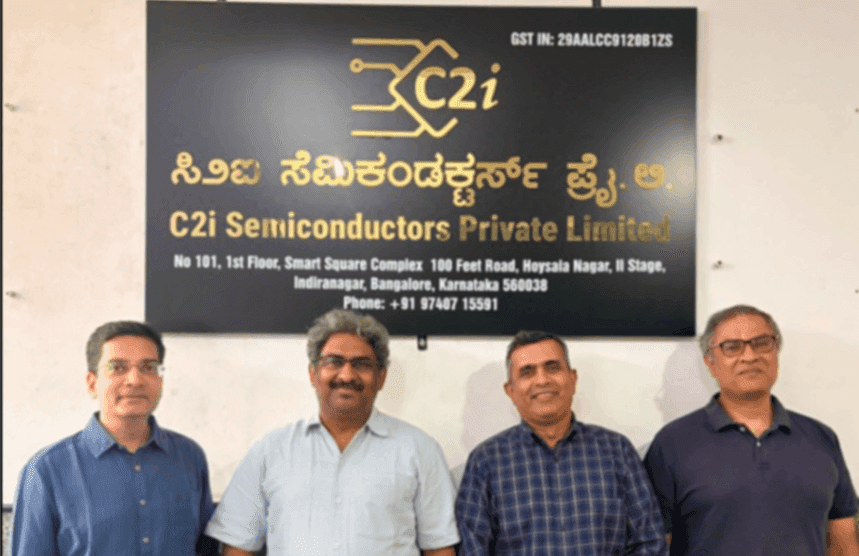
As the artificial intelligence industry races to build ever‑larger compute clusters, the infrastructure layers that actually deliver power to the silicon are struggling to keep pace. C2i Semiconductors, a Bengaluru‑based deeptech startup founded in 2024, is betting it has the answer to one of AI infrastructure's least visible but most critical problems: power delivery efficiency from grid to processor core.
The company has closed its Series A funding round at $16.7 million, with TDK Ventures joining as the latest investor in an extension of the round. The financing also includes participation from Peak XV Partners and other prominent semiconductor industry investors. The fresh capital will be used to expand operations, accelerate product development, and strengthen global partnerships as C2i positions itself within the AI infrastructure supply chain.
The Problem C2i Is Solving
The power demands of modern AI accelerators are rising at a pace that traditional voltage regulator designs cannot comfortably accommodate. The NVIDIA H100 GPU released in 2022 required approximately 700 watts of power. Upcoming chips projected for 2028 are expected to demand as much as 4,500 watts. Modern GPUs and accelerators are also projected to require peak currents of up to 6,000 amperes by 2030, creating what engineers call last‑inch power losses, where energy is wasted in the final delivery step between power supply and processor.
The International Energy Agency projects that global electricity consumption from data centers could approach 945 terawatt‑hours annually by 2030. At that scale, even marginal improvements in power conversion efficiency translate into billions of dollars in cost savings and significant reductions in environmental impact.
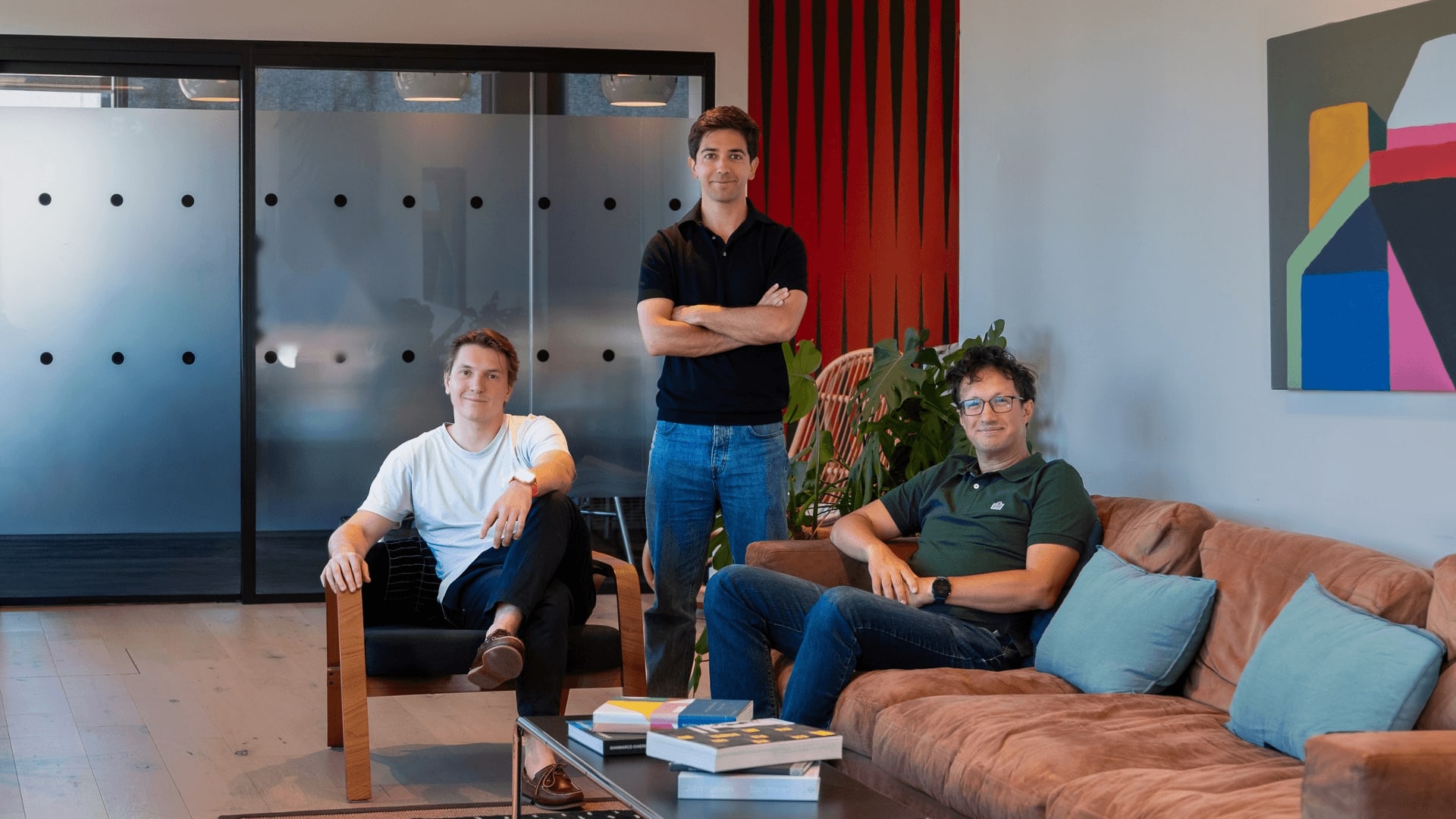
C2i was founded by a team of veterans from Texas Instruments: Ram Anant, Vikram Gakhar, Preetam Tadeparthy, Dattatreya Suryanarayana, Harsha S B, and Muthusubramanian N V. The founding team's background in power electronics gives the company deep credibility in a space that sits at the intersection of analog engineering and software‑defined systems.
What the Technology Does
C2i's platform centers on two core products. The first is the Manas Controller, a software‑defined voltage regulator that governs how power is delivered to processors in real time. The second is the Sarayu, a smart power stage that works alongside the controller to optimize efficiency at the component level.
Together, the platform is projected to deliver more than 96% power conversion efficiency. That compares to roughly 94% in incumbent systems, a gap that appears small but has outsized consequences in a 100‑megawatt data center. The company estimates that this efficiency improvement, combined with reduced heat generation, could save approximately $12 million annually in a facility of that scale.
There is a thermal benefit as well. The technology enables processors to run up to 4 degrees Celsius cooler than they would under existing power delivery architectures, which extends the operational life of expensive AI hardware and reduces cooling infrastructure demands.
The company describes its ambition as fundamentally rethinking how energy flows from the grid all the way to the processor core, treating power delivery as a software‑defined system rather than a purely hardware problem.
Investor Confidence
The round structure itself tells a story. The original $15 million tranche of the Series A was led by Peak XV Partners, with TDK Ventures participating from the start. The extension round, which brought total capital to $16.7 million, was oversubscribed, with TDK Ventures deepening its commitment.
TDK Ventures is the corporate venture arm of TDK Corporation, a Japanese electronics conglomerate with fiscal 2026 revenues of approximately $16.6 billion. The firm focuses on startups in materials science, energy and power, and adjacent areas typically underrepresented in venture capital portfolios. Its decision to co‑invest and then extend its commitment in C2i signals strategic alignment well beyond financial return.
Before the Series A, C2i had also secured $4 million in an earlier round from Yali Capital in November 2024, giving the company a runway to develop its core intellectual property before bringing on institutional capital.
The broader market conditions support the investment thesis. Global data center electricity demand is on a trajectory that makes power efficiency not a nice‑to‑have but a commercial and regulatory necessity. As AI workloads grow and energy infrastructure costs rise, the companies that can deliver meaningful efficiency gains at the hardware layer will hold durable competitive advantage.
C2i is part of a small but growing cohort of Indian deeptech startups attacking the AI infrastructure layer rather than the application layer, a shift that is drawing increasing attention from global investors as the semiconductor and power electronics ecosystem in India matures.
Stay informed
Startup news in your inbox
Get important funding rounds, founder stories, and startup updates.
No spam - only important startup updates.
Comments
Text only. No links or images.
No comments yet.