Meta Acquires Assured Robot Intelligence 2026 | ARI Founders Join Superintelligence Labs Humanoid Push
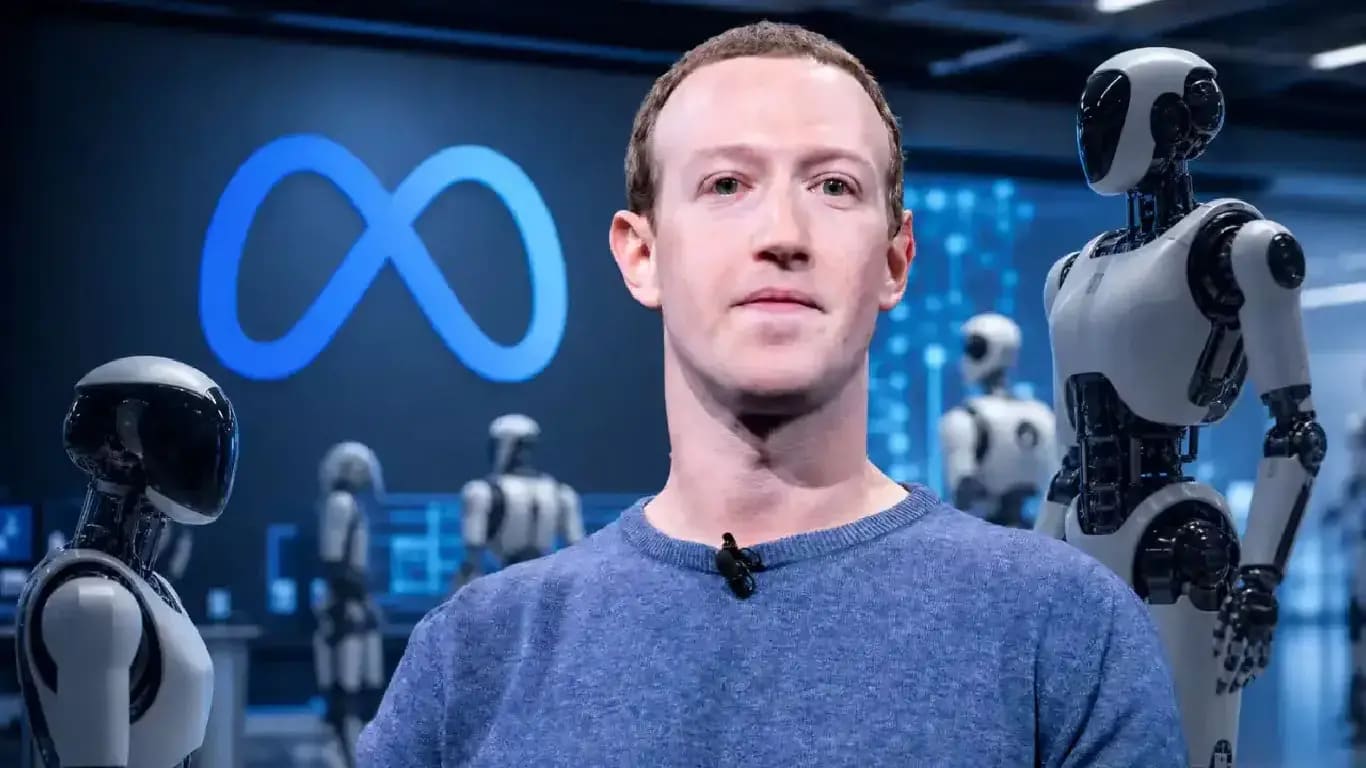
Zuckerberg has a strategy for humanoid robots. It is called Android.
Meta CTO Andrew Bosworth explained it in 2025: the company's goal is to build software that other hardware manufacturers can license and run on their robots, replicating the model Google used to capture the smartphone market without having to manufacture every device. "Software is the bottleneck," Bosworth said. Start with a dexterous hand, build the software to control it, and expand from there.
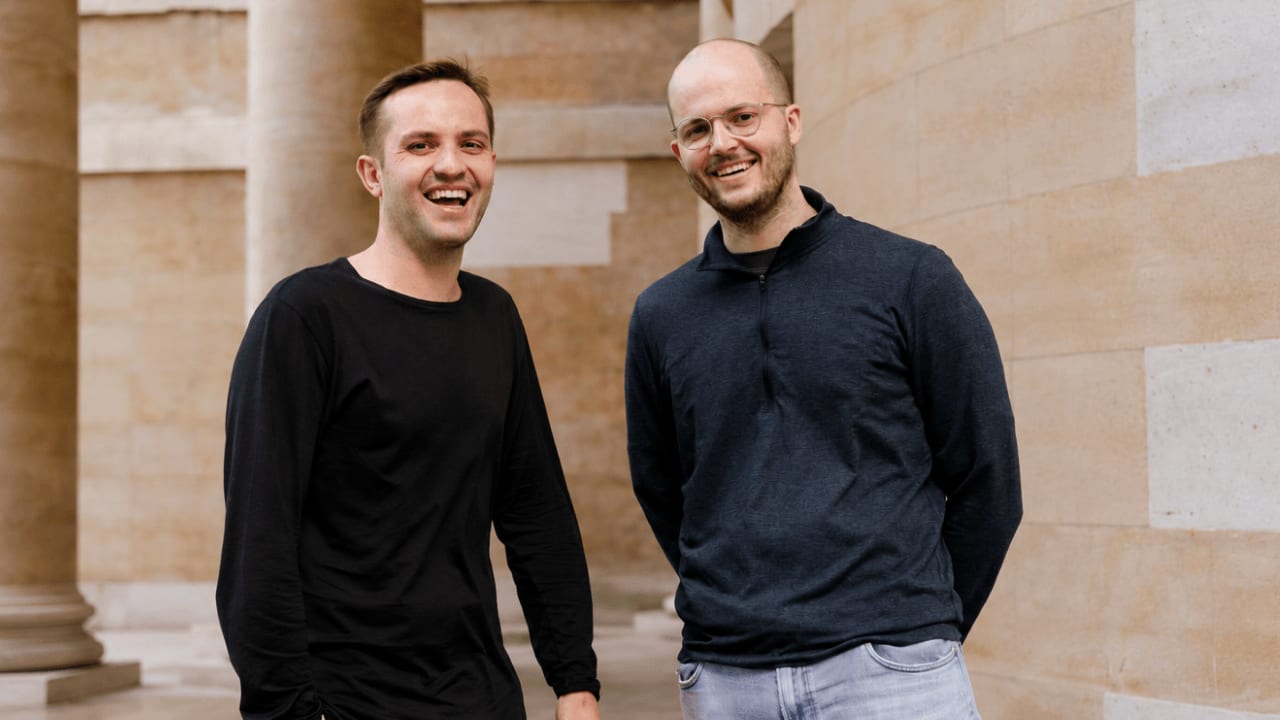
The acquisition of Assured Robot Intelligence, announced on May 1, 2026, is the most concrete signal yet that Meta is executing this strategy with serious urgency. The company acquired ARI, a startup building AI models that enable robots to understand, predict, and adapt to human behaviors in complex, dynamic physical environments. Financial terms were not disclosed. The entire ARI team, including co‑founders Lerrel Pinto and Xiaolong Wang and co‑founder Xuxin Cheng, will join Meta's Superintelligence Labs research division, where they will collaborate with Meta Robotics Studio, a team Meta established last year focused on foundational humanoid technology.
Who ARI's Founders Are and Why Meta Needed Them
The co‑founders of Assured Robot Intelligence are not recent graduates building their first company. They are researchers whose specific expertise fills a gap that Meta's internal team has not been able to close.
Lerrel Pinto previously taught at New York University, where his robotics lab produced some of the most cited work in manipulation and physical learning. Before ARI, he co‑founded Fauna Robotics, a humanoid startup that built the Sprout bipedal robot specifically for safe operation in human‑occupied environments. Amazon acquired Fauna Robotics in March 2026. Pinto's pattern is clear: founding companies that advance physical robot intelligence in environments where humans are present, then exiting to larger platforms with the infrastructure to scale what he has built.
Xiaolong Wang is an associate professor at the University of California San Diego, where he runs a robotics lab focused on learning‑based control for legged and dexterous robots. Before his academic position, he was a researcher at Nvidia. His specific expertise is in teaching robots to move naturally and adapt to unpredictable physical environments through learning from data rather than hard‑coded rules.
In a post on X, Wang described ARI's technical orientation: from the start, the company knew that achieving its goals meant training a truly general‑purpose physical agent. They now believe the agent will be humanoid, and that scaling will come from learning directly from human experience, not teleoperation alone. Wang added that Meta has access to the key components needed to make this vision possible.
The distinction between learning from human experience and relying on teleoperation is specific and consequential. Teleoperation means a human directly controls the robot during data collection, generating demonstrations that the AI then learns to imitate. Learning from human experience means observing how humans naturally move and interact with their environments, including all the adaptation, error recovery, and contextual decision‑making that humans perform automatically, and extracting a model of physical intelligence from that observation. The latter approach generalizes more broadly and requires less specialized hardware infrastructure to scale.
Meta Superintelligence Labs head Alexandr Wang welcomed the ARI team on X, specifically underscoring the division's push into physical AI and its goal of achieving physical AGI, artificial general intelligence capable of reliable operation in the physical world. The acquisition positions ARI's approach, whole‑body humanoid control learned from human experience at scale, as a core component of that program.
Meta's robotics team, which aims to eventually use technology from ARI, is working on in‑house humanoid hardware alongside the underlying AI that will power it. The hardware will ultimately be offered for licensing to other companies, with Meta's proprietary robot serving as the development reference platform rather than the commercial product.
The competitive field Meta is entering with this acquisition includes Tesla's Optimus program, Google DeepMind's robotics investments, Amazon's Robotics efforts now augmented by Fauna, Figure AI backed by Microsoft and OpenAI, and 1X, which is developing humanoids for consumer and logistics applications. The humanoid robotics market is currently valued at approximately $2 billion and is projected to reach $5 trillion by 2040, according to Goldman Sachs estimates. That trajectory is why every major technology company in the world is now either building, acquiring, or investing in the AI that will make humanoid robots commercially viable.
More at about.meta.com
Stay informed
Startup news in your inbox
Get important funding rounds, founder stories, and startup updates.
No spam - only important startup updates.
Comments
Text only. No links or images.
No comments yet.