Nvidia Just Made Its First Legal Tech Investment Ever. The Company It Chose Is Trying to Catch Harvey.
Editorial Team

When Nvidia's venture arm, NVentures, decides to make its very first investment in legal technology, the company it chooses says something about where the legal AI market is heading. On April 30, 2026, NVentures chose Legora.
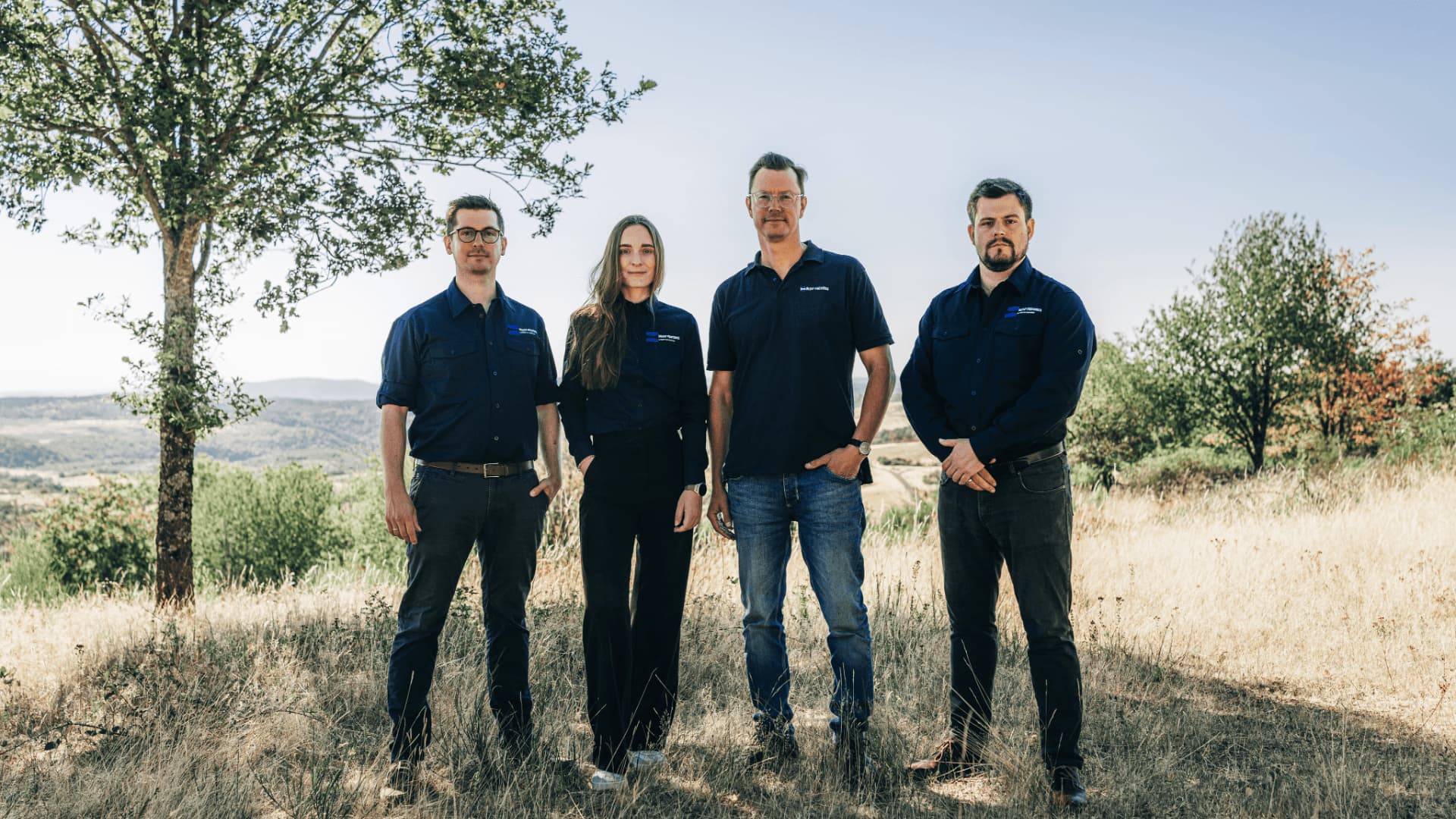
The Swedish legal AI company announced a $50 million extension of its Series D funding round, bringing the total Series D to $600 million and setting the company's post‑money valuation at $5.6 billion. Alongside Nvidia, Atlassian joined as a new corporate investor, with additional financial participants including Adams Street Partners, Airtree, Barclays, Geodesic Capital, Insight Partners, Liberty Global, and Nikesh Arora. The extension follows Legora's initial $550 million Series D close in March 2026, led by Accel, which valued the company at $5.5 billion. The company has now raised $866 million in total since its founding in 2023 by Max Junestrand, Sigge Labor, and August Erséus.
This is not simply a funding story. The timing of the extension coincides with a commercial milestone that made the round not just possible but oversubscribed: Legora crossed $100 million in annual recurring revenue in the weeks between the March close and the April extension. That milestone, from $0 to $100 million ARR in roughly 30 months, is one of the fastest ARR ramp rates recorded in European enterprise software.
What Legora Has Actually Built
Legora is a collaborative AI platform for legal teams that handles research, document review, and contract drafting. Its customers include law firms, in‑house legal departments at large enterprises, and governmental legal organizations. The company currently serves more than 1,000 organizations across more than 50 markets. Twelve months ago, it served 200. That growth rate, from 200 to 1,000 client organizations in one year, reflects both the underlying demand for legal AI and Legora's specific ability to convert that demand into production deployments rather than pilots.
Junestrand described the company's strategic direction at the extension announcement: "Enterprise AI is now entering a new phase. Foundation models are improving rapidly, but the real breakthrough is in how they're applied, where AI doesn't just assist, but executes autonomously with the right level of human oversight. With the support of our investors and customers, we're building a full agentic operating system for legal work."
The phrase "agentic operating system" is deliberate. Legora is positioning itself not as a legal research assistant but as the system through which AI agents execute entire legal workflows end‑to‑end. The company has articulated this as a shift from SaaS to AaaS, or Agent as a Service, in which AI agents carry out tasks and manage workflows autonomously rather than requiring human initiation of each step. Corporate legal departments, which Legora identifies as its fastest‑growing segment, are the primary buyers of this vision.
The Nvidia Signal and What It Means Competitively
NVentures' participation is Nvidia's first‑known bet in legal technology, per its publicly available portfolio. Nvidia has been an active startup investor across AI in 2026, backing over three dozen companies, but its choices have been concentrated in AI infrastructure, developer tools, and model training. The decision to invest in a legal application company reflects a specific judgment: that legal AI is large and durable enough to warrant direct ecosystem participation, and that Legora is the platform most likely to define the category.
Atlassian's strategic participation brings a different dimension. Sarah Hughes, Atlassian's head of corporate development and product partnerships, said the firm sees "strong alignment with Atlassian's vision for AI‑powered team collaboration." That framing suggests possible product integration between Legora's legal AI and Atlassian's project management and collaboration tools, an integration pathway that would give Legora access to Atlassian's large enterprise customer base.
The marketing battle between Legora and its primary US competitor Harvey is worth noting in full. Harvey, which raised $200 million earlier in 2026 at an $11 billion valuation with Sequoia tripling down its investment, signed a brand partnership with Gabriel Macht, the actor who plays Harvey Specter in the legal drama Suits. Legora's response was the Jude Law campaign, launched under the slogan "Law just got more attractive." Both companies are betting heavily on brand awareness as a differentiator in a market where every legal AI platform is built on top of foundation models from Anthropic or OpenAI, making the underlying model quality difficult to differentiate and brand perception increasingly important.
Legora has opened multiple offices globally with the US as a key expansion focus. Harvey, in turn, is moving aggressively into Europe. The Legora‑Harvey battle, well‑capitalized on both sides and competitive across geographies, is the clearest available signal that legal AI has crossed from experiment to enterprise infrastructure.
More at legora.com
Stay informed
Startup news in your inbox
Get important funding rounds, founder stories, and startup updates.
No spam - only important startup updates.