Standard Intelligence $75M Sequoia Spark Capital 2026 | FDM-1 Computer Use AI Model

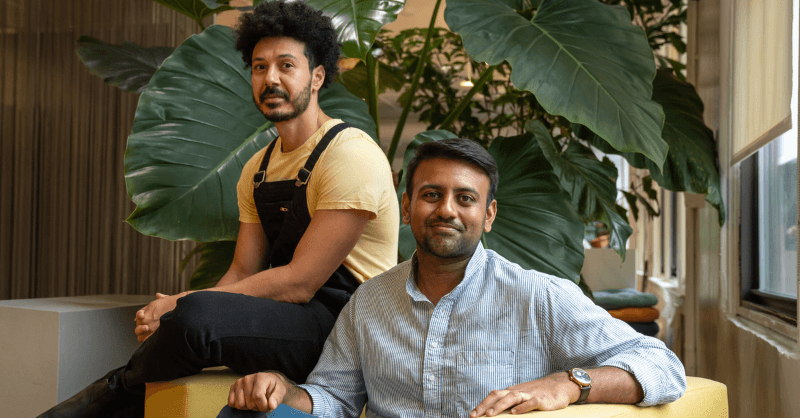
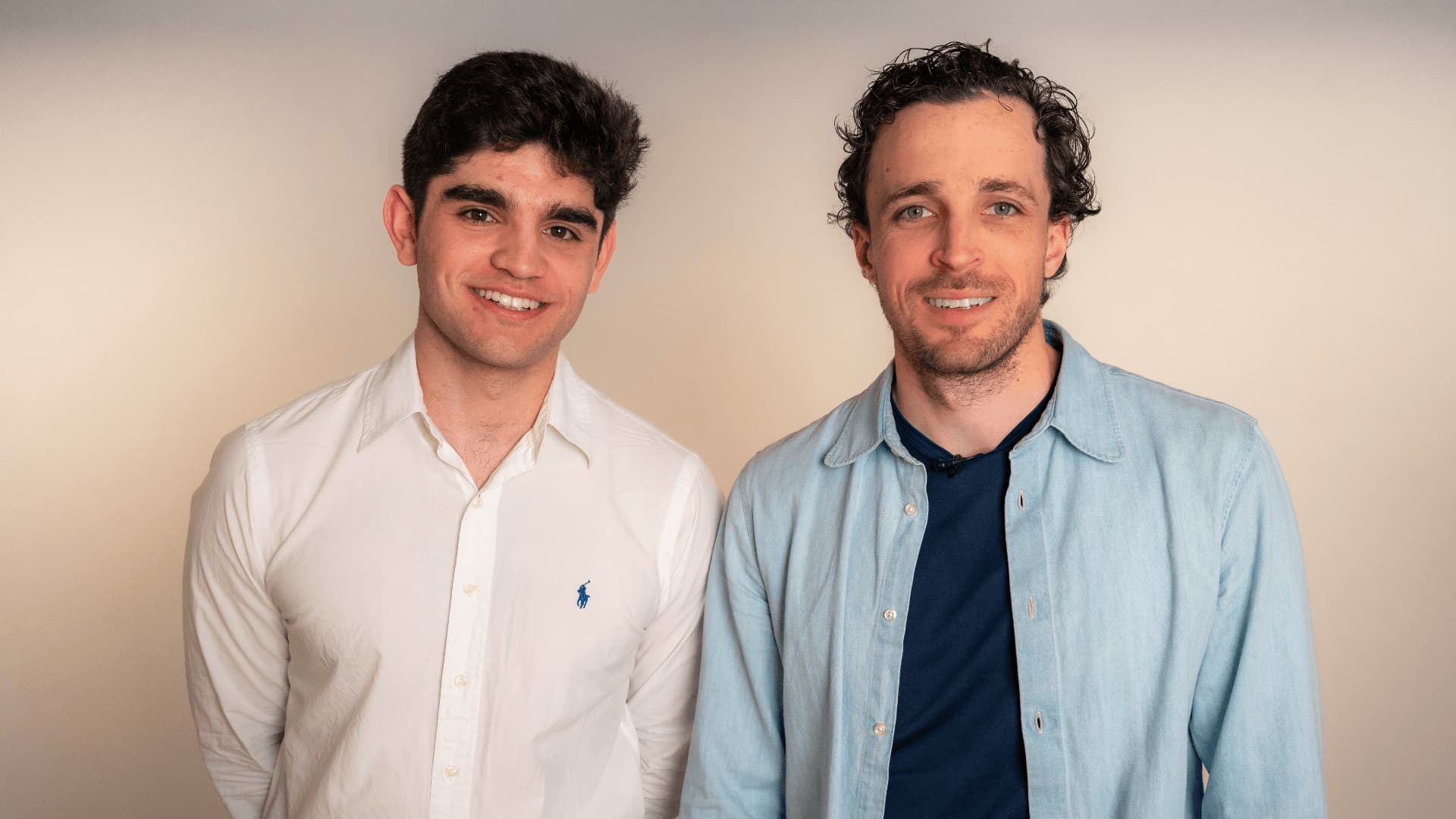
Galen Mead is 21. Devansh Pandey is 20. Together they lead a six‑person AI research company that just raised $75 million from Sequoia Capital and Spark Capital. Andrej Karpathy, the AI researcher who co‑founded OpenAI and led Tesla's Autopilot team, invested personally as an angel.
This is not a story about young founders who got lucky. It is a story about two people who met as teenagers at an AI alignment fellowship, concluded that AGI was arriving faster than institutions understood, dropped out of their undergraduate programs out of a genuine sense of urgency, and built a technical approach to a problem that the largest AI labs in the world have not yet solved well.
The problem is computer use. And their approach to solving it is fundamentally different from everything that currently exists.
What Computer Use AI Actually Means
Most AI interactions today happen through text or API calls. A user types a prompt. The model returns a response. The model never actually touches an application, navigates a file system, or interacts with a graphical interface the way a human does.
Computer use models are AI systems designed to interact with software through its visual interface, seeing a screen the way a human does and taking actions based on what they observe. This is the capability that Anthropic demonstrated with Claude's computer use feature, and that OpenAI has been building toward with its Operator product.
Standard Intelligence has developed a foundation model called FDM‑1 that is specifically optimized for computer use tasks. Those are tasks that require an AI to interact with an application via its graphic interface. According to Standard Intelligence, FDM‑1 can perform a wide range of activities ranging from scanning software for vulnerabilities to using computer‑aided design programs.
The technical differentiation is in how FDM‑1 was trained. Computer use models are typically trained on screenshots of humans interacting with applications. Those images have to be manually annotated with explanatory notes. Standard Intelligence trained FDM‑1 on video footage instead of screenshots.
Sequoia's write‑up captures what FDM‑1 can do: it is a general model that can extrude a CAD gear in Blender, drive a car around a San Francisco block after an hour of fine‑tuning, and find bugs in software by exploring its state space the way a curious human might.
That last example is the most commercially significant. Security researchers and vulnerability scanners currently use automated tools to identify known vulnerability patterns by searching for signatures. FDM‑1's approach, exploring a software system's state space the way a curious human would, can potentially discover novel vulnerabilities that signature‑based tools miss entirely, because it is not looking for patterns it has been trained to recognize. It is genuinely exploring.
The Atlas Fellowship and Why These Founders Are Different
Founders Galen Mead and Devansh Pandey met as teenagers during the Atlas Fellowship in 2022, a selective fellowship for high‑school students interested in AI alignment and AGI. Both founders are unusually serious about reaching AGI, and unusually conscientious about doing so safely. Both left their undergraduate programs out of a sense of urgency to work on this problem.
Sequoia's description of the founding pair is pointed: they have "taste, scrappiness, technical courage, and ambition" in a combination that the firm found unusually compelling. Taste, in this context, means something specific: the ability to make principled decisions about what to build and what not to build, and why certain technical approaches are more promising than others. In a field where many teams are building variations on the same ideas, founders with genuine taste for the problem architecture are rare.
The video‑training approach is a direct product of that taste. Training on video rather than screenshots preserves the temporal and causal structure of human computer interaction: how a person decides to click something, how they navigate between states, how they recover from errors. Screenshots flatten all of that into static images that lose the reasoning embedded in motion. FDM‑1's training on video is why it can do things like drive a car in San Francisco after one hour of fine‑tuning. It has learned how to learn from interaction, not just how to imitate snapshots.
The $75 million from Sequoia and Spark Capital will fund model development, compute infrastructure, and team expansion. At six people, Standard Intelligence is one of the smallest companies to receive this level of institutional backing in recent AI history. The bet is not on the team that is already there. It is on what that team is going to build.
Stay informed
Startup news in your inbox
Get important funding rounds, founder stories, and startup updates.
No spam - only important startup updates.