Musely Raised $360 Million Without Giving Away a Single Share. Here Is the Model That Made It Possible.

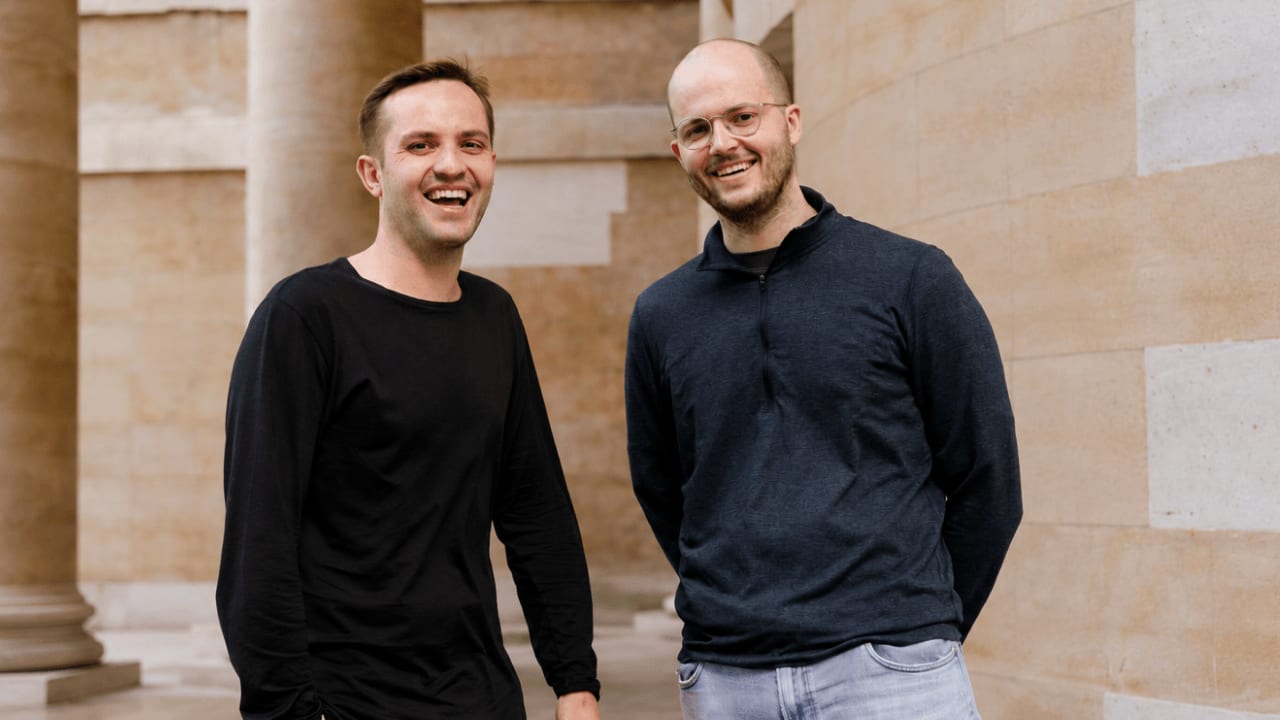
Jack Jia has been turning down venture capitalists for years.
Since raising $20 million from DCM and other investors in 2014, Jia has not accepted a single dollar of equity capital for Musely, the San Jose‑based telemedicine platform he co‑founded. Investors came to him repeatedly over that twelve‑year stretch. He consistently said no. Not because the business needed protecting from outside scrutiny, but because the business did not need the money badly enough to justify giving away ownership.
That changes today. Except it does not, quite.
On May 1, 2026, Musely announced it had secured over $360 million in capital from General Catalyst's Customer Value Fund. No equity was sold. No interest charges apply. The structure Jia accepted, after years of reflexively declining every overture from traditional venture firms, is something fundamentally different from either debt or dilutive equity.
The company specializes in compounded treatments for skin, hair, and menopause care. Jia told TechCrunch that when CVF investors reached out last year, he was not looking to raise capital. Musely has been cash flow positive for years. After raising the $20 million in 2014, the company has not raised a single dollar of equity capital since, according to Jia.
What convinced him was the math. Although Jia was initially skeptical, he quickly realized CVF's terms were more favorable than a standard bank loan and far less costly than a dilutive equity round. "When I mathematically modeled it, I found this absolutely compelling," he said.
How the CVF Structure Actually Works
General Catalyst's Customer Value Fund is not a venture fund in the traditional sense. It does not take equity stakes. It does not charge interest. Instead, it provides growth capital specifically for companies with proven product‑market fit, repayable from future revenue. The company receives capital immediately and repays it as revenue grows, without the permanent dilution of an equity round or the fixed obligation of a debt instrument.
The business logic of this structure is clearest when you understand the specific economics of DTC consumer health brands. Jia explained that acquiring new customers for DTC brands like Musely can be very costly. "When you become a billion‑dollar revenue company, you need another billion in order to grow to the next billion. That's why most of the DTC companies, if you look at the capital burn, it is huge."
The CVF solves exactly this problem. It provides the capital war chest required to fund customer acquisition at scale, without requiring founders to permanently sell down their ownership to pay for a growth phase that will be funded by the very revenue it generates.
The Musely transaction follows the same pattern General Catalyst used in 2025 for Grammarly, which raised $1 billion in non‑dilutive financing and would repay the capital from revenue rather than equity. KV Mohan, who co‑heads the CVF, has described the fund's strategy as designed to finance sales and marketing for companies that already have product‑market fit.
What Musely Has Built
The business that Jia built without outside equity over twelve years has genuinely earned the unconventional financing it has now received.
Key metrics from Musely's current commercial position:
- More than 1.2 million patients served through the platform.
- Revenue has grown an average of 50 percent year‑over‑year.
- Musely reached nine‑figure revenue, turned profitable, and dispensed millions of unique prescription treatments.
- The platform has expanded from two treatments in 2019 to 24 today.
- Consultations start at a $20 online doctor‑visit fee, making dermatology accessible at a price point that most traditional practices cannot match.
Musely allows patients to access prescription treatments through asynchronous consultations with board‑certified dermatologists and OB‑GYNs. Users complete a medical questionnaire, submit photographs of their skin or concern area, and receive a personalized prescription from a specialist, typically reviewed within 24 hours, delivered directly to their door. The model removes the two primary barriers to traditional dermatology care: time and cost.
The model is attractive in a market where growth companies want capital for marketing but are wary of constant down rounds and dilution. For the DTC health sector specifically, where customer acquisition is the primary variable cost and high retention from prescription‑based recurring treatments supports strong lifetime value, the CVF structure is almost perfectly suited to the growth profile of a company like Musely.
The $360 million will fund sales, marketing, and customer acquisition efforts, with the express goal of scaling the patient base into the next phase of growth. No equity changed hands. Jia's ownership remains exactly what it was the day before the announcement.
More at musely.com
Stay informed
Startup news in your inbox
Get important funding rounds, founder stories, and startup updates.
No spam - only important startup updates.
Comments
Text only. No links or images.
No comments yet.