Noon Raises $44 Million and Emerges from Stealth to Rebuild Product Design Around Live Code and AI
Editorial Team
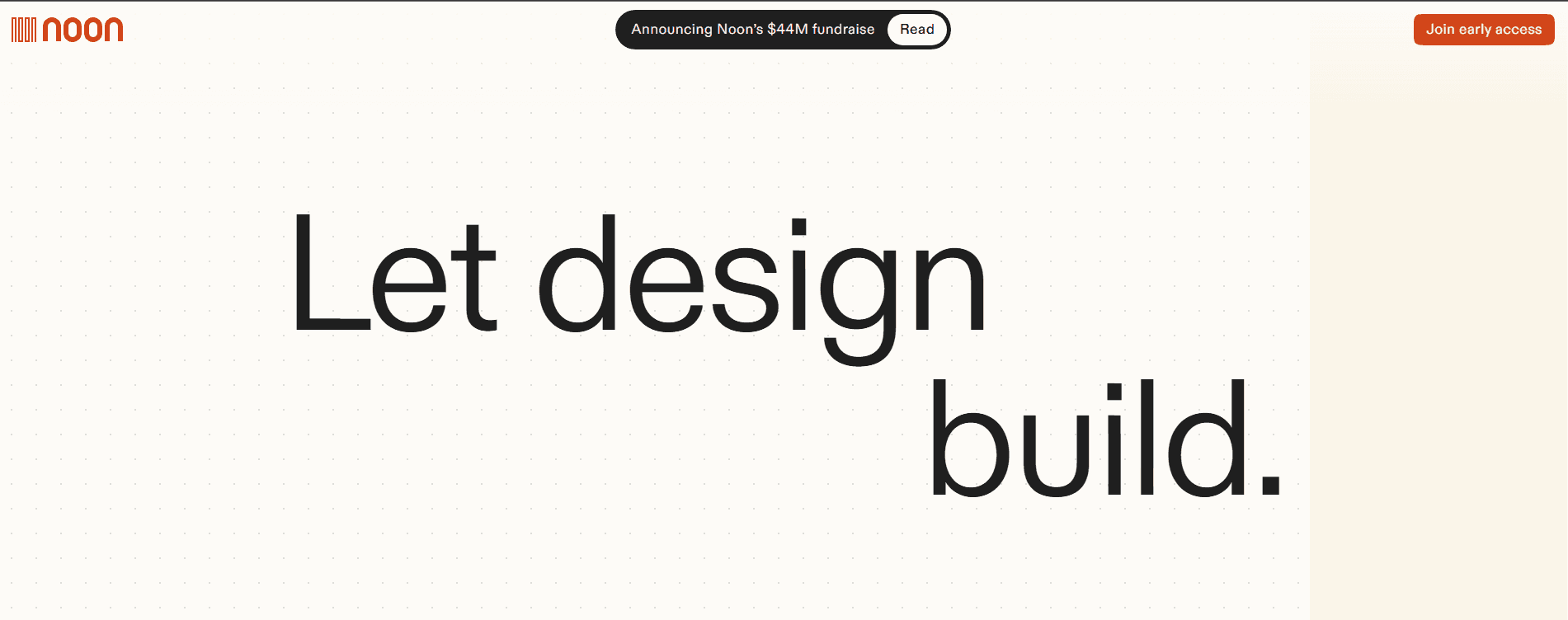
Noon, a San Francisco‑based AI‑native product design startup, has emerged from stealth with $44 million in funding, the largest stealth round for a design technology company ever recorded. The round was led by Chemistry, with participation from First Round Capital, Scribble Ventures, Elevation Capital, and Afore Capital. Individual investors include heads of design and senior leaders from Stripe, OpenAI, Microsoft AI, Apple, Meta, Perplexity, Canva, and Shopify, a cohort of design and engineering talent that serves as an unusually strong market signal about what the industry's most experienced practitioners believe is missing from the tools they use every day.
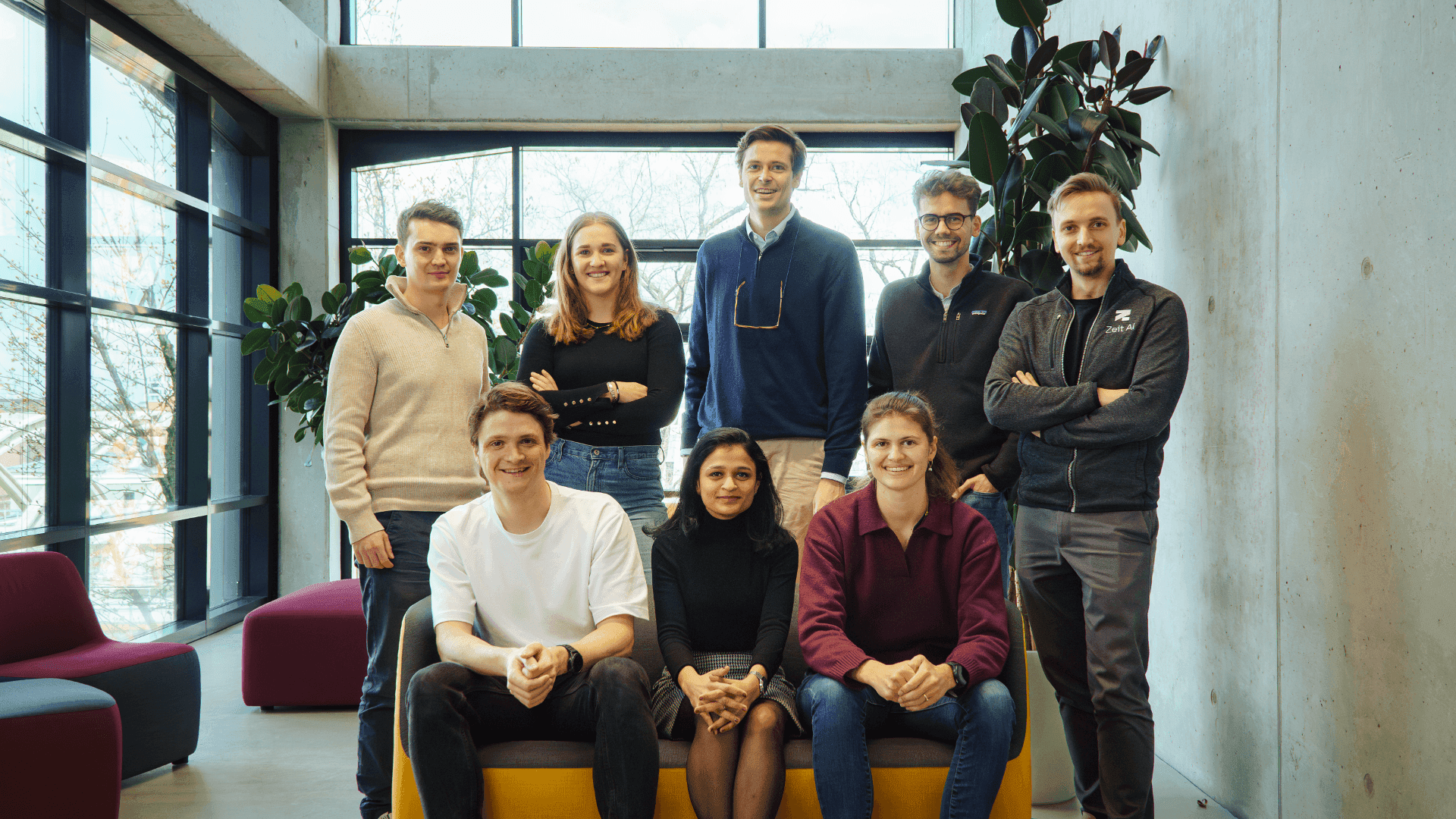
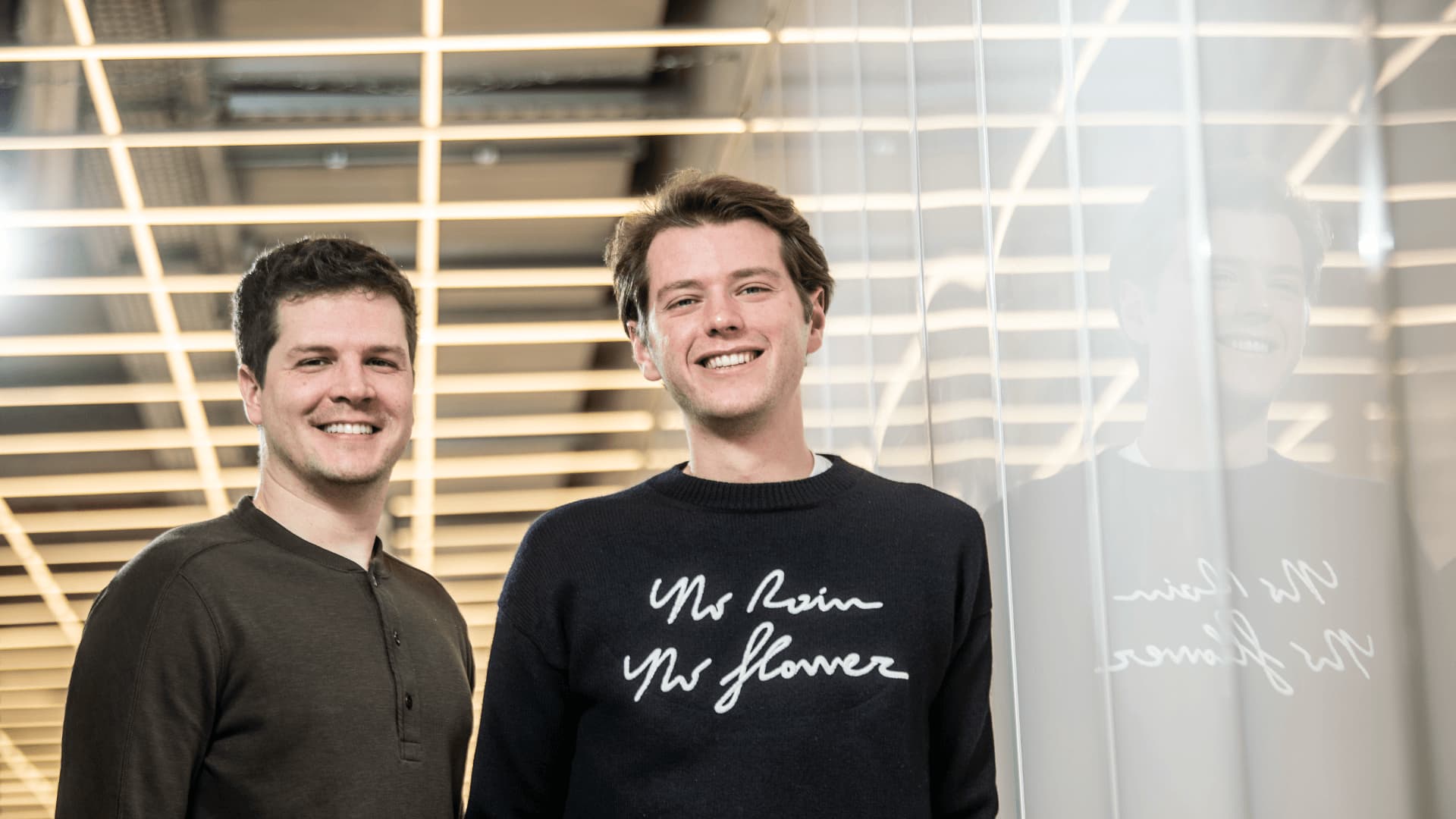
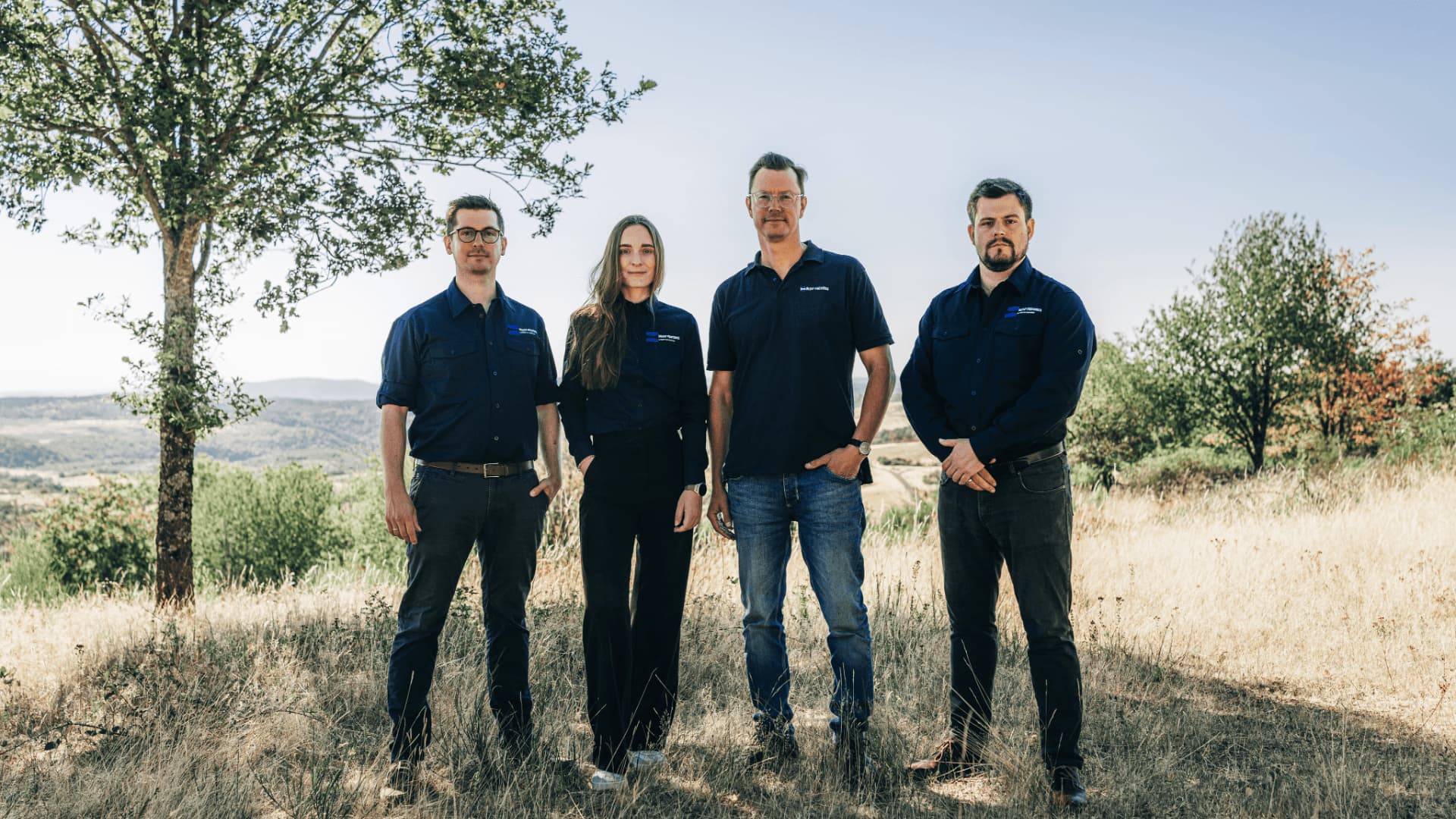
The company was founded in 2024 by Aditya Bandi and Kushagra Sinha, both second‑time founders with exits behind them. Bandi previously co‑founded Bookpad, a cloud‑based document technology startup acquired by Yahoo in 2014. Sinha co‑founded Jiny, which was rebranded as Leap and subsequently acquired by Whatfix, a SoftBank‑backed enterprise software unicorn. The team they have assembled at Noon includes engineers and operators from Google, Ramp, Vercel, Slack, Uber, PhonePe, Grab, Groww, and Replit.
The Problem That Has Existed in Product Design for Decades
The product Noon is building starts from a critique of how the entire category of design tools was conceived. Today's dominant design platforms, tools that teams across the technology industry use daily, are descended from graphic design software. They were built for creating static, visual output: images, layouts, posters. They are very good at that. The problem is that digital products are not static.
A software product responds to user input, holds state across sessions, transitions between screens, adapts to different device sizes, and evolves over time as features are added or removed. When a designer creates a flow in a conventional design tool, they are producing a visual representation of how the software should behave. An engineer then has to interpret that representation and translate it into code. This handoff is where things routinely go wrong.
The translation is imperfect almost by definition. The designer's intent and the engineer's interpretation diverge. Interactions get simplified, animations get dropped, edge cases get overlooked, and the thing that ships is measurably different from what was designed. Teams spend enormous amounts of time in review cycles trying to close the gap between the static design file and the live product. In many organizations, this gap is simply accepted as the cost of doing business between design and engineering.
Noon's argument is that the gap is not inevitable. It exists because the design tool itself is the wrong tool for the job. Rather than producing a picture of a product, a design tool should produce the product.
What Noon Actually Builds
Noon's platform is built directly on a team's existing codebase and design system. When a designer works on Noon's canvas, they are not manipulating visual representations of components. They are working with real components from the actual product, rendered live, in the state they exist in the codebase. Every screen, every interaction, every component on the Noon canvas is real code.
This architecture changes the nature of design work in several concrete ways. Designers can see exactly how their changes will look and behave in the actual product, not in a simulation of it. Engineers do not receive a picture to interpret; they receive a design that is already expressed in the language of the codebase. The handoff that previously consumed weeks of back‑and‑forth simply ceases to exist in its traditional form.
AI is woven throughout the experience to accelerate the repetitive parts of design work without displacing the human judgment that makes products good. The system is designed to respond in seconds rather than minutes, because in a workflow where speed and quality have historically been in tension, compressing the time cost of execution is essential to making AI feel useful rather than intrusive.
Aditya Bandi, co‑CEO, described the product philosophy plainly: "The thing you design should be the thing that ships. On our canvas, every screen, every component is real code from your own codebase. For the first time, designers and engineers are working in the same artefact, not passing pictures back and forth."
Kushagra Sinha, co‑CEO, added a dimension that matters enormously for how the product will actually be used: "Designers carry something irreplaceable — taste, craft, the instinct for when something feels right versus when it just works right. We built Noon to make sure those qualities don't get lost in the age of AI."
Why This Round Is Significant Beyond the Dollar Amount
The $44 million figure matters, but the composition of the investor group matters more. When the heads of design from Stripe, OpenAI, Apple, Meta, and Shopify invest in a design tool startup, they are making a professional bet, not just a financial one. These are people who have lived the problem Noon is trying to solve every day of their careers. Their participation signals genuine conviction that Noon has found a solution worth backing.
First Round Capital, one of Silicon Valley's most respected early‑stage investors with a portfolio that includes Uber, Square, and Figma, bringing its name to a design tool round is itself a signal. The fund backed Figma's predecessor category and understands the scale of market that design tool companies can reach when they get the product right.
Elevation Capital, a prominent India‑focused technology investor that has backed companies including Meesho, Cars24, and Urban Company, adds a strategic dimension. Both Bandi and Sinha have strong connections to the Indian technology ecosystem, and Noon's team includes engineers from Indian‑origin technology companies.
The funding will be deployed primarily toward product development and scaling distribution as Noon opens access to design teams in the coming weeks after operating in early access.
What Noon Represents for the Design Tool Market
The broader design tool market has not seen a truly disruptive new entrant at this scale since Figma emerged to challenge Adobe. Noon is not claiming to be the next Figma. It is claiming to be something different: the first tool that starts from what products actually are, code that behaves, rather than what they look like.
Whether that framing resonates with the market will be visible very quickly once Noon opens general access. Design teams at fast‑moving technology companies are acutely aware of how much time they lose to the translation gap. If Noon genuinely eliminates that gap, the product will sell itself.
Official Sources: Noon
Stay informed
Startup news in your inbox
Get important funding rounds, founder stories, and startup updates.
No spam - only important startup updates.