The London HR Startup That Wants to Replace Your Recruiter With an AI Agent Just Raised $8 Million
Editorial Team

Recruiting is one of the most labor‑intensive workflows in any organization. Sourcers search job boards. Recruiters screen hundreds of CVs. Background verification teams coordinate with universities, former employers, and criminal record databases across different countries. Each step runs through fragmented tools, different vendors, and manual coordination that can stretch over weeks. For every hire that gets made, the back‑office cost is staggering.
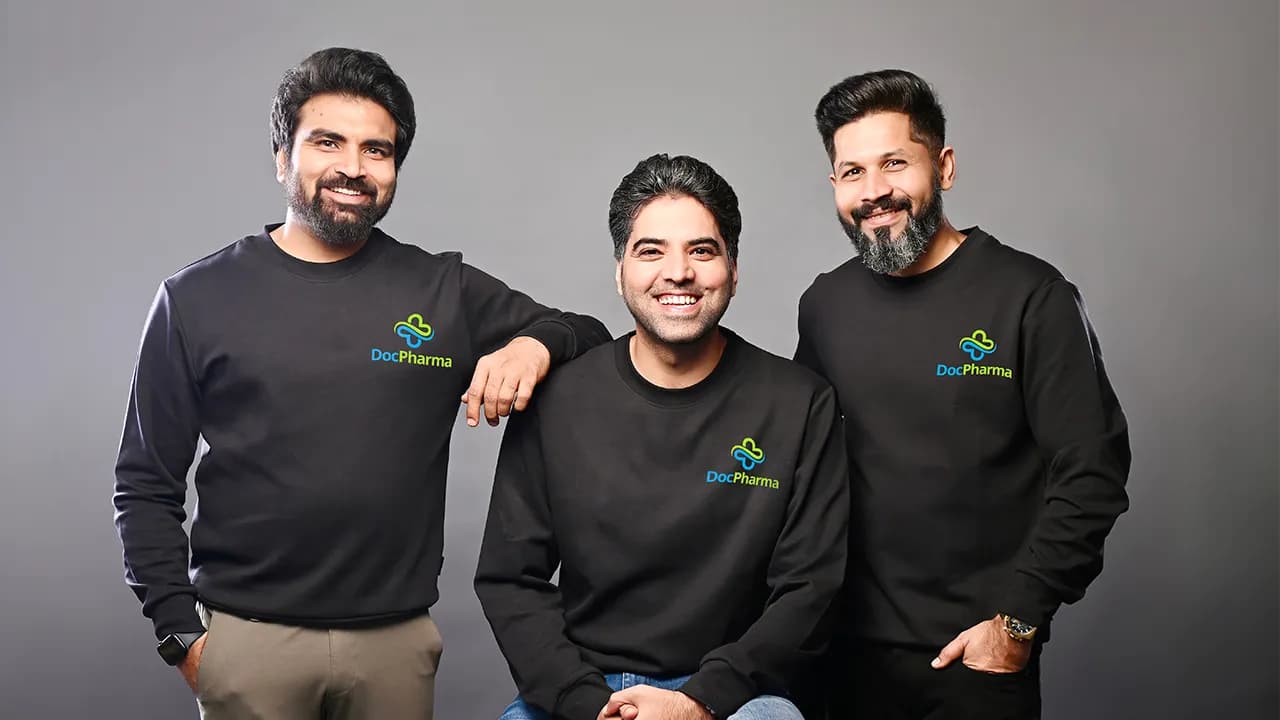
TraqCheck, the London‑based HR tech startup founded by Jaibir Nihal Singh, Armaan Mehta, and Rishabh Jain in 2020, has built its business on the argument that all of this should be handled by AI agents, not humans with dashboards. On April 14, 2026, the company announced it had raised $8 million in a Series A round led by IvyCap Ventures, with participation from IIFL. The capital takes TraqCheck's profile from a quietly building startup to a funded challenger with the resources to take on Europe's enterprise recruitment infrastructure market.
The founding team runs deep. Before co‑founding TraqCheck, Jaibir Nihal Singh worked across product and operations roles in the HR and verification space. Armaan Mehta brings commercial architecture experience. The company's previous backers include Peyush Bansal, the co‑founder of Lenskart, and Alok Oberoi, the former Goldman Sachs executive and current Everstone Capital chairman, who co‑led a pre‑Series A round through Caret Capital. That combination of fintech, consumer‑tech, and investment‑banking endorsement creates an interesting signal around where TraqCheck is positioned in the market: not a niche background‑check vendor, but a horizontal enterprise workflow company with serious institutional credibility.
The platform currently operates through two core products:
- Trace is an automated background verification agent that handles criminal record searches, education verification, identity checks, and employment history confirmation without human coordination between steps. For enterprises with large hiring volumes, the compounding time and cost savings are significant.
- Nina is a conversational sourcing agent that identifies, outreaches, and qualifies candidates through natural language interaction. Rather than recruiters writing Boolean search strings in LinkedIn Recruiter and sorting results manually, Nina conducts the entire sourcing workflow from role definition to shortlist.
What makes TraqCheck's positioning interesting is its explicit rejection of the dashboard model. Singh has been direct about this: "Recruiting has been stuck in search interfaces and fragmented tools for two decades. Agents change the interface entirely. Instead of navigating software, you simply tell an AI what role you want to hire for and the system executes the entire workflow. We are building systems that collaborate and make decisions, not just tools that display information."
That is not marketing language. It is a genuine architectural claim. Most enterprise HR software, even the AI‑enhanced variety, is still fundamentally a set of screens that humans navigate to take actions. TraqCheck's agents are designed to take those actions themselves, with humans reviewing outcomes rather than managing processes. Singh believes HR will be one of the earliest enterprise categories to reach full operational automation because the workflows, while complex, are well‑defined and highly repeatable.
The commercial evidence for this thesis is already visible. TraqCheck claims nearly 300 enterprise customers across India and Europe, a figure that represents meaningful revenue traction for a company raising its Series A. The India footprint is the original market, built on the country's growing need for scalable background verification across a young, mobile workforce. The European expansion, which the $8 million is specifically earmarked to accelerate, adds a market where compliance requirements around employment verification are more complex and where the commercial value of getting background checks right is correspondingly higher.
IIFL's fund manager Mehekka Oberoi framed the investment with precision: "TraqCheck is not layering intelligence onto legacy HR software but replacing it altogether. The Human Operating System thesis resonates with us deeply: as agentic AI moves from experimentation to production in enterprise environments, companies like TraqCheck that own the full workflow stack, sourcing, screening, verification, are positioned to become category‑defining infrastructure."
The category is getting increasingly competitive. TurboHire, another IvyCap‑backed company, raised $6 million last year for agentic AI in enterprise recruitment. HireBound recently raised $2 million for a seed‑stage agentic recruiting engine. The consolidation of this market will likely favor platforms that own the broadest slice of the hiring workflow, making TraqCheck's end‑to‑end architecture, from sourcing through verification, a structural advantage over point solutions.
For enterprise buyers evaluating HR automation in 2026, the distinction that matters is not whether a vendor uses AI. It is whether their AI actually reduces headcount requirements on the hiring team or simply makes existing headcount marginally more efficient. TraqCheck is betting its next phase of growth on enterprises who have decided they want the former.
More at traqcheck.com
Stay informed
Startup news in your inbox
Get important funding rounds, founder stories, and startup updates.
No spam - only important startup updates.