Gradient Emerges From Stealth With $4M to Run an AI-Powered Accounting Firm for US Startups

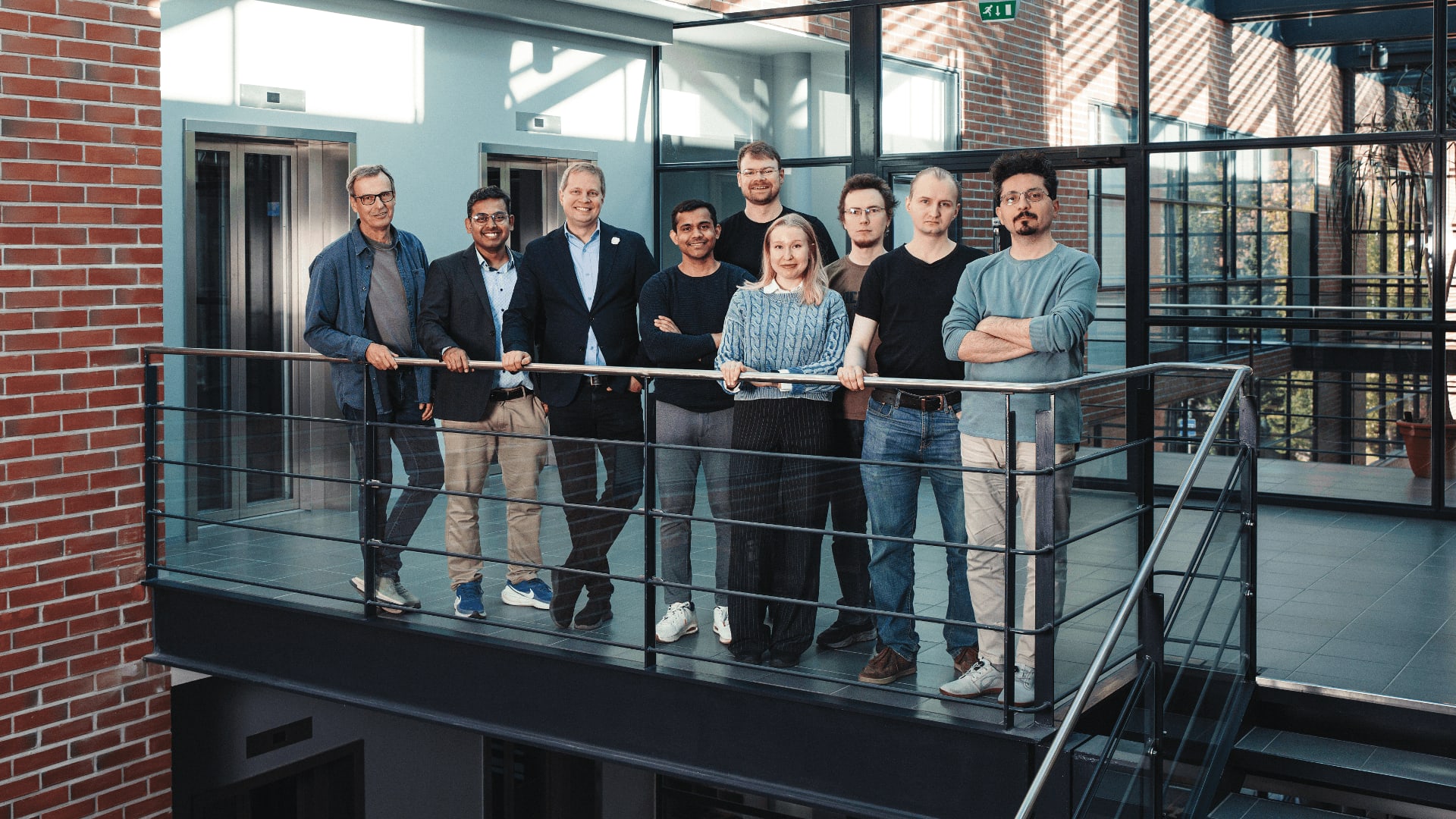
Gradient co-founder Rohan Krishan, Alexandre Sauvage, and CTO Arthur Himmel
Image credit: Gradient
Gradient, an AI‑native accounting firm for US startups, has come out of stealth with $4 million in pre‑seed funding. The round includes VentureFriends, Acadian Ventures, TinyVC, Heartfelt and Kima Ventures. The company, founded in 2026, will use the money to continue building its operating model and to win customers.
Unlike many accounting startups, Gradient does not sell software for accountants or finance teams to adopt. It operates as a full‑service firm that handles a startup's accounting, bookkeeping, taxes and compliance, with AI doing most of the internal work and licensed CPAs taking responsibility for the output.
Gradient says it can close a customer's books the same day, give expert answers in under five minutes and prepare tax returns within two days, with returns signed by licensed US CPAs. Customers pay a fixed monthly fee, and the firm's systems run continuously instead of only at month‑end.
The company keeps its AI behind the scenes. "Founders always interact with real experts, never AI," co‑founder Rohan Krishan said. After speaking with founders at Y Combinator and other venture‑backed companies, Krishan concluded that the problem was rarely the general ledger software, such as QuickBooks. "It's the people who would use it," he said.
AI takes on the work that would otherwise require a large staff, which leaves CPAs to focus on outcomes and customer service. Companies backed by a16z, Y Combinator and Liquid 2 Ventures already use the service, and Gradient says it has reconciled more than $40 million.
Krishan met co‑founder Alexandre Sauvage on their first day of university. Sauvage was the first person hired at Easop, the equity‑management startup that Remote later acquired. Chief technology officer Arthur Himmel worked with Krishan at Alan, the Paris‑based health insurtech. The team currently has seven people.
Krishan said the US accounting services market offers room to build a very large technology‑enabled services company. "We're tackling one ambitious question: How do we build a company generating $100M in annual revenue in just a few years?" he said. The service is focused on US startups for now, and the stated ambition is broader: to build the professional‑services firm of the AI era.
Pavlos Pavlakis, a partner at VentureFriends, described accounting as a massive market whose operating model has barely changed in decades, with billable hours, month‑end crunches and founders left waiting. "Gradient flips that with an always‑on, flat‑fee service where AI handles execution and CPAs handle accountability," he said. He added that the team is building an AI‑native firm from the ground up rather than pushing accountants to adopt AI tools.
The pre‑seed capital will go towards improving the company's internal technology and efficiency and towards broadening services beyond bookkeeping, tax handling and compliance. Gradient also plans to add customers.
Automation‑led accounting has had a troubled record. Bench, which raised $113 million, ceased operations on December 27, 2024. Gradient's approach differs in that customers deal with accountants and not with an automated interface, a choice Krishan ties to trust.
Gradient is one of several companies applying the same model to professional services. This year, Moritz raised $9 million for an AI law firm, Repodo raised €8.2 million for an AI audit firm and Fearn raised $5.5 million for an AI‑native patent firm for startups.
In accounting and tax software, Skalar raised €12 million, Neno raised €6.6 million and Integral raised €18 million. Basis, which supplies AI agents to established accounting firms, raised $100 million at a $1.15 billion valuation.
Staffing is one pressure on the industry. The number of accounting graduates in the United States is at a 20‑year low. Separately, Precedence Research expects the global tax technology market to grow from $20.78 billion in 2025 to $60.66 billion by 2034.
Gradient's website describes the firm as one place for books, taxes and compliance, run by seasoned CPAs who handle judgment calls while technology handles repetitive work. It says that split is what keeps pricing predictable.
Topics
Sources
Stay informed
Startup news in your inbox
Get important funding rounds, founder stories, and startup updates.
No spam - only important startup updates.
Comments
Text only. No links or images.
No comments yet.