Holo Secures €5M Seed Led by Market One Capital as 20,000 Small Businesses Hand Their Marketing to AI

Holo, an AI marketing platform based in Vilnius, has raised 5 million euros in seed funding to bring automated marketing to small businesses. Market One Capital led the round, with Silicon Gardens, FirstPick, Leonis Capital, NGL, and Tekton Ventures taking part alongside several business angels.
The company says more than 20,000 businesses in over 100 countries now pay for the product. That is a large base for a company founded as recently as 2025, and it points to strong early demand from a customer group that has long been underserved by marketing technology.
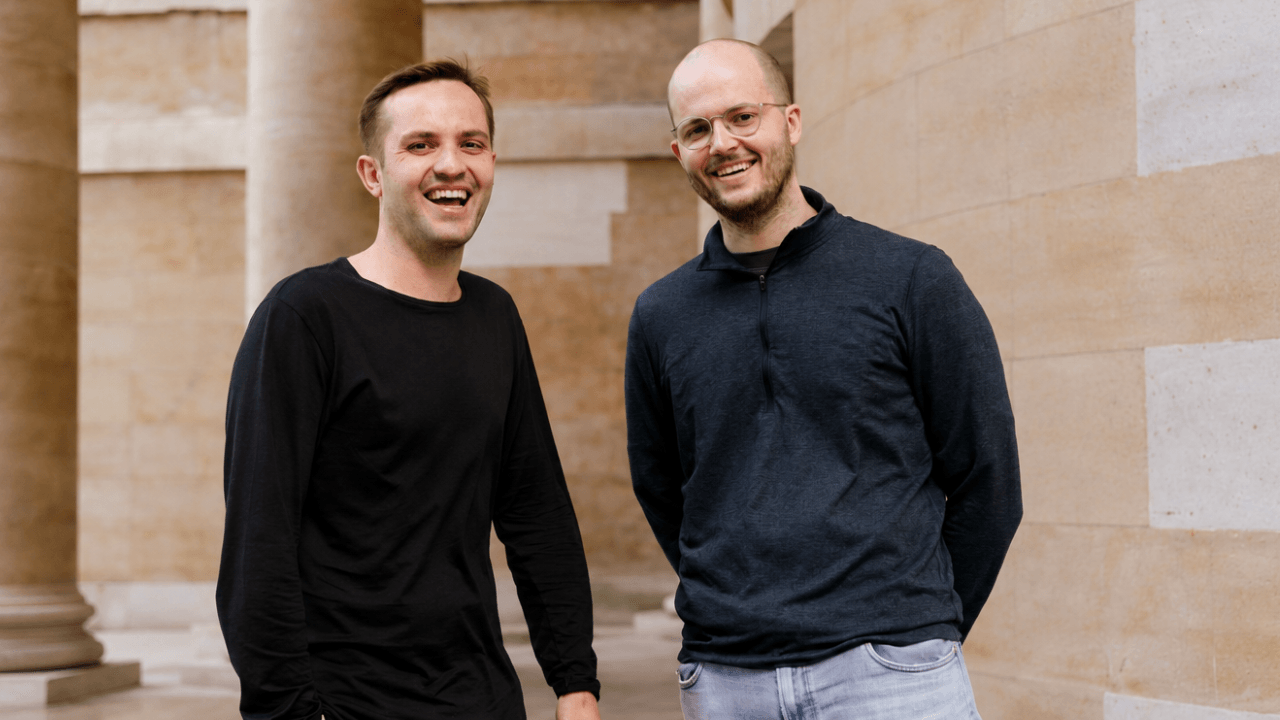
Deividas Kovger and Aleksandras Urbanavicius started Holo in Vilnius. Kovger leads product development, while Urbanavicius is responsible for growth. Their backgrounds match the product. Urbanavicius worked in paid advertising and growth strategy before the launch, and Kovger built email marketing operations for consumer brands and wrote marketing software. Between them, they know both the work that marketers do by hand and the tools that are supposed to help.
The problem Holo targets is familiar to anyone who has run a small shop, restaurant, or service business. Owners are skilled at what they sell but rarely want to spend evenings writing posts, building ad campaigns, or deciphering dashboards. Urbanavicius says almost none of the owners he meets started a company to do marketing, and that paying customer numbers show they are ready to hand the job over. Many cannot afford an agency or a full‑time hire, so marketing tends to be sporadic, and campaigns that start with good intentions fade after a few weeks.
Holo tries to replace that patchwork with a single system. The platform first learns what a business sells, how its brand looks, and how it talks to customers. It combines that information with the owner's goals to propose a marketing plan, setting out which channels to use, which campaigns to launch, and which activities to put first. It then carries the plan through to execution, creating content and managing campaigns in the same place.
Automation is a central feature. Owners can switch selected tasks to run on their own, so campaigns continue without needing approval at every stage. Holo also tracks how campaigns perform and uses the results to recommend changes to future activity. In effect, the product behaves like a junior marketing team that plans, produces, publishes, and reviews, while leaving the owner in charge of the budget and the final say.
Under the hood, the company combines third‑party AI models with its own technology. That is a pragmatic choice. Building a large language model from scratch would be expensive and unnecessary for a company whose value lies in how it applies models to a specific job. Holo's proprietary layer is where it keeps brand context, campaign logic, and the feedback loop between results and plans. As general‑purpose models improve, the platform can adopt them without rebuilding its core.
The funding will be spent in three directions. Holo plans to deepen its marketing autopilot capabilities, reach more small businesses, and expand its team in Vilnius. Keeping hiring in Lithuania fits a wider pattern in the Baltic region, where compact, technically strong teams have built global software products for customers far from home. Selling to more than 100 countries from a single base is only practical when the product is largely self‑service.
Investors appear to see the small business segment as a large and slow‑moving market. Millions of small companies worldwide pay for advertising and content, and most still rely on a mix of free design tools, social media schedulers, and guesswork. A platform that handles the whole cycle for a monthly subscription has an obvious appeal, provided it delivers measurable results.
That condition is where the pressure lies. Marketing output from AI can look generic if it is not grounded in a specific brand, and small business owners will notice quickly if posts sound off or if campaigns burn through budget without producing customers. Trust in autonomous spending is another hurdle, since handing control of an ad account to software is a bigger step than asking it to draft a caption. Clear limits, easy overrides, and honest reporting will matter as much as the underlying models.
Competition is also growing. Large advertising platforms are adding their own automated campaign tools, design software companies are adding AI marketing features, and several startups are chasing the same small business customer. Holo's advantage is breadth, covering planning, content, execution, and optimisation together, along with a customer base that can feed data back into the product. Over time, that data on what works for which kind of business could become a meaningful edge.
For now, the numbers suggest the product is finding buyers. A seed round of 5 million euros gives the founders room to refine the autopilot, test how much of the marketing cycle owners are willing to automate, and prove that retention holds as the novelty fades. If it does, Holo could become one of the more visible examples of AI quietly absorbing a task that small businesses have always struggled to do well.
Topics
Stay informed
Startup news in your inbox
Get important funding rounds, founder stories, and startup updates.
No spam - only important startup updates.