
Scarlet Secures $50M Series B Led by Headline to Shorten the Wait for Medical AI Approvals
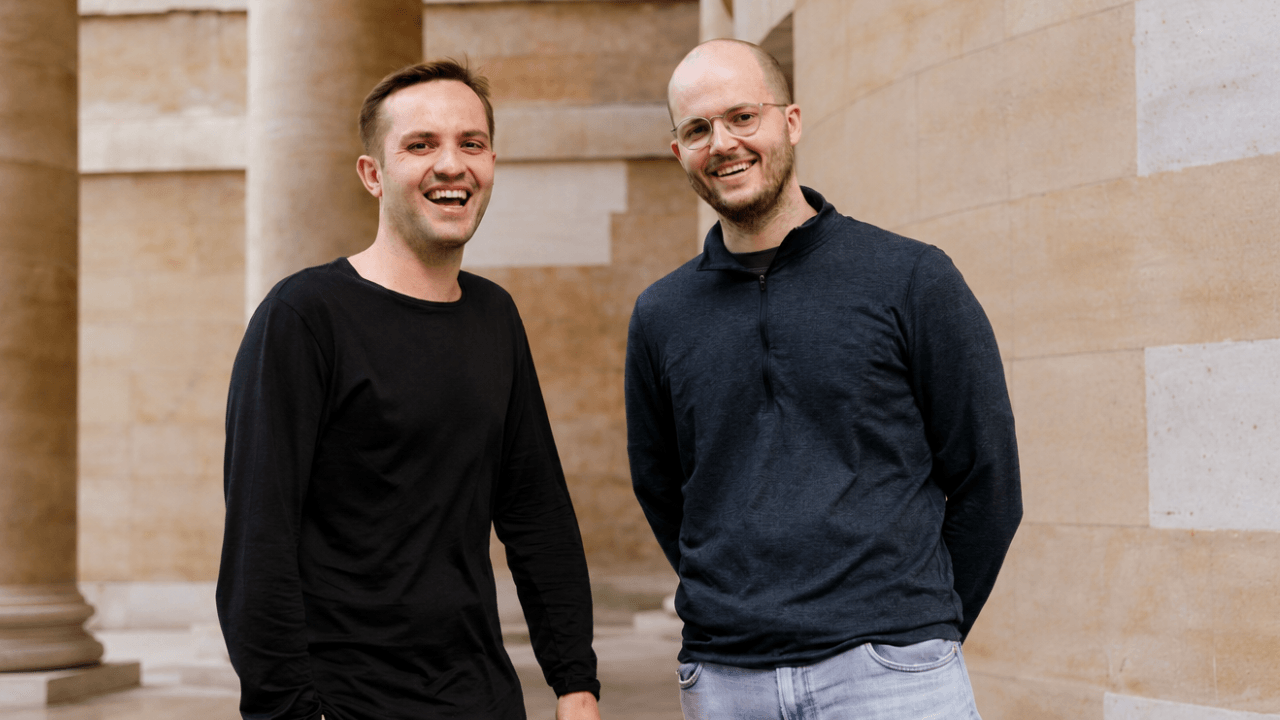
Scarlet ceo Tomas Sabatier
Image credit: Scarlet
Scarlet, a London company that certifies AI and software‑based medical devices, has raised $50 million in a Series B round led by Headline. The money is meant to speed up regulatory approval for a product category that is being built far faster than it can be reviewed.
Notion Capital came in as a new investor, while Atomico, Creandum, Kindred Capital, and Entrepreneurs First, all existing backers, took part again. Nancy Xiao McLaughlin, a partner at Headline, joins the board. Valuation was not disclosed. The round follows a $17.5 million Series A led by Atomico in June 2024 and a seed round of 6 million pounds led by Creandum in August 2022, which puts total funding at roughly $75 million.
The gap Scarlet is going after is easy to describe. A team can train a diagnostic model in a matter of weeks, then sit through an assessment that the company says runs 12 to 18 months. Even a minor update to a product that is already approved can add another six to eight months. For software that is meant to improve continuously, that rhythm defeats the point, and patients are the ones who wait.
James Dewar and Jamie Cox founded Scarlet in 2021 after working on medical AI at Babylon Health. Before the company could issue a single certificate, it spent its first three years working with regulators to earn the right to do so. Today it holds designations as an EU notified body, a UK approved body under the MHRA, and a third‑party review organisation recognised by the US Food and Drug Administration.
Roughly 52 organisations are designated under the EU Medical Device Regulation. According to Scarlet, it is the only one that specialises in software and AI. Established names such as BSI, TUV SUD, and DEKRA certify products across many categories, but none of them is built around the way machine learning products are developed and updated.
The process starts with customers uploading technical documentation to an AI‑enabled platform in whatever format they already have. Qualified human reviewers then assess the submission against the relevant regulations and issue a decision on whether the product can reach the market. Pricing works on a subscription basis that covers ongoing surveillance, annual audits, and product changes, rather than charging a fresh fee each time something is modified. Every finding is documented with evidence, so regulators can trace the reasoning behind any decision whenever they choose to look.
The customer list shows where the demand sits. Flo Health, the women's health app with more than 500 million downloads, is on it. So are the US radiology group DeepHealth, NHS England, the skin cancer detection company Skin Analytics, and the AI scribe makers Heidi Health and Tandem Health, both of which recently announced large Series B rounds of their own. Flok Health, which runs an AI physiotherapy clinic, is another. Its chief executive, Finn Stevenson, said the company wants to release upgrades "twice a month" and can do that with Scarlet, a cadence that would be hard to imagine under a conventional review cycle.
Dewar framed the mission around time. Every day that safe and effective technology stays out of reach, he said, changes someone's life, and the company is building AI‑native certification to help customers reach patients worldwide. McLaughlin described the team as fast, consistent, thorough, and rigorous, qualities she said can look contradictory, and argued that Scarlet makes regulation work alongside innovation instead of against it.
The funding will be used in three ways. Scarlet plans to expand in the United States and Asia‑Pacific, grow its roster of expert AI reviewers and engineers, and broaden the range of certification services it offers. The US push builds on its existing FDA recognition. The company has not shared its current headcount.
There is a reason investors are paying attention now. Large language models and computer vision systems are moving into clinical documentation, imaging, triage, and consumer health, and every one of those products needs a regulatory decision before it can be sold. Reviewer capacity is the bottleneck, not model development. A certification body that applies software tooling to its own review workflow, while keeping qualified people in the decision seat, is a direct answer to that constraint.
The harder questions sit ahead. Scarlet earns its revenue from the manufacturers it assesses, so its credibility depends on being willing to say no, publicly if necessary, to a paying customer. Growing the reviewer pool at the same pace as the customer base without loosening standards is difficult, and each new region brings its own rules, which means an EU designation does not simply carry over. Regulators will also keep a close eye on whether faster approval stays consistent with patient safety.
Topics
Sources
Stay informed
Startup news in your inbox
Get important funding rounds, founder stories, and startup updates.
No spam - only important startup updates.