London's Affinity Labs Bags $2M Pre-Seed to Co-Build AI Software Brands With Online Creators
Affinity Labs, a London startup that builds software brands in partnership with online content creators, has raised $2 million in pre‑seed funding. Fuel Ventures led the round with participation from Antler. The company also received a 497,787 pound grant from Innovate UK, part of UK Research and Innovation, and picked up angel backing from people at Google DeepMind, Meta, and Playfair VC.
Other individual investors include Christian Arnstedt of Blazar Capital, Ryan Nelson of JOBI Brands, and Quentin Jayat of easyJet. Part of the money, including the grant, will go toward the company's AI‑powered product development technology. The rest will fund a larger portfolio of creator‑led brands, support for products already live, and hiring across product, growth, and engineering.
The idea behind Affinity Labs borrows from a path that creators have already walked in other industries. Plenty of people with large online followings have turned their audiences into beauty labels, food companies, and drinks brands. Software has been slower to follow, mostly because building and running a product takes engineers, design, infrastructure, and months of work that most creators have no interest in managing. Affinity Labs offers to carry that load. It co‑founds each product with a creator, who brings the audience and distribution, while the company supplies the technology and day‑to‑day operations.
At the center of the model is what the team calls its AI factory, a proprietary system that automates stages of the product lifecycle. It helps identify promising software concepts and suitable creator partners, then supports building, operating, and scaling each product. Shared infrastructure sits underneath, so each new brand does not start from zero. The stated aim is to cut the time and resources needed to run many software brands at once.
Edoardo Ricci, chief executive and co‑founder, argues that creators are the most underleveraged founders in the world. His reasoning is that AI is turning software into something close to a commodity, which makes the ability to reach customers more valuable than the ability to write code. Creators have already proved they can gather and hold an audience, so the natural next step is for them to own the products that audience uses. Ricci compares the company's ambition to Bending Spoons, the Italian group known for buying and running a large portfolio of apps with a central engine, except that Affinity Labs builds new brands with creators rather than acquiring old ones.
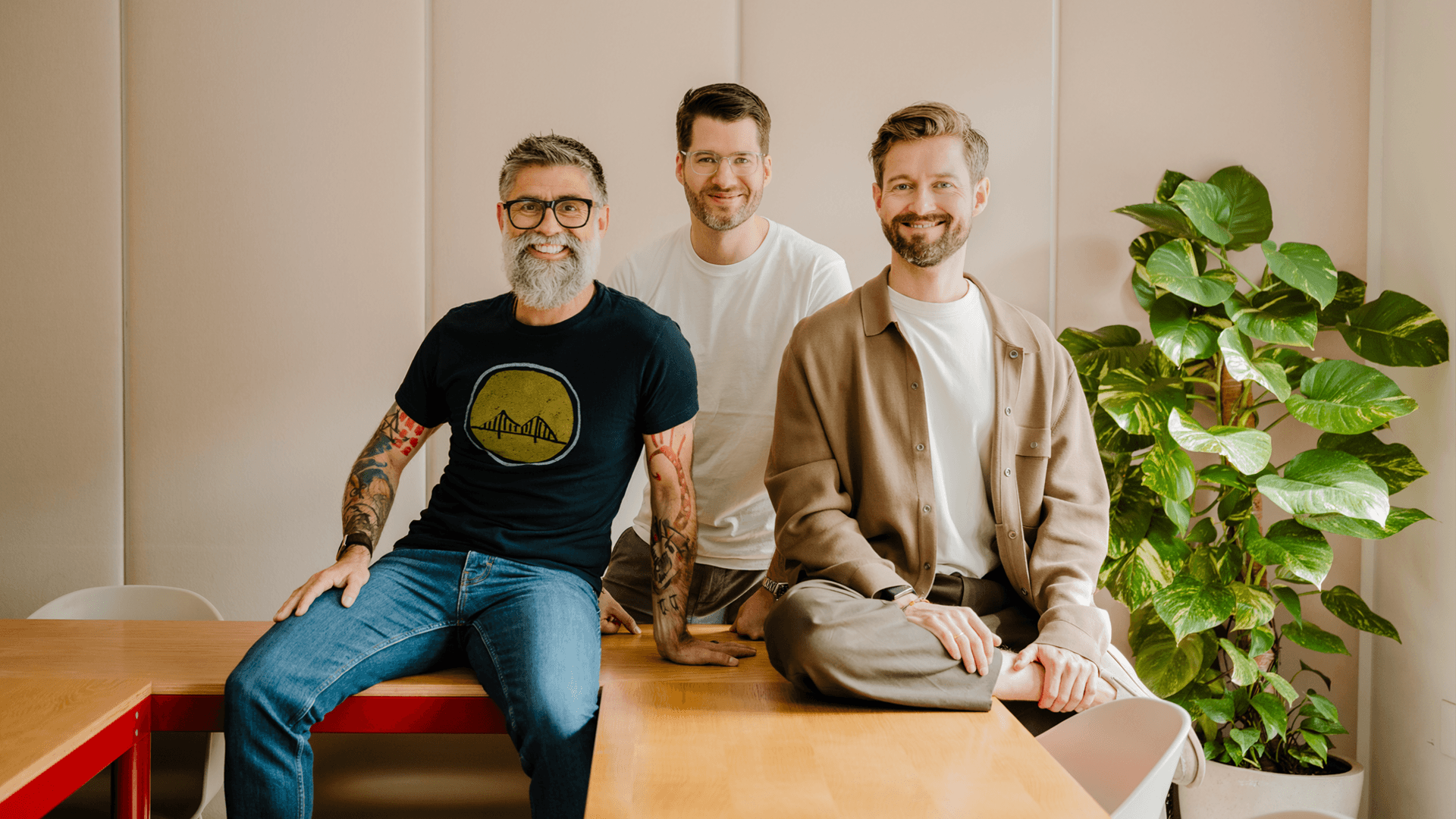
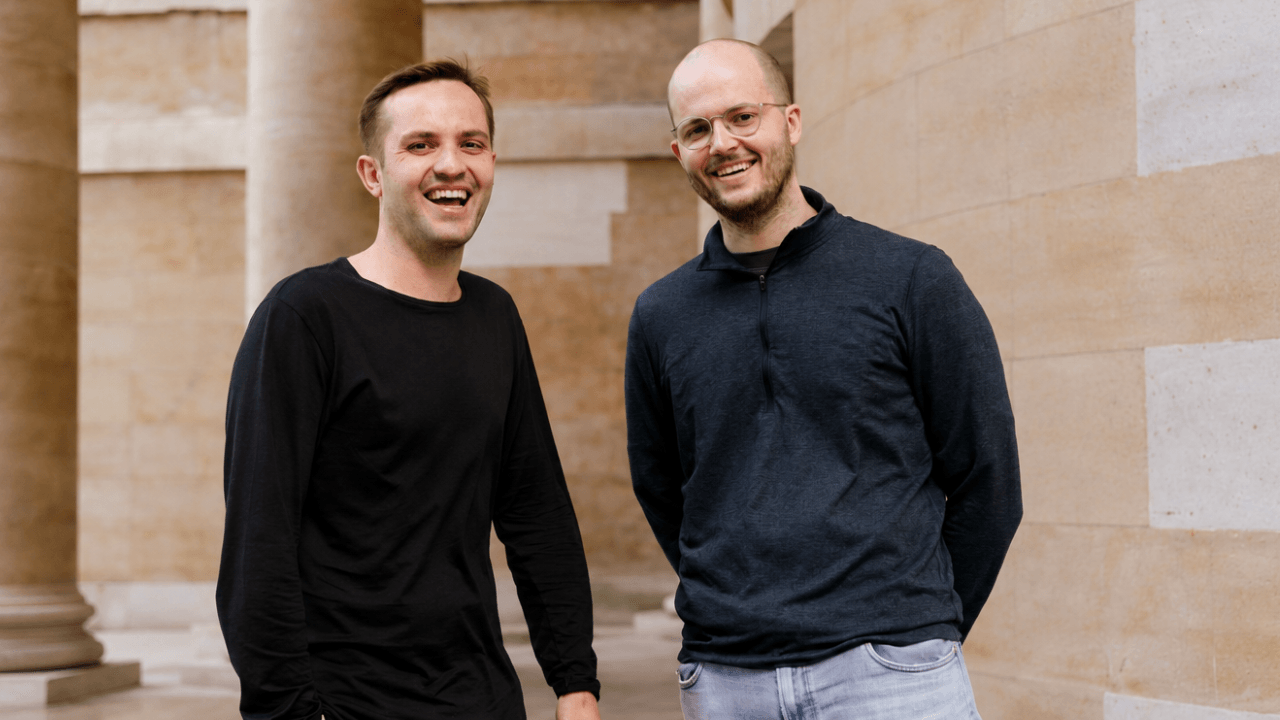
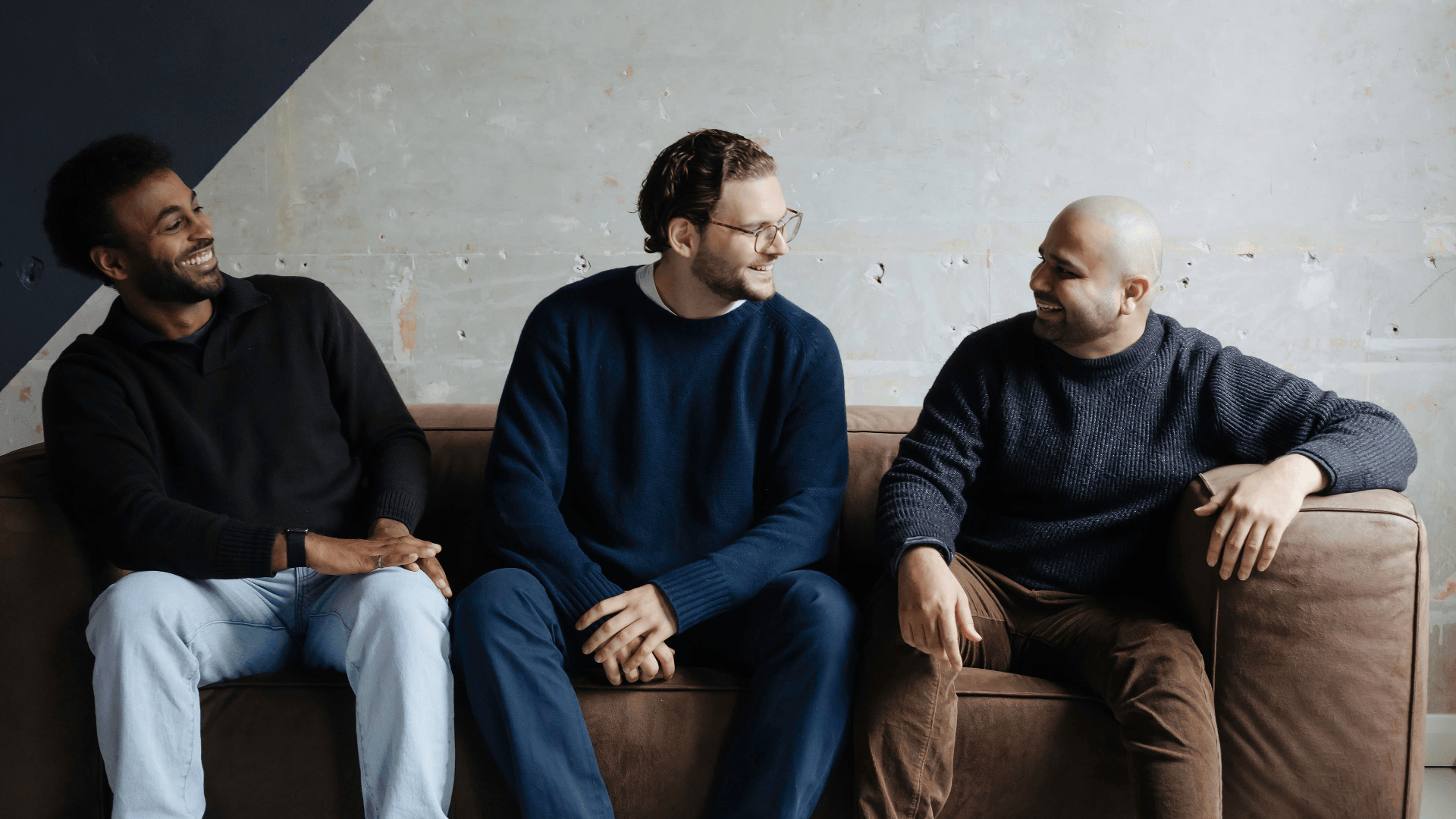
The company was founded by Ricci, chief operating officer Ahmed Eltom, and chief technology officer Sunny Panchal. It has launched four creator‑led brands so far. According to the company, revenue across that portfolio has grown by an average of 100 percent month on month over the past three months. That figure comes from the company and covers a small base, so it is better read as an early signal than a settled trend. Still, doubling each month from a low starting point is the kind of curve that investors look for at pre‑seed.
Expansion plans are specific. Affinity Labs expects to launch its first products with US creators in late 2026, which would give it access to the largest creator market in the world. Its longer‑term target is to build more than 200 creator‑led software brands by 2030. Reaching that number would require the AI system to do most of the heavy lifting on product creation, since a team of a few dozen people could not hand‑build hundreds of products.
The backers reflect where the company sits. Fuel Ventures is known for early bets in the UK, and Antler runs a global programme that helps founders form teams. Angels from Google DeepMind and Meta bring technical and consumer product experience, which suits a company that wants to combine AI engineering with social distribution.
There are real questions to answer. Software products need ongoing maintenance, support, and updates, and a creator's audience will only stay loyal if the product works well. A brand tied closely to one personality can also be fragile if that creator changes direction or loses attention. The economics of splitting ownership between a creator and a central company will matter too, since the best creators have plenty of options and can negotiate hard. Platform risk is another factor, as many creator audiences live on social networks that can change their rules or algorithms with little notice.
Competition may come from several sides. App studios, creator‑focused agencies, and no‑code tools all offer a piece of the same puzzle, and large platforms are building their own creator monetisation features. Affinity Labs is betting that a full‑stack approach, covering concept, build, operation, and growth, will prove more attractive than any one of those pieces on its own.
The wider backdrop helps the pitch. Generative AI has made it cheaper and faster to produce working software, and investors are paying close attention to companies that can turn that capability into repeatable businesses instead of one‑off apps. If Affinity Labs can show that its early brands keep growing after the launch buzz fades, the move into the US will be the real test of whether creator distribution and an automated product engine make a durable combination.
Topics
Stay informed
Startup news in your inbox
Get important funding rounds, founder stories, and startup updates.
No spam - only important startup updates.