Zurich's Klarent Lands $8M Seed to Take Deterministic AI Software Testing to the US

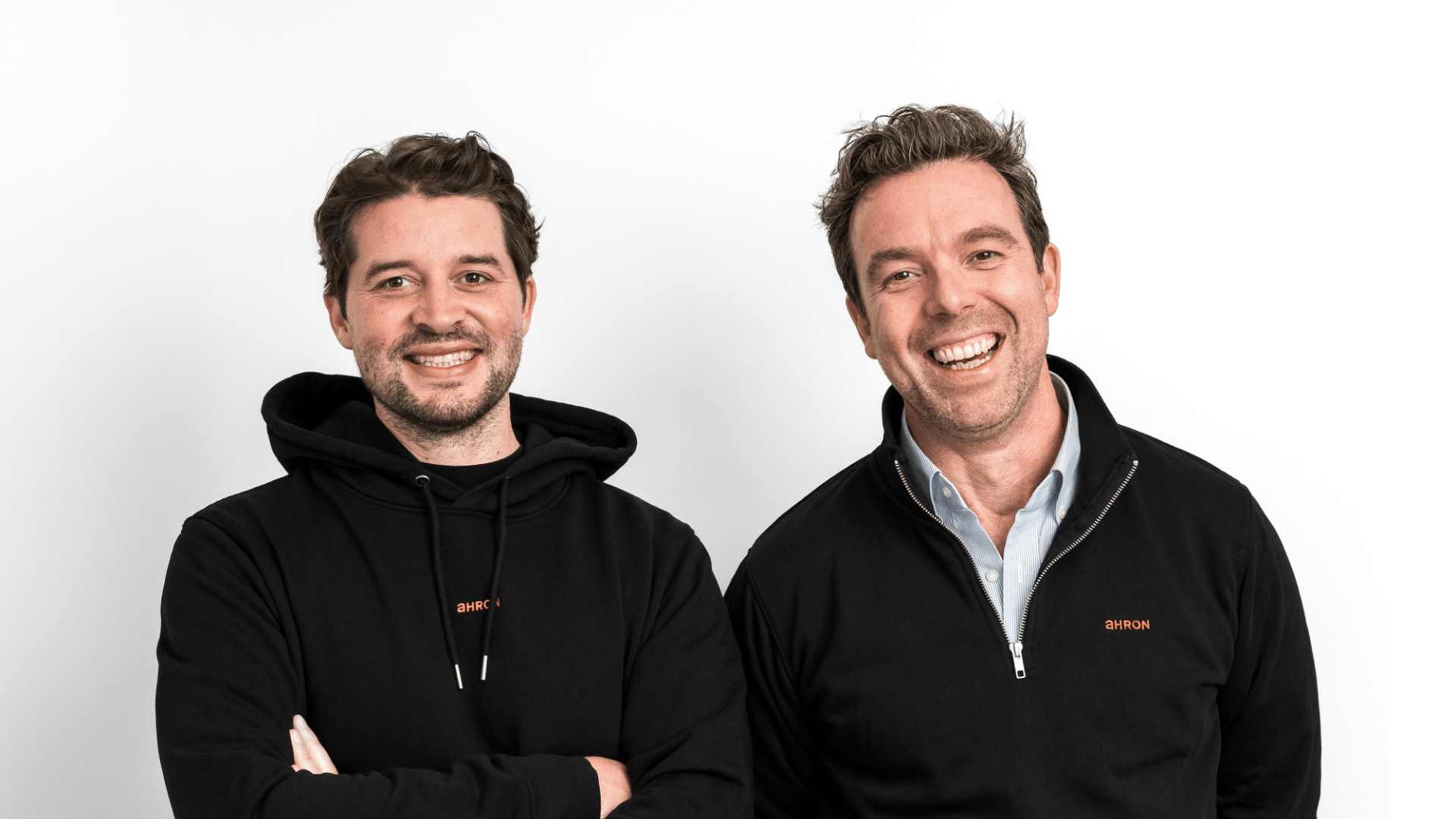
Asheem Panakkat (CEO) and Momchil Ivanov (CTO)
Image credit: Klarent
Klarent, a Zurich startup that builds an autonomous software testing platform, has raised an $8 million seed round to take its product into the United States. The round, announced on October 9, is equal to about 7.13 million euros and was led by Mosaic Ventures.
Moonfire Ventures also participated, along with a group of angel investors that includes Jurgen Galler, a former Google director, Harris Barton, and AngelInvest Ventures. The company, which operated under the name Fore AI before rebranding, plans to build on traction it has already won with large European enterprises.
Klarent was founded in 2023 by two former Google engineers. Chief executive Asheem Panakkat spent 12 years at the company leading engineering teams on products such as Shopping and Maps. Chief technology officer Momchil Ivanov spent nearly eight years there as a staff software engineer working on information retrieval. The pair first set out to build evaluation tools for large language models, then concluded that checking the quality of AI‑generated code was the bigger opening. A team of about 25 people now works on the product.
The pitch rests on a design choice that Klarent calls deterministic autonomy. Instead of letting an AI agent make live model calls every time a test executes, the platform uses language models only to write and repair the test code. Once written, those tests run the same way each time, and the code is cached and reused, which keeps compute costs down. A human‑in‑the‑loop service reviews each result, and models stay involved whenever a test has to be rewritten after the application changes.
Panakkat has argued that agents which improvise on every run look impressive in a demo but struggle at enterprise scale, where repeatability and cost both matter. One customer reportedly runs around 3,500 tests a day on the platform, which gives a sense of the volume the company is designing for.
The product covers web, iOS, and Android applications. Tests can be generated from plain natural language, adapt when a user interface changes, and plug into CI/CD tools including GitHub, Azure DevOps, Jenkins, and GitLab. Root‑cause findings can be sent to Slack, Microsoft Teams, and Jira. Klarent says it is SOC 2 compliant and can be deployed in a customer's own cloud or on premises, requirements that large buyers tend to check before anything else. It became available on Microsoft Marketplace in September, about a month after the Klarent name was introduced, so the funding lands only weeks after the rebrand. The service is also fully managed, meaning the company handles tests from creation through monitoring and flags regressions to the customer's engineering team, which matters for buyers who would rather not staff a QA function of their own.
Current customers include the retailer JD Sports, the Swiss publisher NZZ, and the car rental company Sixt. At JD Sports, the agents follow a purchase from the moment an order is placed on the website through the order management system and into delivery. Panakkat says in‑house engineers writing tests by hand could not reach that level of coverage. Financial services is the next target, since software failures in that sector carry a high price.
The market argument is straightforward. Panakkat puts quality assurance at roughly a $35 billion business, with most of the work still done by people. Mosaic partner Chandar Lal sees traditional outsourcing, where large teams in lower‑cost locations write test scripts and click through applications, as the real competitor, and described it as a "brute‑force approach" that AI is positioned to displace. He also said the founders recognised the shift while still at Google, and that their commitment to determinism is what persuaded the firm to invest.
On the use of funds, most of the capital will go toward hiring in the US, including a larger sales team across the US and the UK. A smaller share will go to engineering, including cross‑platform testing work.
Klarent is not entering an empty field. Octomind, Momentic, and QA Wolf all sell AI‑driven testing, Tricentis is adding agentic features to an established product, and LambdaTest and Endform are among other companies drawing investor attention. Panakkat contends that rivals built on live model calls will not hold up at enterprise volume, while the established vendors are still retrofitting. That claim will be tested as Klarent meets US buyers who already have a preferred tool.
Pricing has not been spelled out publicly, and the company will need to show that its cost savings against outsourced testing hold up in real contracts. The broader trend is on its side, though. As AI writes a growing share of the world's code, the question of who checks that code becomes harder to ignore. Panakkat expects a future in which one network of agents builds software and another reviews it. Klarent is betting that the reviewing side will matter at least as much as the building side, and investors have now backed that view with $8 million.
Topics
Sources
Stay informed
Startup news in your inbox
Get important funding rounds, founder stories, and startup updates.
No spam - only important startup updates.