Milan Biotech Aptadir Raises 45 Million Dollars To Reverse Genetic Diseases At Their Source

Giovanni Amabile
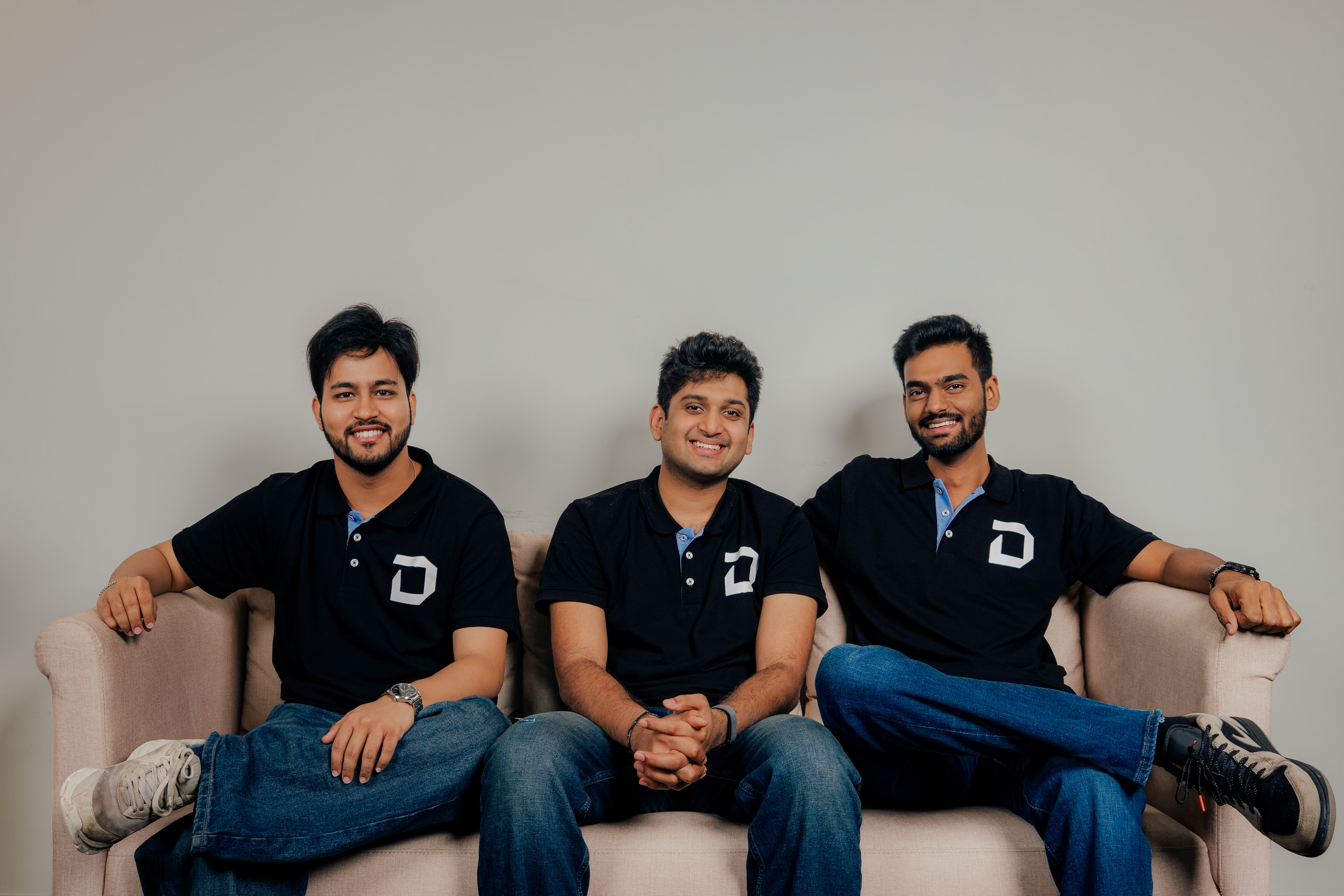
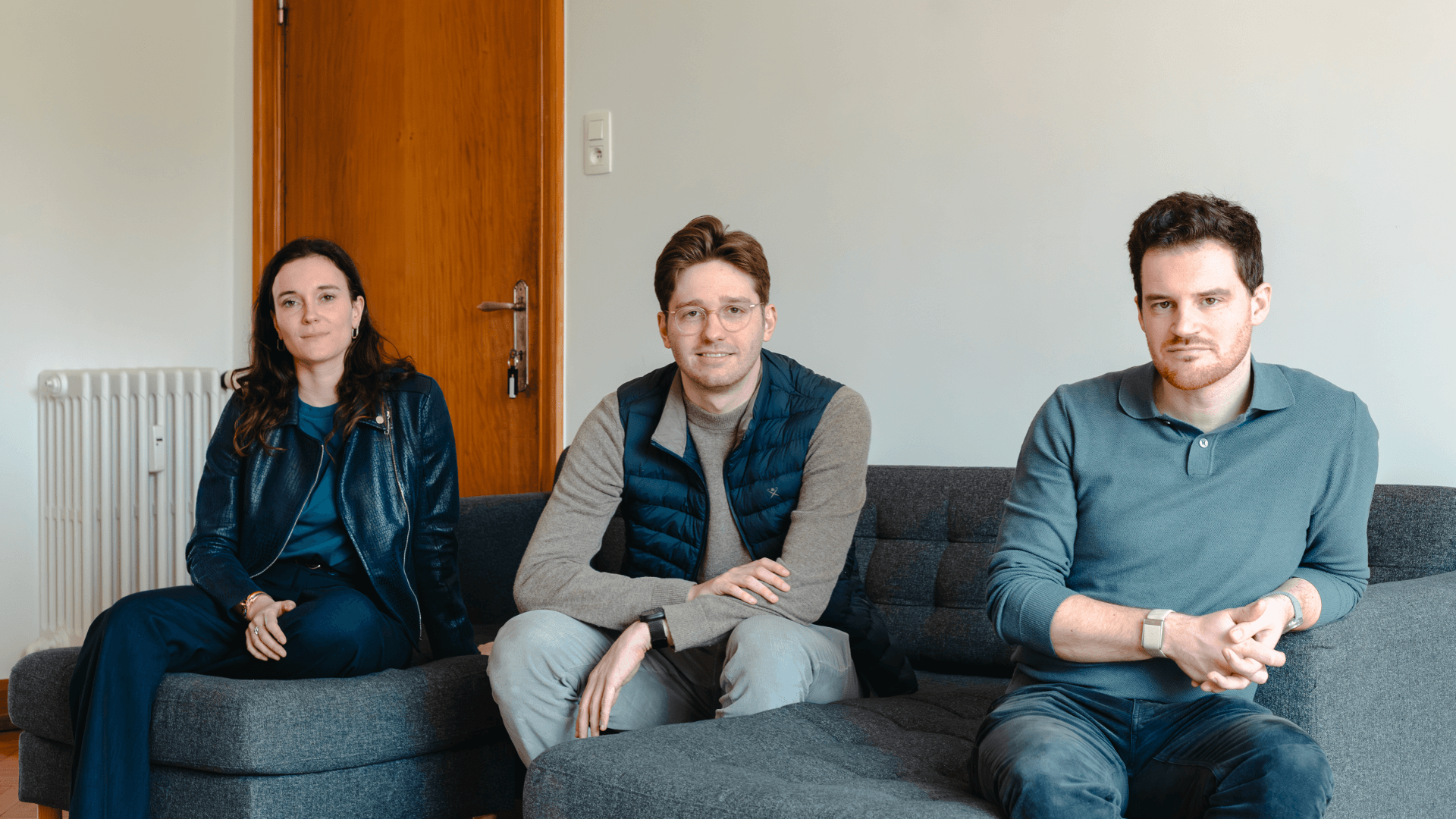
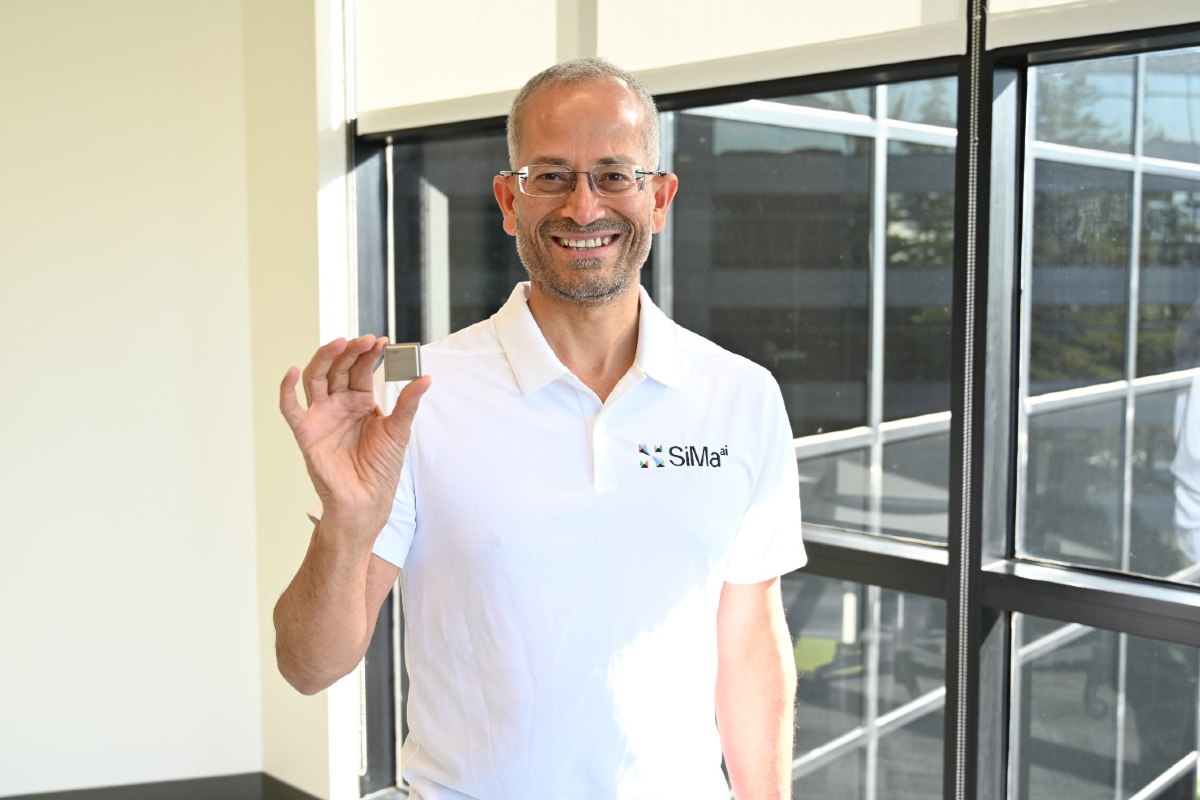
Image credit: Aptadir Therapeutics
Aptadir Therapeutics, a Milan based biotech company, has closed a seed round of 40 million euros, roughly 45 million dollars, to advance a new class of RNA therapeutics designed to reverse the abnormal gene silencing that underlies a range of genetic diseases and cancers.
The round was led by 4BIO Capital, a London based specialist biotech venture firm. It included follow on participation from Aptadir's original pre‑seed investor, EXTEND, Italy's national technology transfer hub for biotechnology and pharmaceuticals, which was launched by CDP Venture Capital SGR and jointly funded by Angelini Ventures and Evotec SE. Additional backers include CDP Venture Capital through its Digital Transition Fund, Indaco Venture Partners, XGEN Venture, CE‑Ventures, Angelini Ventures through a direct investment, Kerna Ventures, Italian Angels for Biotech and Club degli Investitori. Aptadir and 4BIO both describe the round as one of the largest early stage biotech raises in Europe this year, and one of the largest ever for an Italian health startup.
The company is still in the preclinical stage, meaning its therapies have not yet entered human trials, but the scale of the seed round reflects strong investor conviction in the underlying science. Aptadir's technology is built on the discovery of a new class of RNA molecules capable of blocking aberrant DNA methylation at the level of a single gene. Methylation is a natural chemical process that can switch genes off, and when it happens incorrectly it can silence genes the body needs, contributing to genetic disorders and certain cancers. By reversing that abnormal silencing, Aptadir's RNA inhibitors are designed to reactivate the affected gene and restore its normal function, an effect the company says it has already demonstrated in disease models derived from patient tissue.
The scientific foundation behind the company draws on work from three institutions: Beth Israel Deaconess Medical Center in the United States, Italy's National Research Council, and the Cancer Science Institute of Singapore. That international mix of contributors spans expertise in RNA and DNA biology, genetic disorders, leukaemia and immunotherapeutics, giving Aptadir a broad scientific base to draw from as it builds out its pipeline.
The company's lead candidate, known as CAP1‑FMR1, targets Fragile X Syndrome, a genetic condition and the most common inherited cause of intellectual disability, which results from the silencing of a single gene through excessive DNA methylation. Because Aptadir's platform is designed to correct that specific type of gene silencing directly, Fragile X Syndrome offers a clear proof of concept for the broader technology before it extends to other conditions. Beyond its lead programme, Aptadir's pipeline also targets Myelodysplastic Syndrome, a group of blood cancers, alongside other underserved intractable cancers and rare genetic conditions where gene silencing through abnormal methylation plays a role.
Claudia Pingue, head of the Technology Transfer fund at CDP Venture Capital and chairman of EXTEND, said the organisation's purpose is to identify and help develop translational drug discovery opportunities, and that EXTEND recognised the strength of Aptadir's science early enough to invest at the pre‑seed stage, when the risk was highest. She added that the organisation is proud the science is now attracting international investment and will continue supporting the company as it develops.
Dima Kuzmin, managing partner at lead investor 4BIO Capital, said finding genuinely innovative science with this kind of potential is exactly what the firm looks for, a comment that reflects the specialist, science first approach 4BIO takes across its biotech portfolio.
The new capital will fund further development of Aptadir's pipeline of disease modifying RNA therapeutics, with CAP1‑FMR1 as the most advanced programme. Moving from preclinical validation to the first human trials is typically the most capital intensive and highest risk stage for a biotech company, and the size of this seed round suggests Aptadir is positioning itself to reach that milestone without needing to return to the market for a smaller bridge round in the near term.
Aptadir's raise adds to a growing pattern of European institutions backing early stage biotech spinouts built on university and public research rather than corporate pipelines. EXTEND's role as both pre‑seed backer and technology transfer hub illustrates a model increasingly used across Italy and Europe more broadly, where public research infrastructure identifies promising academic science and works to translate it into venture backed companies before handing primary responsibility to specialist investors like 4BIO Capital as the science matures.
Topics
Stay informed
Startup news in your inbox
Get important funding rounds, founder stories, and startup updates.
No spam - only important startup updates.