Berlin Startup Mika Raises 6 Million Euros To Make Germany's Tax Adviser Optional

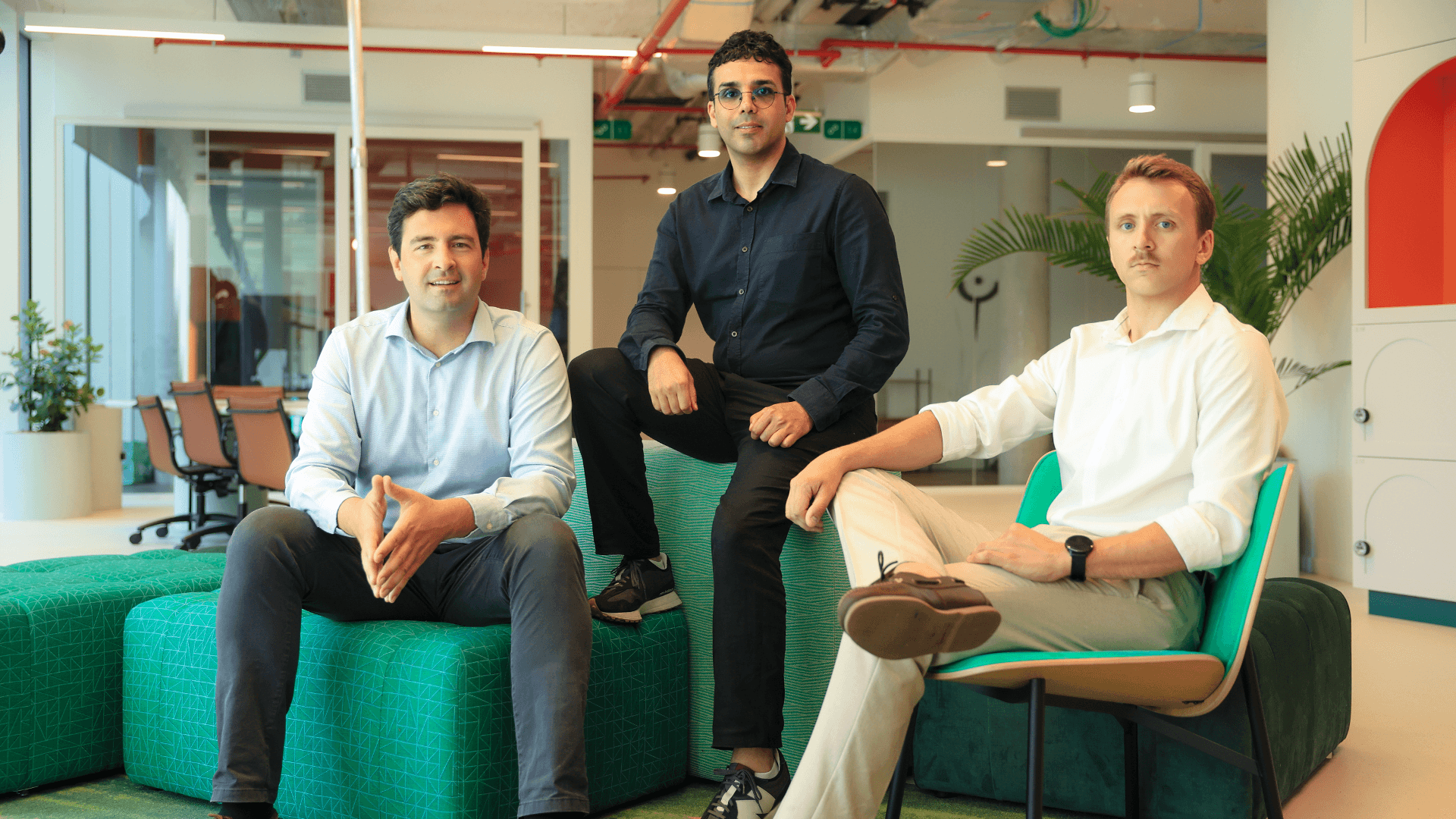
Agnieszka M. Walorska (CEO) and team
Image credit: Mika
mika, a Berlin based startup building AI software to replace the traditional tax adviser for Germany's small companies, has raised 6 million euros in a seed funding round to scale its platform and expand into new customer segments.
The round was led by pan European investor Smedvig Ventures. It drew additional backing from the Basel based family office Wecken and Cie, investing through its Care4 AG vehicle, alongside a group of individual backers with deep roots in German tech, including studiVZ co founders Dennis Bemmann and Michael Brehm, limango founder Johannes Ditterich, and encourageventures founder Martina Pfeifer. Existing investors Keen Venture Partners and Dutch Founders Fund also increased their stakes. The round follows an 800,000 euro pre seed raised in 2024 led by the Samen Slimmer alliance of Keen, Dutch Founders Fund and Slimmer AI, bringing mika's total funding to roughly 6.8 million euros.
Germany is home to close to one million small incorporated businesses, most structured as GmbHs or their smaller counterpart, the UG. Every one of them is legally required to keep books, file VAT returns, and produce annual accounts, a compliance burden that almost none handle themselves. As a result, the vast majority hand the work to a tax adviser or accounting firm, an industry mika pegs at 53.8 billion euros in Germany this year.
Founder and chief executive Agnieszka Walorska has argued that this default is neither inevitable nor, in most cases, legally required. She has said that the moment someone starts a GmbH in Germany, they are told they need a tax adviser, to the point that some founders believe it is a legal obligation, and that at mika the goal is to use AI to remove that barrier so a founder's bank balance or family background no longer determines who gets to start a company.
Behind the product sits what the company describes as its own AI native general ledger, built specifically around German accounting and tax rules rather than adapted from a generic bookkeeping system. The platform reads and interprets receipts and payments, routes different tasks to different underlying AI models depending on complexity, and applies domain rules mika has developed internally to categorize and record every transaction. Customers can inspect explanations behind individual entries, review VAT returns the system has prepared, and query their own financial data directly rather than waiting on a human adviser to respond. Accountants remain part of the process for oversight, with the software handling the volume of routine work rather than replacing professional review entirely.
Adoption has accelerated through 2026. mika counted around 400 GmbHs and UGs using the platform at the start of the year, a figure that has since grown to more than 800, and the company has said it recently crossed 1 million euros in annualised revenue. What began as a product aimed narrowly at digital first service businesses such as agencies and consultancies has since broadened to cover SaaS companies, property firms, e‑commerce and retail businesses, and skilled trades, a sign that the compliance problem mika is targeting cuts across sectors rather than sitting within any single vertical.
mika has chosen to stay deliberately narrow in geography even as its customer base diversifies. Walorska has described the company's current approach as being extremely focused on one very complex regulatory environment, betting that building a genuinely autonomous tax tool for Germany, capable of one click compliance and one click annual filings, is a more defensible position than spreading thin across multiple European tax regimes at once.
The new funding arrives as AI powered accounting draws increasing investor attention across Germany's startup scene. Berlin based Integral raised an 18 million euro Series A in mid September to expand AI assisted accounting and tax services, while LimeTax closed a 36 million euro package pairing equity and credit to roll up existing German tax and accounting firms under an AI platform. mika's own bet is narrower than either approach: rather than digitizing incumbent firms or acquiring them outright, it is building compliance software natively around AI from the ground up, aimed squarely at the small companies that consulting firms have traditionally found least profitable to serve.
Topics
Stay informed
Startup news in your inbox
Get important funding rounds, founder stories, and startup updates.
No spam - only important startup updates.