RhymeQ Leaves Stealth at NVIDIA GTC Berlin With $2.2M to Let Python Developers Program Quantum Computers
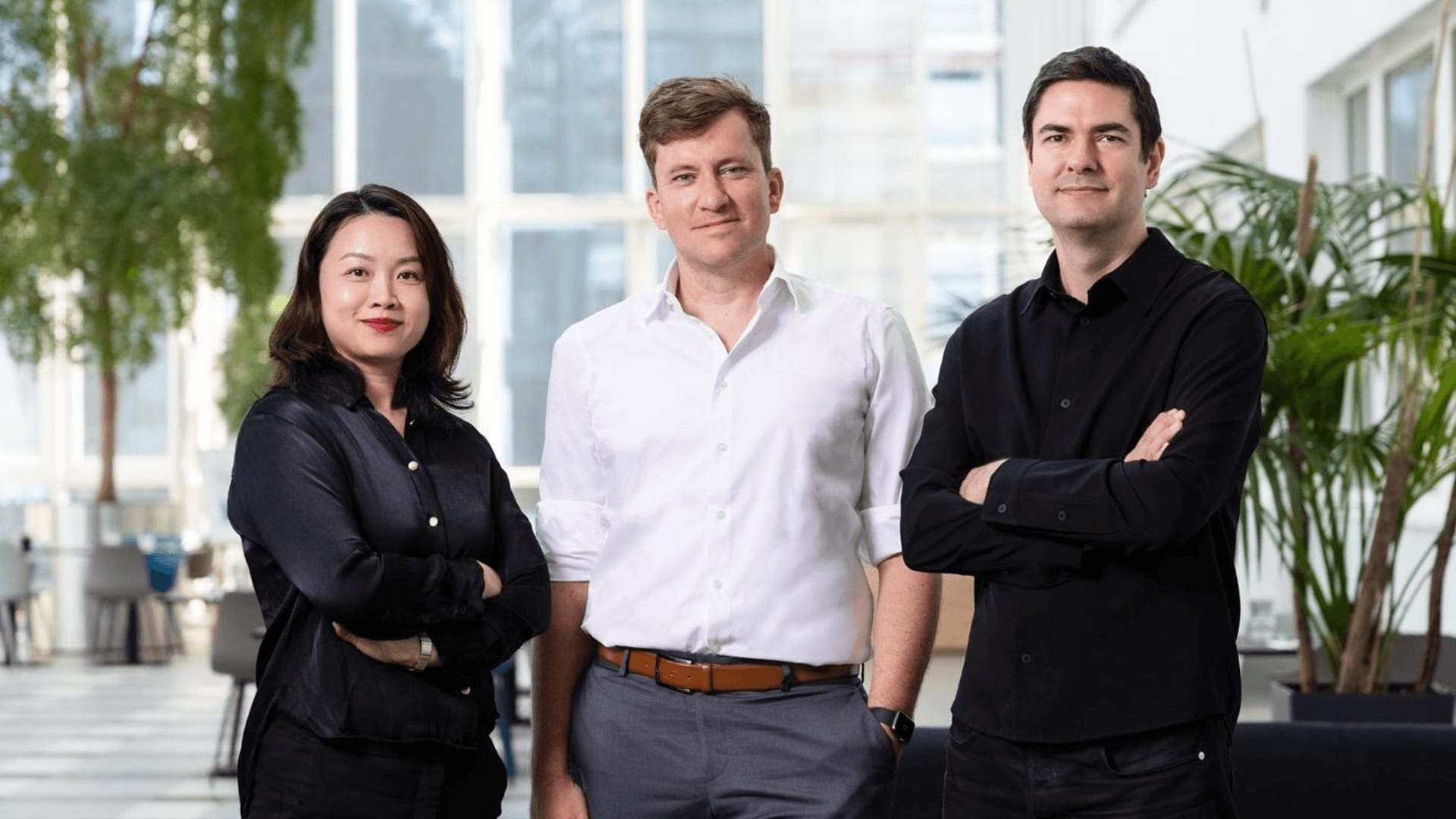
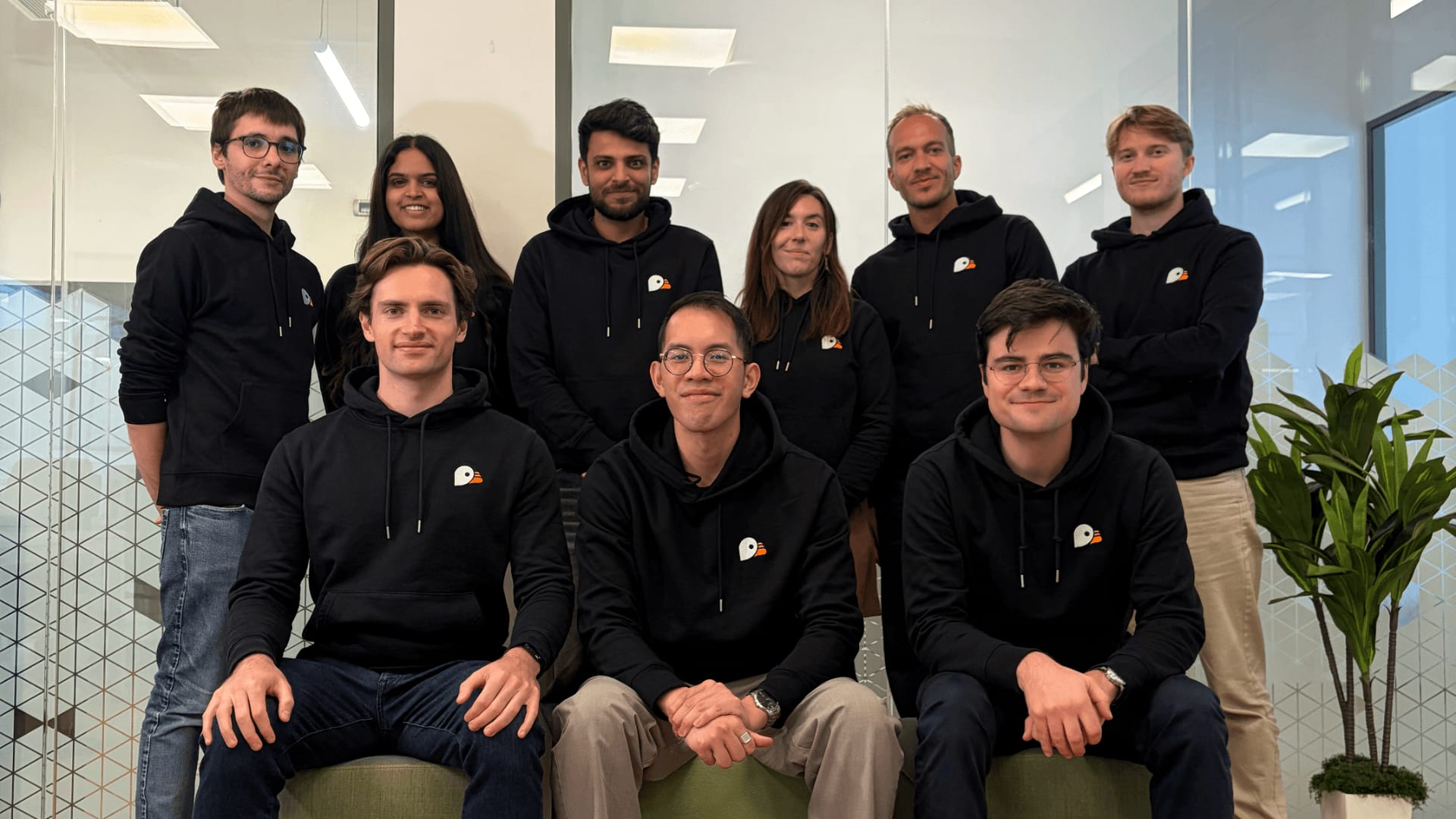
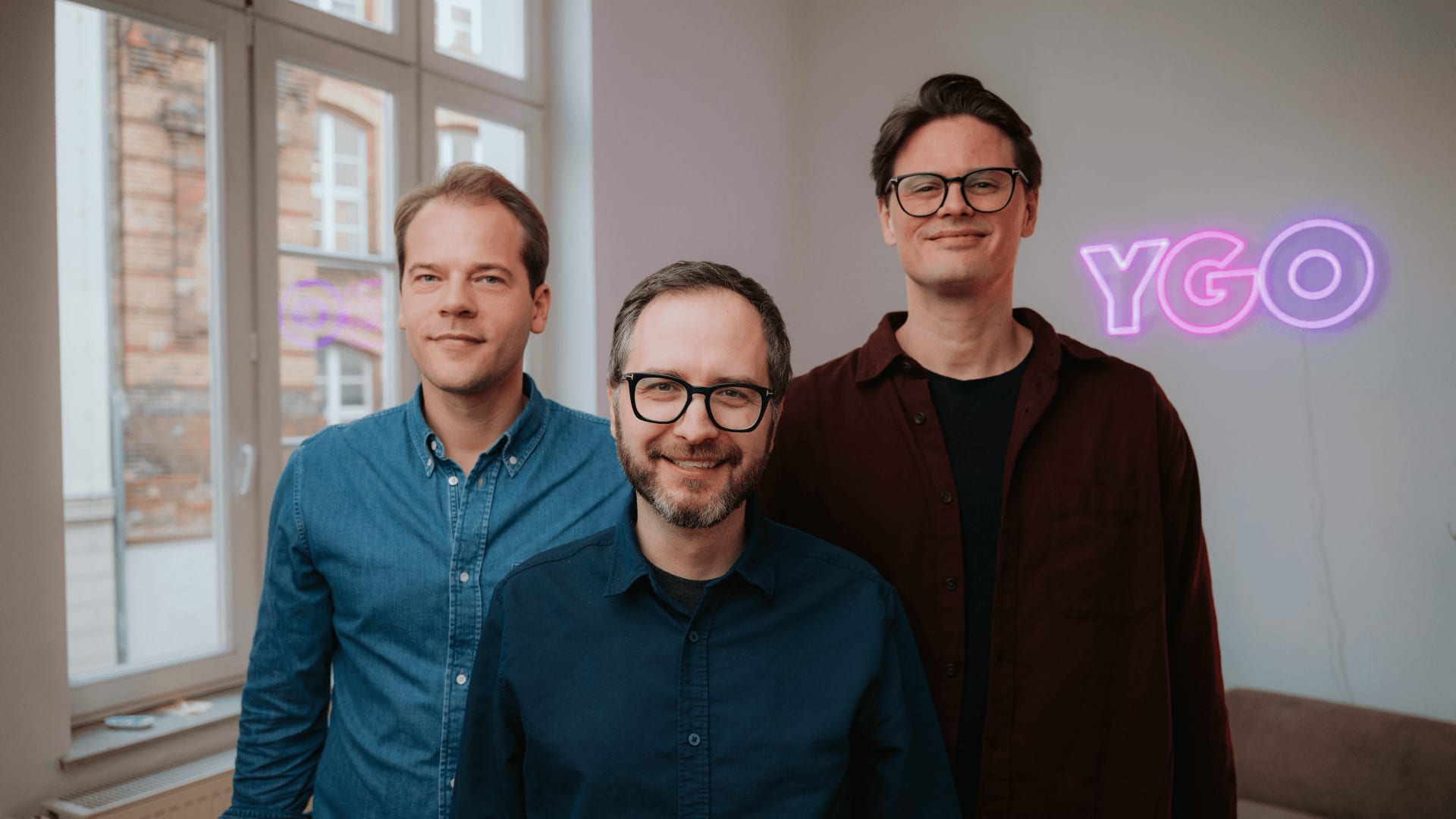
Daniel Volz, Tamás Varga, and Christina Wu
Image credit: RhymeQ
RhymeQ, a quantum software startup based in Karlsruhe, Germany, and Zürich, Switzerland, has come out of stealth with $2.2 million in pre‑seed funding. Ground State Ventures led the round, with participation from Vanagon Ventures, Plug and Play and Freiraum Ventures. The company announced the funding and its first product on October 22, 2026, at NVIDIA GTC Berlin.
RhymeQ was founded in 2026 by Daniel Volz, chief executive, Tamás Varga, chief technology officer, and Christina Wu, chief operating officer. The company has not disclosed a valuation.
The company's product, Rhyme, is an abstraction layer that lets software developers write code for quantum computers in Python. Programming quantum systems today normally requires specialised knowledge of quantum physics, which limits the number of developers able to work with the technology.
With Rhyme, developers describe a problem using high‑level types. The platform compiles that description into quantum circuits, runs them on simulators or real quantum hardware and returns the results to the developer's application. RhymeQ says developers can work in their own development environment, with the AI coding assistant they already use, and without gate‑level physics.
The platform compiles to CUDA‑Q, NVIDIA's platform for programming quantum processors and graphics chips. As a result, the same code can run on GPU‑accelerated quantum simulators and on processors from different hardware makers, without being tied to one vendor. RhymeQ is a member of NVIDIA Inception, the company's program for startups.
Volz framed the problem in terms of how classical software development has changed. "We are on a mission to make quantum computers programmable by every developer on the planet," he said. "While vibe coding is taking over the classical programming world, the situation is not so simple in the quantum world. Quantum circuits can only be debugged by PhD‑level physicists."
RhymeQ's stated aim is for Rhyme to become the main way developers program quantum computers as error‑corrected hardware arrives. Volz has said he believes the hardware is now ready for the software layer to advance.
Volz previously led quantum computing initiatives at McKinsey and BASF, where he worked on applying quantum computing to chemistry. He also co‑founded the quantum startup Kipu Quantum, where he worked on quantum solutions.
Varga has more than 15 years of experience as a senior software developer and application engineer at UBS and Swiss Re, where he also trained software engineers to program quantum computers. He holds a doctorate from the University of Bern.
The name Rhyme has research roots. A January 2024 paper co‑authored by Varga described a high‑level quantum programming language called Rhyme, which extended classical data types to include quantum ones.
RhymeQ said it will use the pre‑seed capital to hire engineers, develop an enterprise platform, form partnerships with quantum hardware companies and grow its developer community. It plans to work with hardware providers to integrate their existing software libraries with Rhyme.
The company has started offering initial developers access to its compiler.
Ground State Ventures led the round. The other investors are Vanagon Ventures, Plug and Play, and Freiraum Ventures. The company did not name individual investors or give the size of each firm's contribution.
The quantum industry is working on several layers at once, from qubits and their control hardware to error correction and software. RhymeQ's work sits in the software layer, between application developers and the machines that run quantum circuits.
Earlier this week, another startup, Coherence Quantum of Finland, raised €2.78 million for cryogenic control hardware, an example of investment at the hardware end of the same field. RhymeQ's approach is to make existing and forthcoming machines easier to program for people who are not specialists in quantum physics.
Topics
Sources
Stay informed
Startup news in your inbox
Get important funding rounds, founder stories, and startup updates.
No spam - only important startup updates.
Comments
Text only. No links or images.
No comments yet.