Former NVIDIA GR00T Researchers Launch Dream Labs With $90M Seed and a $3-an-Hour Robot Brain
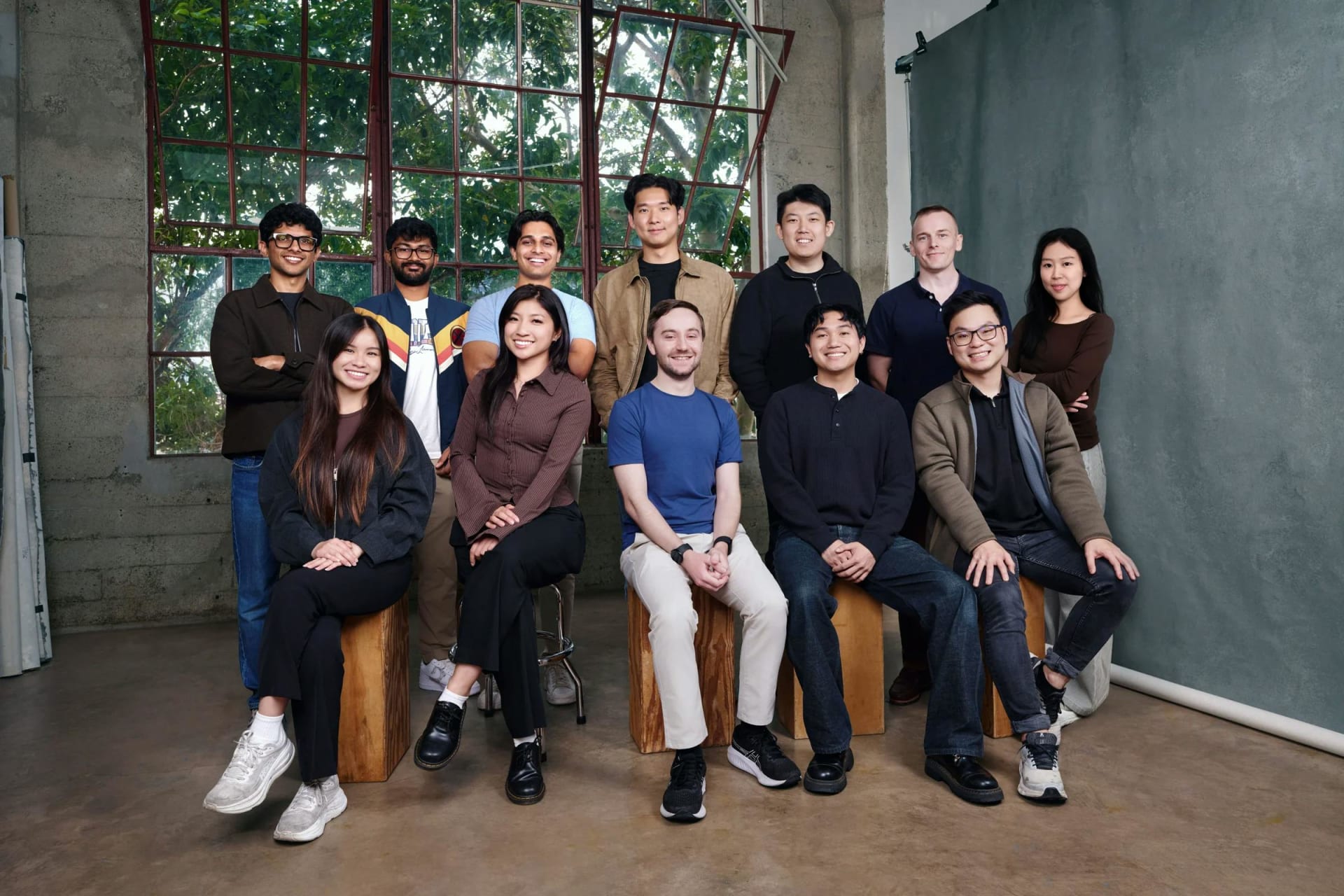
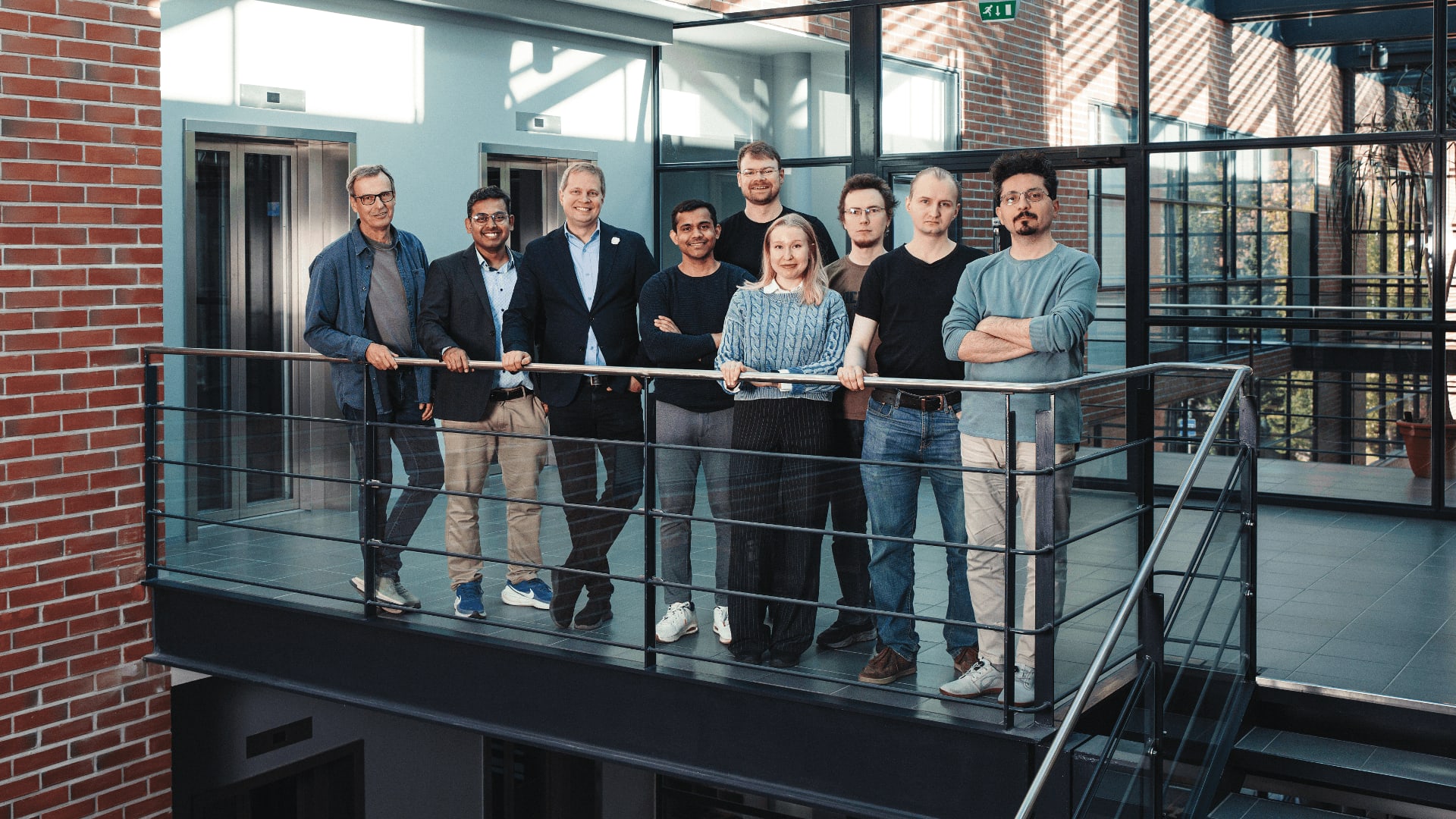
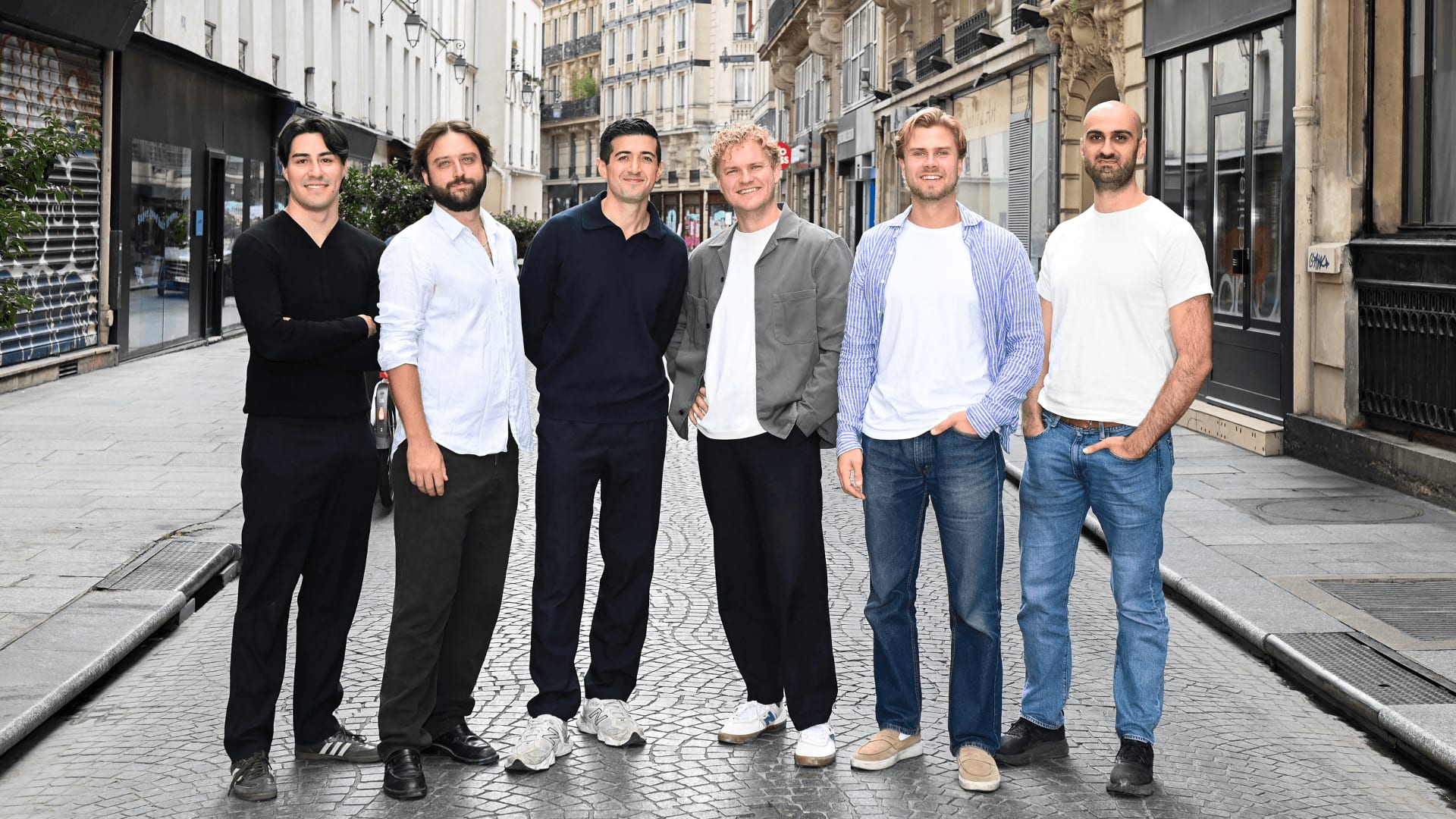
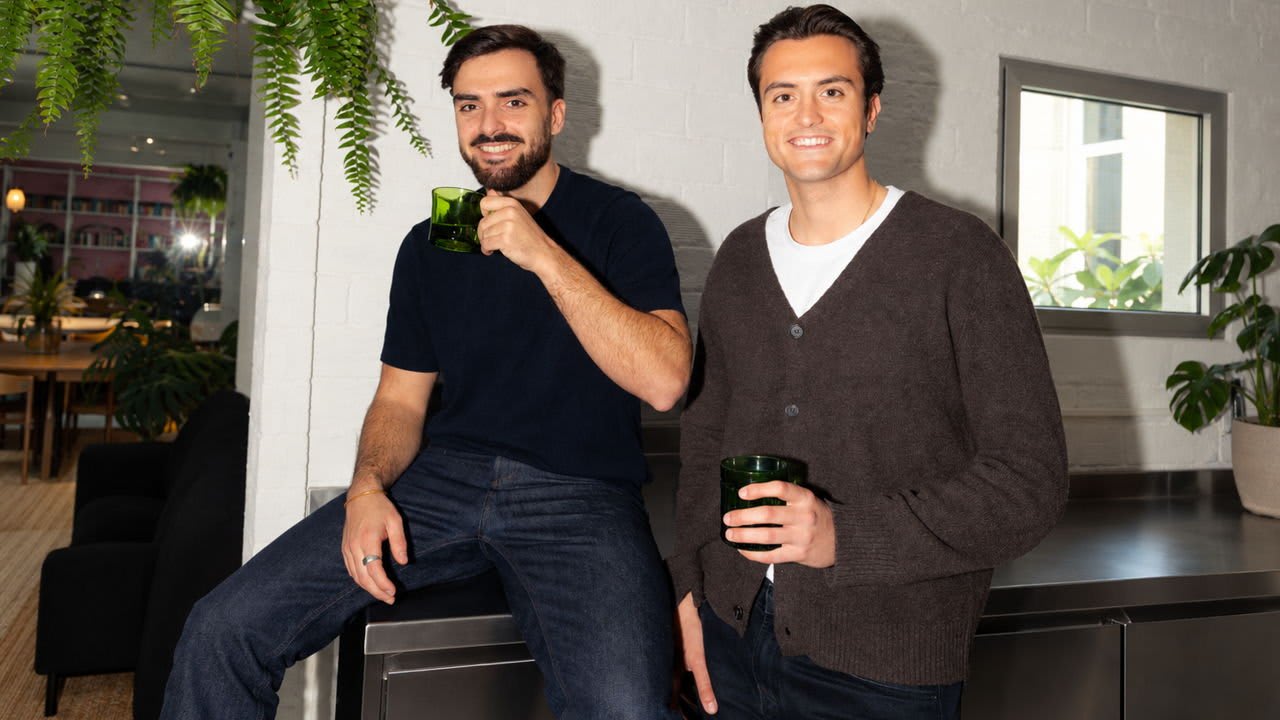
Dream Labs Joel Jang (CEO), Ge Yunhao (CTO), and Scott Reed (Chief Scientist)
Image credit: Dream Labs
Dream Labs, a San Francisco robotics software startup founded by former NVIDIA researchers, has raised $90 million in seed funding and opened a public API for its first model, Dream‑1. The round was announced on October 19, 2026, and co‑led by B Capital and Kindred Ventures. A.Capital, Unusual Ventures, SV Angel, Wing VC, Scribble VC and angel investor Adrian Aoun also took part.
The company was founded in 2026 by former leads of NVIDIA's GR00T robotics research program. Its team also worked on DreamZero. Joel Jang is co‑founder and chief executive.
Dream‑1 is a foundation model for robot control. It was trained on videos of people performing everyday tasks, and uses visual information to predict actions and drive robots equipped with grippers. Because it learns from video rather than from a single machine, Dream Labs says its skills carry over from one robot to another, and that the model can operate any robot with a gripper without task‑specific training.
The company is aiming at a cost problem in robotics. Low‑cost robots now sell for a few thousand dollars, yet teaching one machine a task can take specialists months, and what one robot learns does not automatically pass to a different one. Dream Labs wants developers to begin with a shared model and adapt it only when a particular robot or application needs more specialised training.
"The hardware is ready. What's been missing is a brain any robot can use," Jang said.
Alongside the funding, Dream Labs released Dream API, which it describes as the first publicly available API that converts a robot's camera feed and a plain‑English instruction into motor commands, including for robots the model has never seen. The launch also includes a fine‑tuning service and a browser‑based Robot Playground, where users can send instructions to physical robots in the company's San Francisco office.
Pricing is by usage. Dream API starts at $3 an hour, which puts eight hours of use at $24. The company currently works with more than 20 hardware partners, and the robots it supports range from about $2,000, such as MakerMods arms, up to $10,000.
Dream‑1 handles tabletop tasks only. Support for wheeled mobile robots and dexterous hands is planned but not yet available.
Dream Labs says the $90 million will go primarily to compute. The spending is meant to widen the range of tasks and robot types that Dream‑1 can handle and to support a growing number of users. The company did not disclose a valuation for the round.
An investor quoted in the announcement praised the team's earlier work. One backer said the founders did some of the defining work in robot learning at NVIDIA, a reference to the research that preceded Dream‑1.
Dream Labs enters a field that has already drawn large cheques. Physical Intelligence previously raised $600 million at a $5.6 billion valuation, and Paris‑based AMI Labs, started by Yann LeCun, raised $1.03 billion in a seed round earlier this year from investors that include Bezos Expeditions, NVIDIA and Samsung Electronics. Those companies are working on models that understand and act in the physical world, the same broad category as Dream‑1.
Dream Labs positions itself at the model layer rather than the hardware layer. It does not sell robots. It sells a model that runs on robots made by other companies, and it charges by the hour instead of per machine. For hardware makers, that arrangement offers a way to ship a working control system without building one in‑house. For developers, the fine‑tuning service provides a route to adapt the shared model to a specific arm or application.
GR00T is NVIDIA's research effort on general‑purpose foundation models for humanoid and other robots. Dream Labs' founders led parts of that work before leaving to start the company this year. The startup says its approach of learning from human video, rather than collecting large sets of robot‑specific demonstrations, is what allows one model to span different machines.
Dream Labs has not published customer names or performance benchmarks beyond the demonstrations in its Robot Playground.
Topics
Stay informed
Startup news in your inbox
Get important funding rounds, founder stories, and startup updates.
No spam - only important startup updates.
Comments
Text only. No links or images.
No comments yet.