Scimplify Raises $25M Led by Hitachi Ventures as India Builds a Non-China Supply Chain for Critical Materials
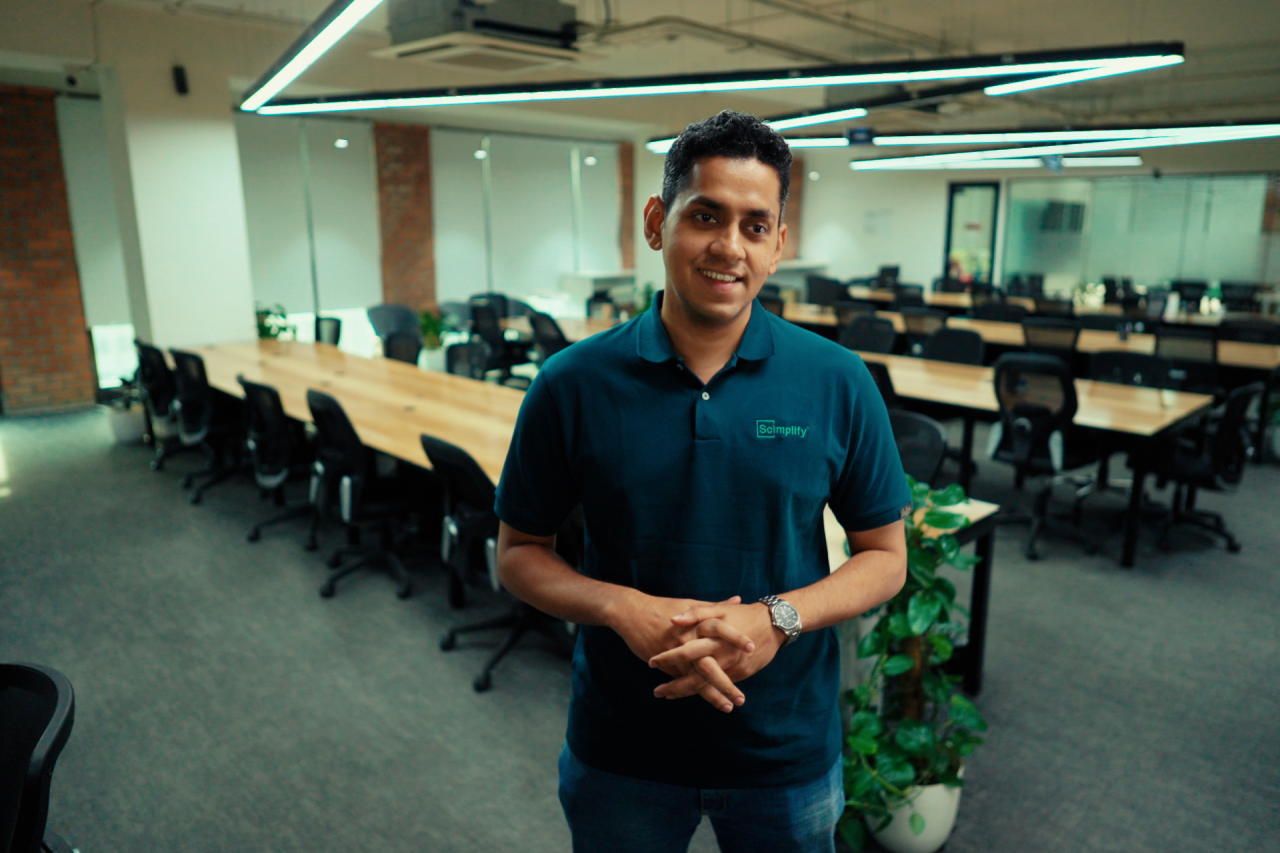
Scimplify, a Bengaluru startup that makes specialty chemicals and critical materials for manufacturers, has raised $25 million to expand outside India. Hitachi Ventures led the all‑equity strategic round. Customers Henkel and Teknor Apex joined as new investors, and existing backers Accel India, Bertelsmann India Investments, Omnivore, and 3one4 Capital also took part. Total equity funding now stands at $80 million.
The round lands at a moment when manufacturers across electronics, energy, and defence are trying to reduce their dependence on Chinese suppliers. Supply of many specialty inputs, from rare earth magnets to tungsten derivatives, is concentrated in China and a few other countries. European rules such as the Critical Raw Materials Act aim to cap reliance on any single non‑EU supplier at 65 percent by 2030, and export restrictions have repeatedly squeezed supply of materials such as indium phosphide. Buyers want alternatives, but qualifying a new source has traditionally taken a long time.
Scimplify's pitch is speed. Turning promising chemistry into a commercial product requires developing a production process, qualifying a facility, and meeting strict quality and regulatory standards. Co‑founder Sachin Santhosh says the company has gone from receiving a customer's requirements to delivering finished material in two months in some cases, compared with the 12 to 18 months such work usually takes. Timelines vary by project, and the company cites work for the Japanese electronics maker TDK as an example.
The process works in two stages. Once an order arrives, Scimplify develops the chemical manufacturing process at its research facilities in Bengaluru and Hyderabad, then transfers it to partner factories for commercial production. Its in‑house team of scientists and engineers oversees output across a network of more than 500 manufacturing facilities. A proprietary AI platform called Scinode helps coordinate the work by identifying suitable production routes and plants while tracking quality and regulatory requirements. The platform uses separate AI agents for research, manufacturing, and quality control. Santhosh describes each agent as working backward from the customer's requirement, which helps the system retain context for future orders.
The financial picture is unusually strong for a company in this field. Scimplify says its annualised revenue run rate has tripled over the past year to about $200 million and that it is aiming for $400 million over the next 12 months. It has been EBITDA‑positive for the past two months and expects to turn profitable after tax this month. The company serves more than 1,000 customers and has delivered products to more than 40 countries. Because these numbers come from the company, they should be read as claims rather than audited results.
The mix of customers has shifted sharply. Energy, electronics, and defence now account for roughly 45 to 50 percent of revenue, up from under 15 percent a year ago. That tracks demand from AI infrastructure, which needs advanced electronic materials, and from defence buyers rebuilding stockpiles during ongoing conflicts. The company's named customers include TDK, BASF, and Hitachi.
Geography is changing as well. The United States has become a key growth market, with the annualised run rate there rising sixfold to about $60 million from $10 million a year ago, according to Santhosh. It now makes up around 30 percent of the business. Customers outside India contribute more than half of revenue, compared with less than 5 percent about 18 months earlier.
Today, about 90 percent of Scimplify's manufacturing takes place in India. Over the next year, the company plans to extend its production network to the United States and Japan, where it wants to serve more customers locally. Notably, the new capacity is aimed at American and Japanese buyers rather than Europe, despite the European policy push. About $7.5 million of the new funding is earmarked for the US expansion, including building out its manufacturing network, while another $2 million will go to further development of Scinode.
On the materials side, Scimplify is working on tungsten derivatives made from scrap, which would give customers a source that does not rely on mined supply concentrated in China. It is also researching rare earth materials, a category where global supply chains remain heavily dependent on Chinese processing. Recycling‑based routes could prove attractive to buyers who want both security of supply and a smaller environmental footprint.
The company employs about 340 people, including roughly 70 scientists. Most are in India, though it has local teams in the US, Japan, Indonesia, and the UAE.
Several challenges stand out. Specialty chemical production depends on partner factories, so quality control and safety oversight across hundreds of sites is a constant operational burden. Moving into defence and semiconductors brings tougher qualification requirements and longer approval cycles. Competing with established chemical groups, as well as with Chinese producers that benefit from scale and low costs, will not be easy. Rare earth processing in particular is capital‑intensive and technically demanding.
Even so, the investor line‑up tells its own story. Hitachi is both a customer and a backer, and Henkel and Teknor Apex have taken equity positions in a supplier they rely on. When buyers invest in their own supply chain, it suggests that diversification is now a procurement priority rather than a talking point. If Scimplify can hold its speed advantage while adding capacity in the US and Japan, it could become one of the more significant non‑Chinese sources of specialty materials.
Topics
Stay informed
Startup news in your inbox
Get important funding rounds, founder stories, and startup updates.
No spam - only important startup updates.