New Zealand's Ideally Raises $13.4 Million to Bring Overnight Consumer Insights to the World's Biggest Brands
Editorial Team

Market research has always had a timing problem. By the time a brand gets the insights it commissioned, the market has usually moved. A six‑week study that costs $150,000 might confirm a strategic direction the team already acted on three weeks ago. The insight arrives as validation, not as input. It helps someone build a slide deck. It does not help anyone make a braver decision earlier in the creative process.
Ideally, the New Zealand‑founded AI market research platform, was built to solve this specific failure. The company delivers real consumer feedback from over 30 countries in under 24 hours, at a fraction of the cost of a traditional research project. On April 21, 2026, it announced a $13.4 million Series A that confirms both the commercial traction it has built and the scale of the opportunity it is moving into next.
The round was led by Shearwater Capital, the Australian venture firm, with participation from Altered Capital, Icehouse Ventures, and Ecliptic VC. Icehouse Ventures previously led both Ideally's $2.15 million seed round in November 2023 and a $5.5 million extension in August 2024, making this its third consecutive participation in the company's funding rounds. The Series A values Ideally at more than $83 million NZD, or over $59 million USD, a meaningful step up for a company that was launched from venture studio TRA Labs only two years ago.
Key facts about Ideally's current commercial position:
- More than 250 brands across APAC and the US use the platform actively.
- Clients include Google, Telstra, DoorDash, Burger King New Zealand, Asahi, Revlon, KFC, Duckhorn, Tilray, and Rémy Cointreau.
- The platform covers respondent panels across more than 30 countries, enabling insight gathering across diverse cultural and geographic contexts without requiring separate vendor relationships in each market.
- US revenue has grown 350 percent since the New York office opened in early 2026.
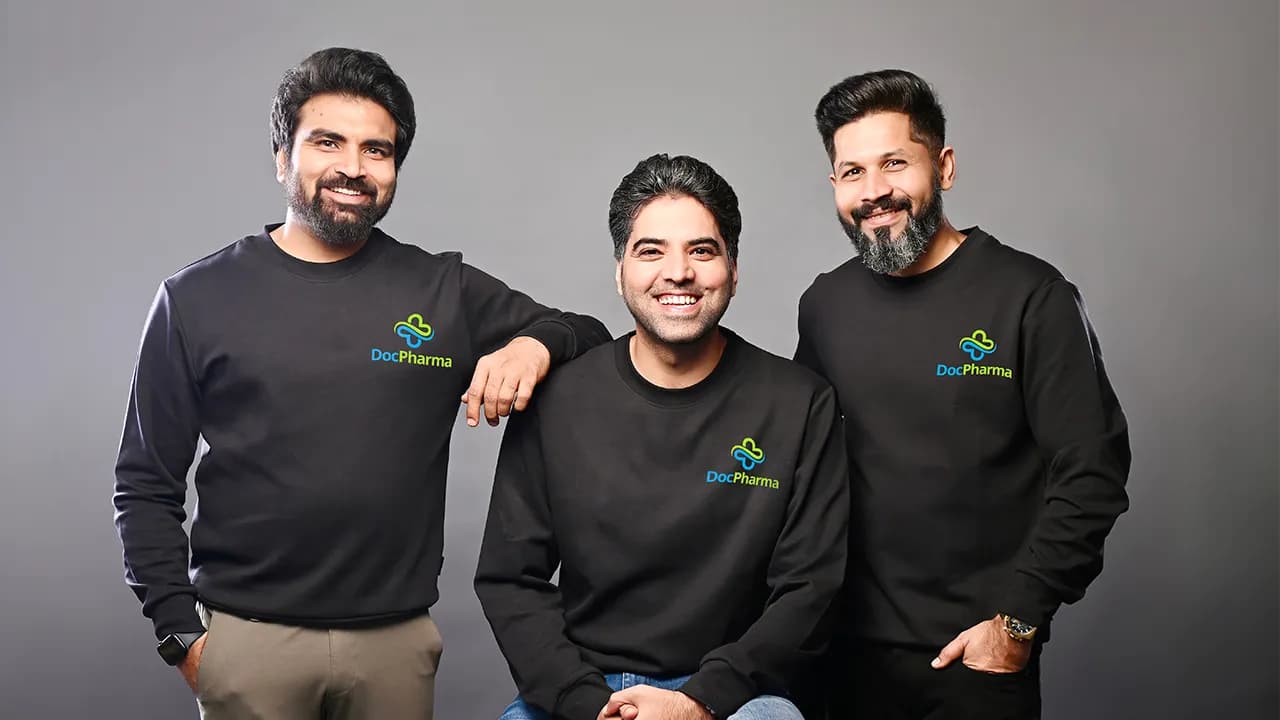
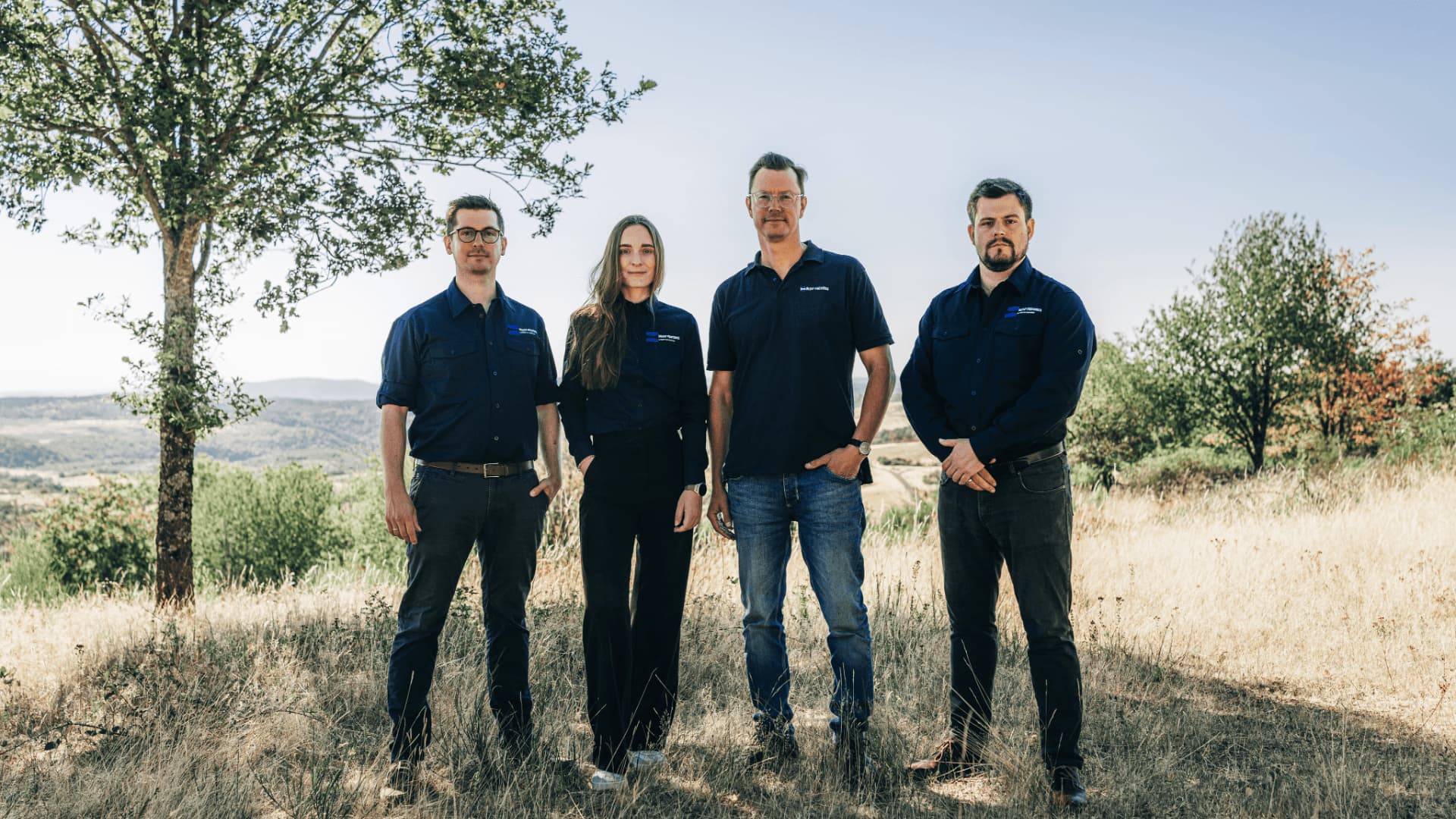
- The company was founded in August 2023 by CEO James Donald, CRO Joshua Nu'u‑Steele, and Brendan Cervin.
What the Platform Actually Does
Ideally's core product sits at the intersection of AI‑powered research design and human‑respondent survey execution. When a marketing or innovation team needs to test an idea, a creative direction, a product concept, or a campaign message, they can run a study on Ideally and have real consumer responses delivered by the following morning.
The AI layer does not replace respondents with synthetic personas or generated answers. That distinction is explicit and commercially important. Ideally's AI sharpens both ends of the research process: it helps teams design better questions based on the specific hypothesis being tested, and it analyses responses to identify patterns, audience segments, and follow‑up questions the initial survey did not anticipate. The insights are anchored in authentic human behavior.
The speed matters for a specific commercial reason that Leann Smith, Head of Marketing at Burger King New Zealand, captured in a customer quote: the process does not require as much brain power or time from the team, because the entire survey structure has already been developed and tested by Ideally's methodology. The platform's strength is not just that it is fast. It is that a brand manager without a research background can run a quality study independently, without needing an agency intermediary to validate their approach.
Alongside the funding, Ideally is launching its most significant new product to date. Ideally Canvas is a continuously updated view of consumer, category, and competitor trends, designed to sit at the very start of the creative process rather than the end of it. Instead of commissioning individual projects to validate finished ideas, teams using Canvas have access to a living dataset that builds over time, compounding insights from every study run on the platform.
The positioning of Canvas addresses a structural problem in how marketing teams currently operate. Most research happens after briefs are written and budgets are committed. Canvas is designed to inform the brief itself: what consumers want more of, what is missing in the category, which creative directions are likely to resonate before an idea is fully developed. Donald described the resulting competitive advantage in direct terms: "When insight moves at the pace of creativity, braver ideas get made and better work follows."
The US Expansion That Drove the Round
The $13.4 million is primarily earmarked for accelerating US growth. When Ideally opened its New York office in early 2026 with Nu'u‑Steele leading the expansion as Chief Revenue Officer, the US market was a strategic intent rather than a proven commercial base. The 350 percent revenue growth that followed in the months since the office opened confirmed the demand was real.
Nu'u‑Steele described the problem he is hearing from US marketing leaders consistently: "Every marketing leader I talk to in the U.S. has the same problem: their timelines are impossible, and they're making million‑dollar decisions on data that's already six months old. That's not a research problem; it's a business problem."
Shearwater Capital managing partner Zac Zavos captured the investor rationale with precision: "Ideally has taken what was a long, expensive, waterfall research process and rebuilt it as something fast, iterative, and accessible. Once marketers experience the speed of overnight responses, it becomes indispensable."
The broader market context gives those comments commercial weight. The global market research industry is valued at approximately $90 billion annually. The segment Ideally is disrupting, traditional agency‑led qualitative and quantitative research, has historically been protected by high costs, long timelines, and institutional relationships that made switching expensive. Ideally's platform collapses the cost and the timeline simultaneously. That combination has historically been the condition under which incumbents in professional services markets face the most structural disruption.
More at goideally.com
Stay informed
Startup news in your inbox
Get important funding rounds, founder stories, and startup updates.
No spam - only important startup updates.