Factory Just Became an AI Unicorn by Selling What Nobody Has Fully Sold Yet: Autonomous Software Engineering

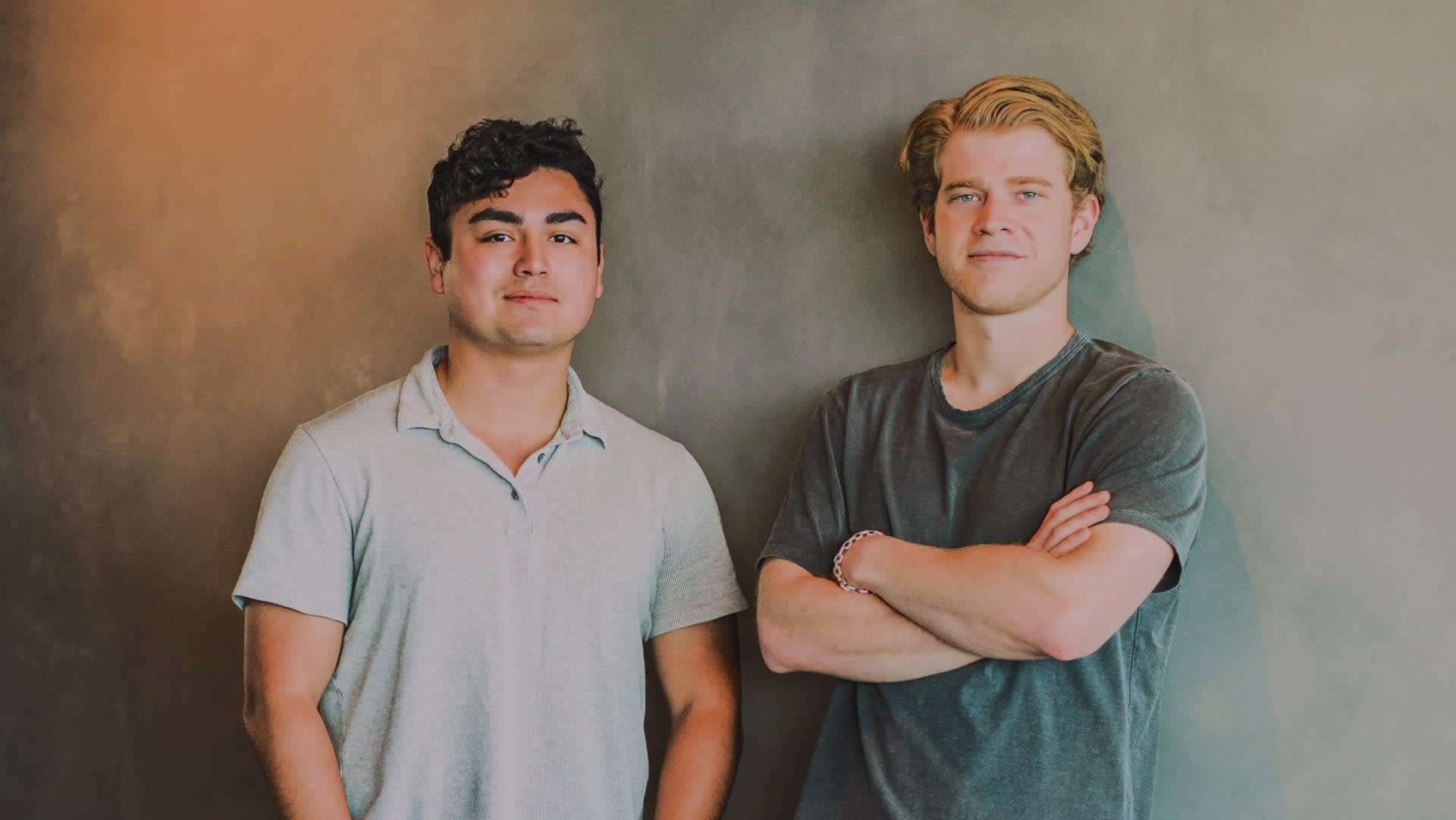
Three years ago, Matan Grinberg was in a theoretical physics doctoral program at the University of California, Berkeley. He left. He built Factory. Now he runs an AI unicorn.
On April 16, 2026, Factory announced a $150 million Series C at a $1.5 billion valuation, officially entering the unicorn club and becoming one of the best‑funded startups in the enterprise AI coding category. The round was led by Khosla Ventures, with participation from Sequoia Capital, Insight Partners, and Blackstone. That last name deserves attention. Blackstone is a private equity firm managing over $1 trillion in assets, and its presence in a startup's Series C is not accidental. It signals not just belief in the product, but conviction about the exit pathway.
Keith Rabois, managing director at Khosla Ventures, joined Factory's board as part of the deal. Rabois has backed early‑stage versions of Square, Stripe, Airbnb, and DoorDash. His decision to take a board seat rather than just write a check is the kind of governance signal that changes how a company is perceived in every subsequent conversation with enterprise customers.
Factory was founded in 2023 by Grinberg and Eno Reyes with a thesis that is more ambitious than it sounds: full autonomy for software engineering, not just faster code generation. The product they built is called Droids. The name is intentional. These are not assistants. They are agents designed to own entire development tasks from end to end:
- Code generation across any IDE or terminal environment.
- Automated testing and test coverage expansion.
- Code review and documentation.
- Deployment and CI/CD integration.
- Refactoring, debugging, and incident response.
- Meeting planning and ticket execution through Slack and Teams.
The enterprise customers using Droids daily include Nvidia, Adobe, EY, Palo Alto Networks, Adyen, MongoDB, Bayer, Zapier, and Morgan Stanley. That list spans semiconductors, enterprise software, professional services, cybersecurity, payments, life sciences, developer tools, and financial services. It is the kind of portfolio that enterprise sales organizations build over years. Factory built it in three.
Revenue performance is equally striking. For each of the past six months, Factory has doubled its revenue month over month. Month‑over‑month doubling sustained for six consecutive months is the kind of trajectory that makes investors overwrite their standard caution models.
Grinberg's stated differentiator, the ability to switch between foundation models including Anthropic's Claude, DeepSeek, and others depending on the task, is a genuine enterprise requirement rather than a marketing claim. Large companies cannot afford to be locked into a single AI model provider for an application that sits inside their software development lifecycle. Regulatory, geographic, and commercial reasons all push enterprise buyers toward multi‑model optionality. Factory's architecture delivers that by design.
The broader market context for this raise is the AI coding tools market generating $12.8 billion in revenue in 2026, more than double its 2024 figure, and more than half of all code on GitHub now being AI‑generated or AI‑assisted. Factory's $1.5 billion valuation enters a market where Cursor is closing in on $50 billion and the category is producing multiple large outcomes simultaneously.
More at factory.ai
Stay informed
Startup news in your inbox
Get important funding rounds, founder stories, and startup updates.
No spam - only important startup updates.
Comments
Text only. No links or images.
No comments yet.