YC-Backed Upstream Raises $3 Million Pre-Seed to Launch the First AI-Native Inbox Built for Humans and Autonomous Agents Together
Editorial Team

Upstream, a Paris‑based productivity startup, has raised $3 million in a pre‑seed round and publicly launched what it describes as the first inbox designed simultaneously for humans and AI agents. The funding was backed by Y Combinator, Connect Ventures, Roosh Ventures, and more than 30 founders and operators from companies including Framer, Algolia, Asana, Alan, and Webflow. The round brings Upstream out of an invite‑only beta period during which the product was quietly refined with a curated group of early users, and into a public general availability launch across web, desktop, and iOS.
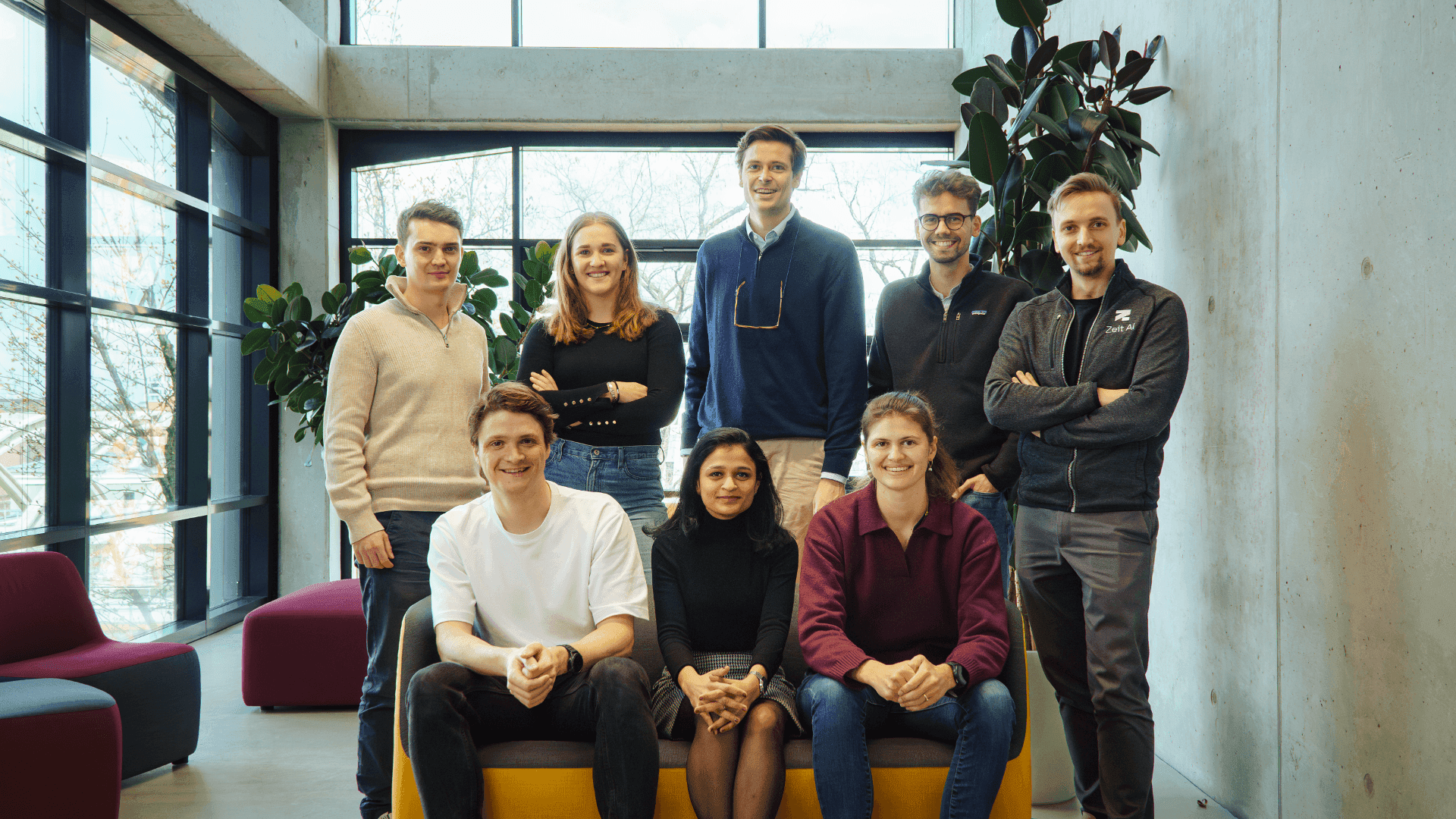
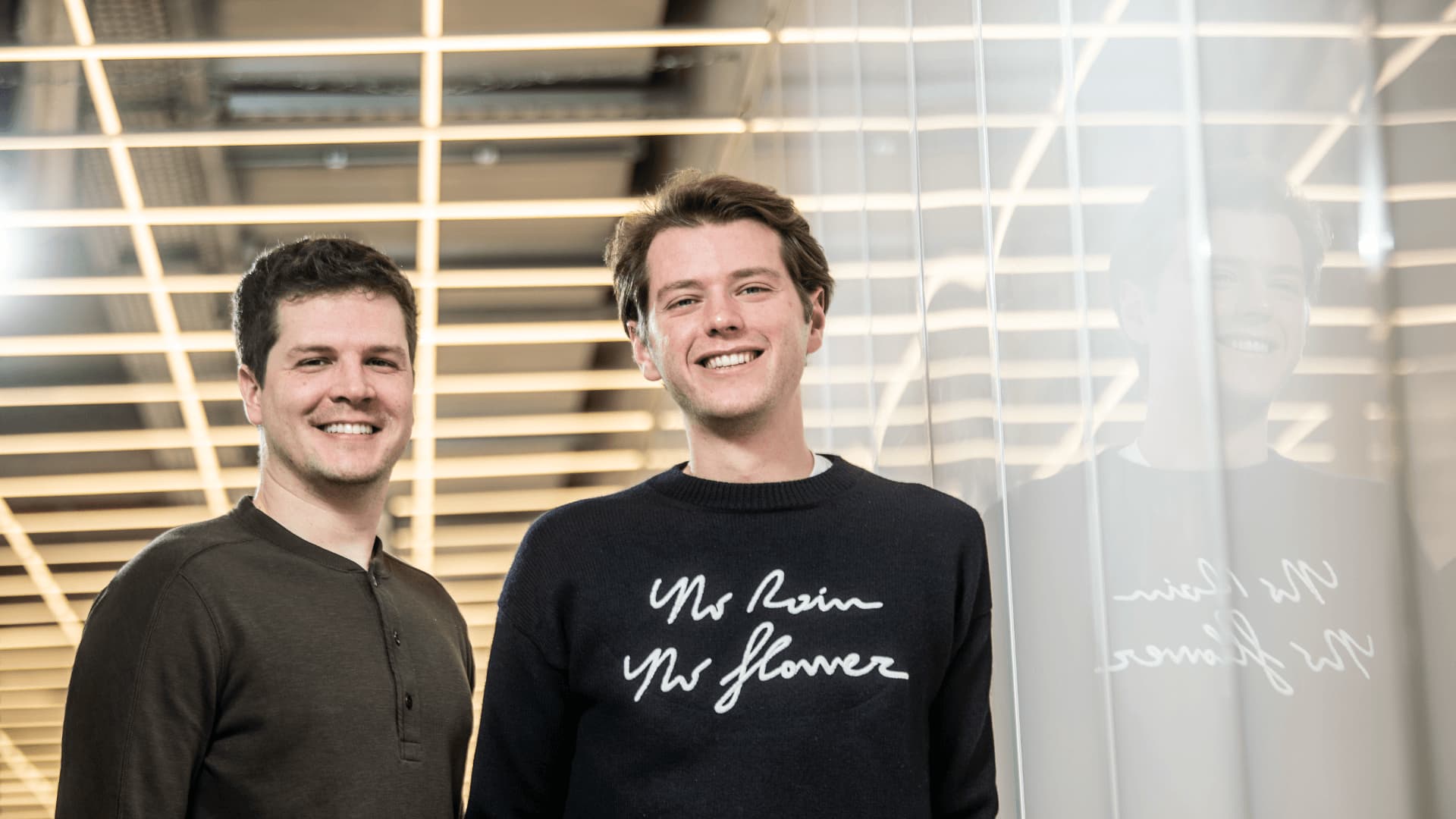
The company was founded in 2023 by Louis Lecat and Jonathan Tiret, a two‑person co‑founding team that has since grown to a seven‑person team based at Station F, Europe's largest startup campus in Paris. The company participated in Y Combinator's Summer 2023 batch and has spent the intervening period developing the product before deciding the timing was right to launch publicly.
Why Email Still Matters and Why It Has Not Changed
The premise of Upstream begins with an observation that is both obvious and underappreciated: email has survived every previous wave of workplace technology. Instant messaging, project management platforms, video calls, and AI assistant tools have all been positioned at various points as potential email replacements. None of them succeeded. Professional work still flows through email in a way that is structurally different from any other communication channel.
Yet the tools for managing that email have barely evolved. Threading, search, and filtering have improved incrementally, but the fundamental model of an inbox as a sequential list of messages requiring individual human attention has not changed in decades. Lecat identified this gap during his time at Asana, where the company's internal communication model felt qualitatively different from how most teams work. That experience seeded the idea that would eventually become Upstream.
The founding team represents an unusually strong combination of product and engineering credentials for a productivity startup at this stage. Lecat previously served as Head of Product at Algolia, the AI‑native search company that came through Y Combinator's Winter 2014 batch, where he led the product organisation through the company's Series B and C growth phases, assembled a team of more than 20 product professionals, and helped grow annual recurring revenue 2.5 times to more than $100 million. Before Algolia, he was among the first ten employees at AgilOne, a customer data platform that was later acquired by Acquia, and spent time on the product team at Asana during its pre‑IPO growth years. He studied at both Stanford and Ecole des Ponts.
Tiret, who serves as CTO, brings deep engineering and technical leadership experience, having served as VP of Engineering at Doctrine, the French legal technology company, before it was acquired. He is also the creator of Dino Gaïa, one of the most widely played consumer browser games in France in the 2000s, a credential that speaks to a certain ability to build things that attract large audiences.
What Makes Upstream Different From Existing AI Email Tools
The distinction Upstream draws between itself and existing AI email tools is architectural rather than cosmetic. Most AI email assistants operate as an external layer on top of an existing inbox: a plugin, a sidebar, or a companion interface that reads your email and offers suggestions. The AI is additive but separate. It operates in a different conceptual space from the inbox itself.
Upstream's architecture treats AI agents as native participants in the email workflow rather than external observers. The platform has been rebuilt from the infrastructure level to allow autonomous AI agents to read, write, organise, and take actions directly within the same workspace that human team members use. There is no bolt‑on layer. The agents and the humans share the same environment, operating in parallel on the same threads, channels, and tasks.
In practical terms, this enables capabilities that external AI assistants cannot reliably deliver. Thread prioritisation that understands context rather than applying simple rules. Draft generation that matches the specific writing style of the individual user rather than producing generic text. Shared team channels where both human colleagues and AI agents can contribute to the same workflow without switching between multiple interfaces.
At the same time, Upstream has built its product around explicit safeguards that address the trust concerns that autonomous AI messaging raises. No message can be sent without explicit human approval. User inputs are never used to train core AI models, ensuring that sensitive professional communications remain private to the organisation and do not contribute to external model improvements. These are not secondary features. They are structural properties of the system, and they appear to reflect a deliberate product philosophy: AI should act within the inbox, but humans retain control of what leaves it.
Product Availability and Upcoming Integrations
Upstream is now publicly available across web, desktop, and iOS. The company is actively hiring a founding mobile engineer, and the funding will support team growth alongside upcoming integrations. Android support and Microsoft Outlook compatibility are both on the near‑term roadmap, addressing the two largest gaps in the current platform availability that would limit enterprise adoption among organisations whose standard tooling sits on the Microsoft stack.
The competitive field Upstream is entering is active. AgentMail, a San Francisco‑based YC startup, raised $6 million in March 2026 from General Catalyst to provide AI agents with dedicated email addresses for autonomous two‑way communication. Other established players including Superhuman, Hey, and the AI‑assisted features rolling out across Gmail and Outlook are all competing for mindshare in the email productivity space. Upstream's differentiation rests specifically on the depth of agent integration and the collaborative inbox model, which positions it less as a personal productivity tool and more as a team communication infrastructure play.
The $3 million pre‑seed, backed by a founder‑heavy angel syndicate from some of the most respected product‑led growth companies in the industry, gives Upstream the resources to continue product development, expand the team, and build the Outlook and Android integrations that will determine whether the platform can reach the scale of enterprise adoption where its collaborative model becomes most valuable.
Stay informed
Startup news in your inbox
Get important funding rounds, founder stories, and startup updates.
No spam - only important startup updates.