Voice AI Startup Rime Raises 24 Million Dollars to Fix What Makes AI Phone Calls Feel Fake
Editorial Team
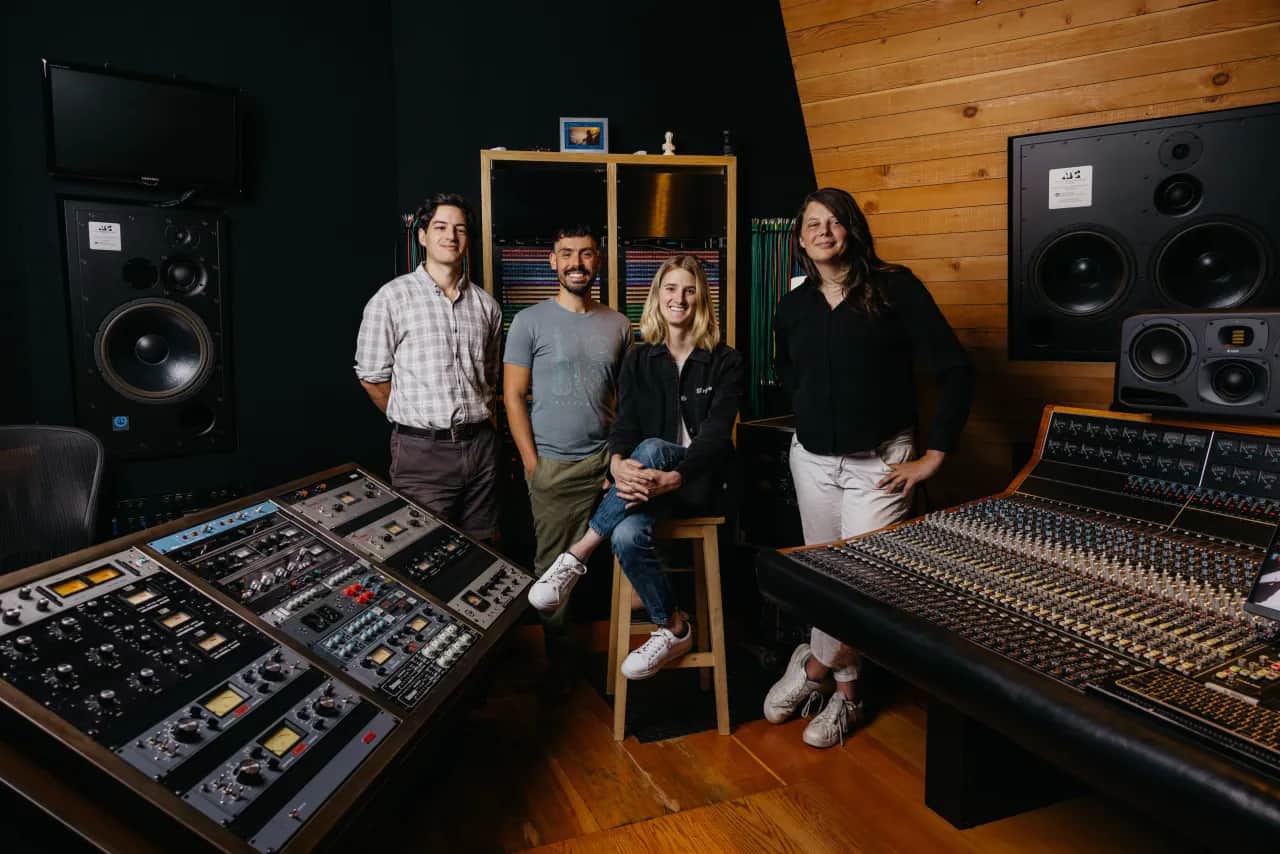
A San Francisco startup building AI voices that customers actually want to keep talking to has closed a new funding round aimed at pushing the technology past its current, often awkward, limitations.
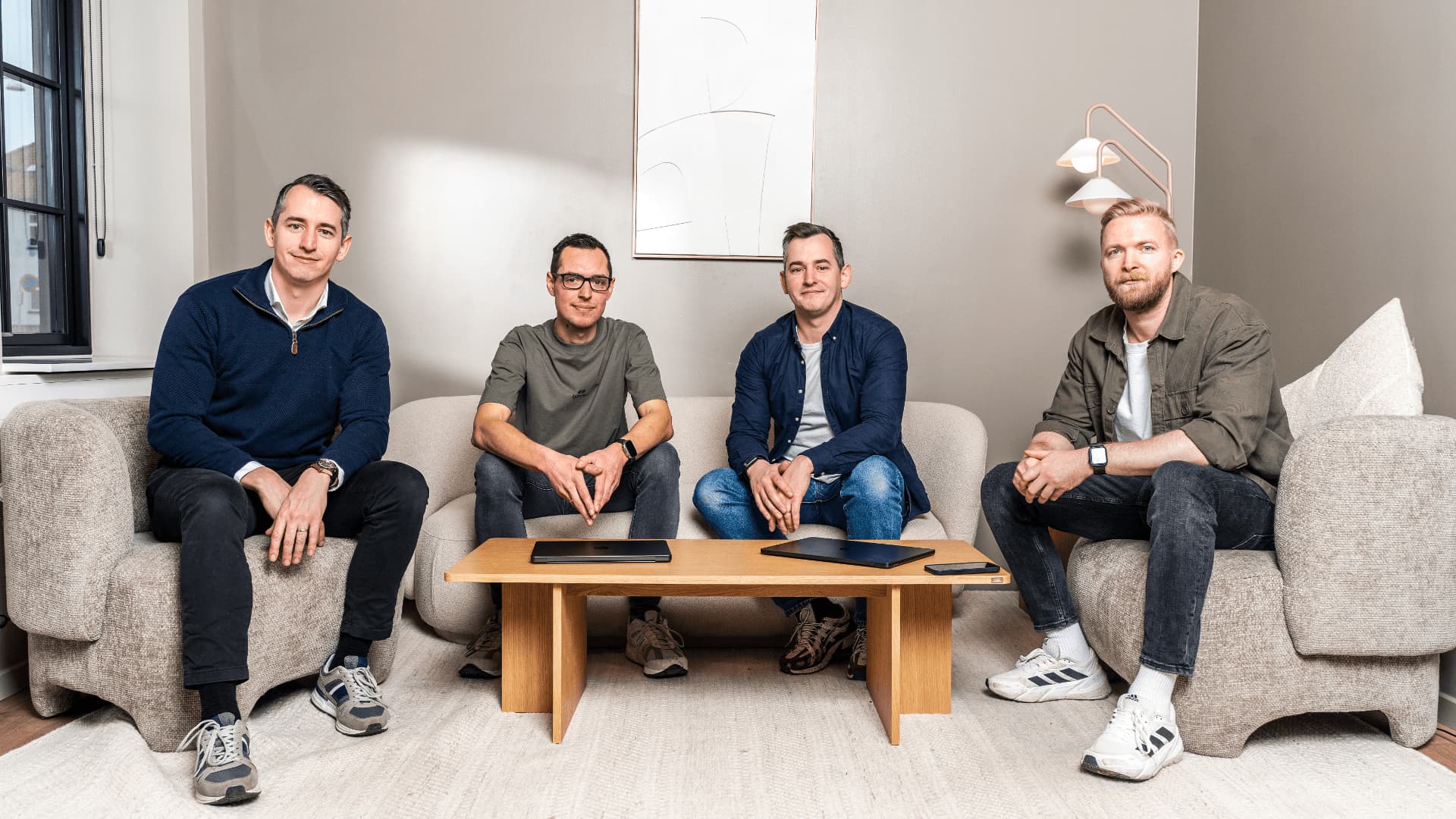
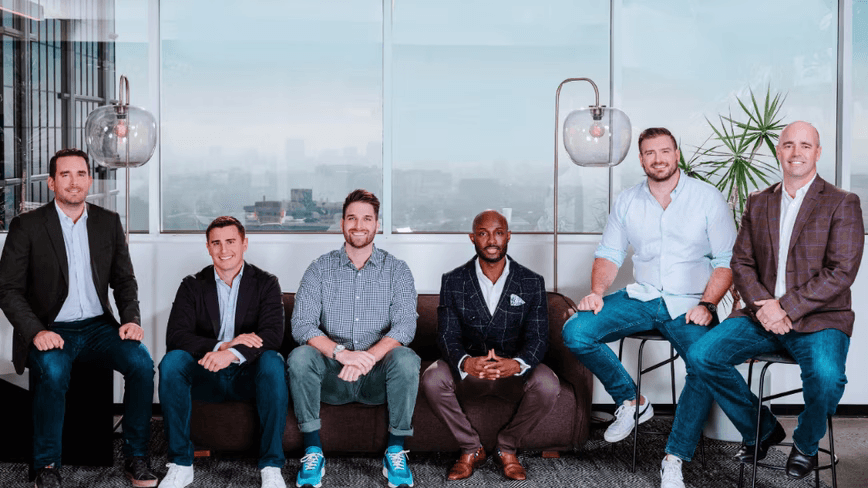
Rime has raised 24 million dollars in a Series A round led by M13 Ventures, with participation from Twilio Ventures, Corazon Capital, and existing backer Unusual Ventures. The round follows a 5.5 million dollar seed raised in May of last year and brings Morgan Blumberg of M13 onto the company's board.
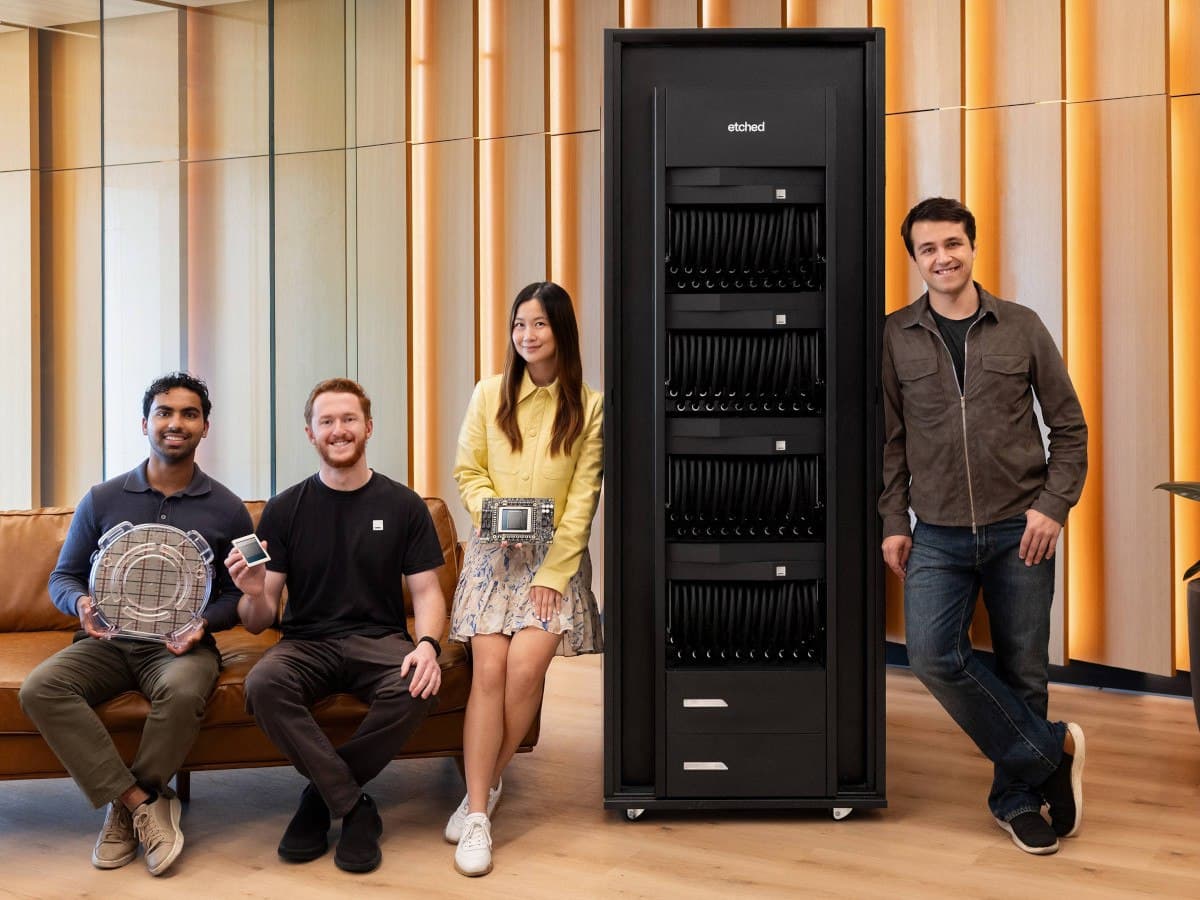
The company was founded in 2022 by Lily Clifford, a former Stanford computational linguistics PhD student, alongside ex‑Amazon Alexa engineer Brooke Larson and Stanford engineer Ares Geovanos. Rather than train its voice models on scraped internet audio, the way much of the industry does, Rime built its own recording studio in San Francisco to capture real conversational speech. That decision shapes the company's entire pitch, since it means the models are tuned specifically for how people actually talk on the phone rather than how they read audiobooks or scripted lines.
Clifford has been blunt about the gap she is trying to close. Large language models made it far easier to build voice applications that technically function, she has said, but they did not change how those interactions actually feel to the person on the other end of the line. Talking to most voice AI agents today still resembles an old‑fashioned phone menu system, just with a smoother voice attached to it.
Rime's technical approach centers on a phoneme‑based architecture that adapts to the correct pronunciation of brand names, medical terms, and industry‑specific vocabulary without requiring each customer to retrain the underlying model. That matters more than it might sound, since mispronouncing a company name or a drug name on a support call is exactly the kind of small failure that breaks a customer's trust in an automated system. The company says its approach also keeps callers on the line longer compared with competing voice platforms, a metric that has helped it land enterprise contracts with Mayo Clinic, Dialpad, Upstart, and Asurion.
The startup currently powers close to 100 million phone calls a month across healthcare, food service, airlines, and fintech, according to the company. That scale puts it in a category increasingly described as one of voice AI's clearest commercial wins so far, since handling live customer calls in sales, support, and scheduling has proven to be one of the few voice AI use cases with immediate, measurable enterprise demand.
With the new capital, Rime plans to grow its 35‑person team by hiring across model development, engineering, and partnerships. The company recently brought on Rafael Valle as chief scientist, who previously worked on audio understanding research at Meta Superintelligence Labs and Nvidia's applied deep learning audio team. His hire signals where Rime intends to focus next, on collapsing its current pipeline of separate speech‑to‑text, language, and text‑to‑speech models into a single, faster speech‑to‑speech system.
That technical shift matters because it directly targets the latency and turn‑taking problems that make automated calls feel stilted. A caller pausing mid‑sentence, background noise interrupting a response, or an awkward gap before the AI replies are the kinds of small frictions that separate systems people tolerate from systems people actually prefer. Moving to a unified speech‑to‑speech model is also intended to reduce Rime's dependence on orchestrating multiple separate systems, simplifying both performance and reliability.
The funding round arrives as the voice AI sector continues attracting significant capital and increasingly direct competition. Companies including ElevenLabs have expanded beyond pure voice modeling into orchestration and full application layers, pushing into territory occupied by conversational AI platforms like Sierra and Decagon. Blumberg, the M13 partner joining Rime's board, framed the company's staying power differently, arguing there remains substantial technical work left to do on building the single best‑performing model with low latency and high reliability, particularly for customers operating in regulated industries like healthcare and finance where compliance requirements are strict.
Rime's emphasis on staying focused purely on the modeling layer, rather than expanding into a broader application or orchestration platform, appears to be a deliberate bet that the underlying quality of the voice itself remains an unsolved problem worth specializing in. Independent testing has offered some support for that positioning. A survey‑based study conducted by a research firm using nearly 100,000 calls to households across the United States found that more people completed surveys with Rime's voice than with competing systems from ElevenLabs and Google, suggesting that the specific choice of voice model can meaningfully affect whether people stay engaged with an automated call rather than hanging up early.
Stay informed
Startup news in your inbox
Get important funding rounds, founder stories, and startup updates.
No spam - only important startup updates.