INXM Exits Stealth With €5.7 Million Pre-Seed to Fix Enterprise AI's Biggest Failure: Compiled AI That Executes Predictably Across ERP and PLM Systems
Editorial Team
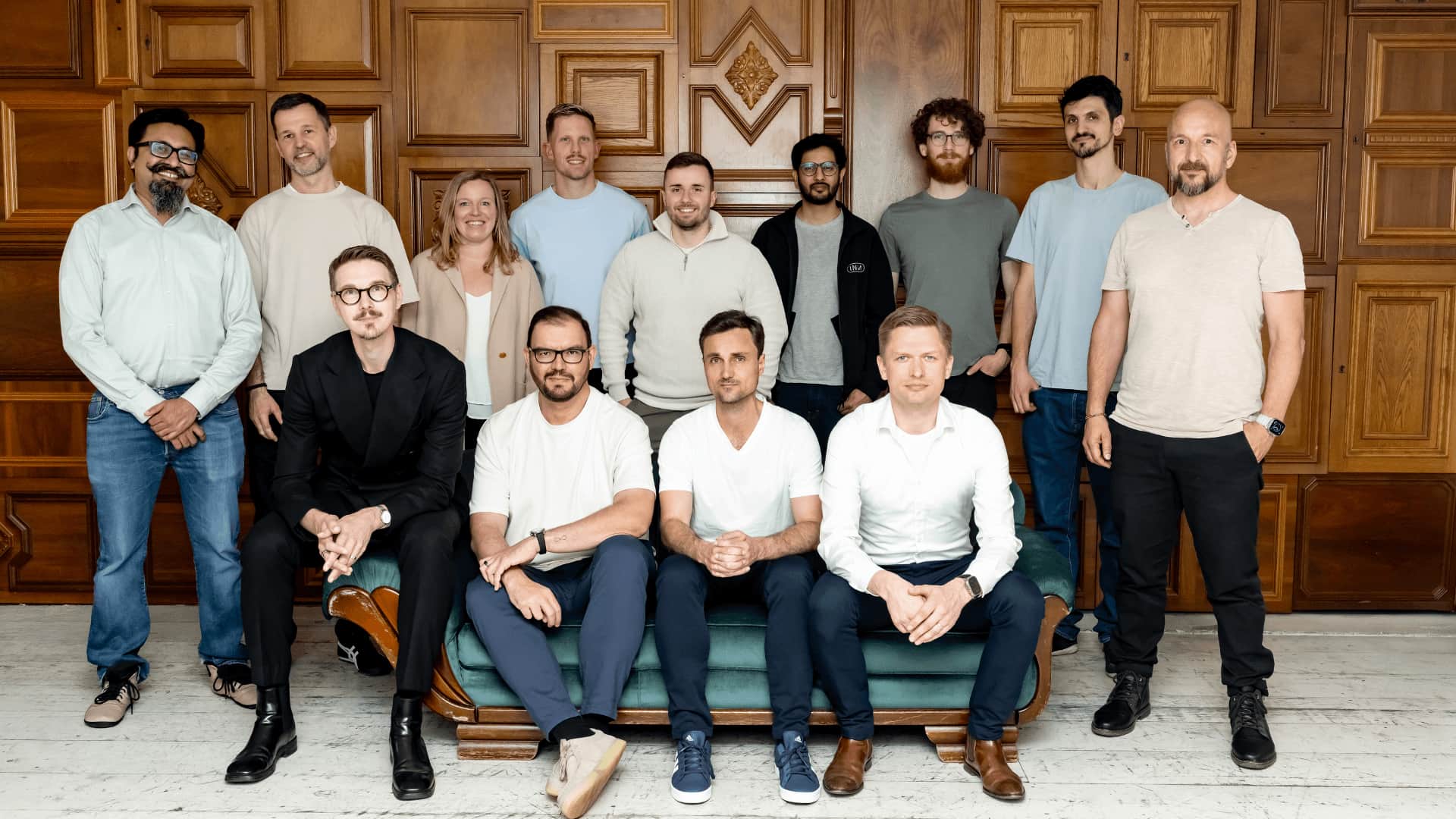
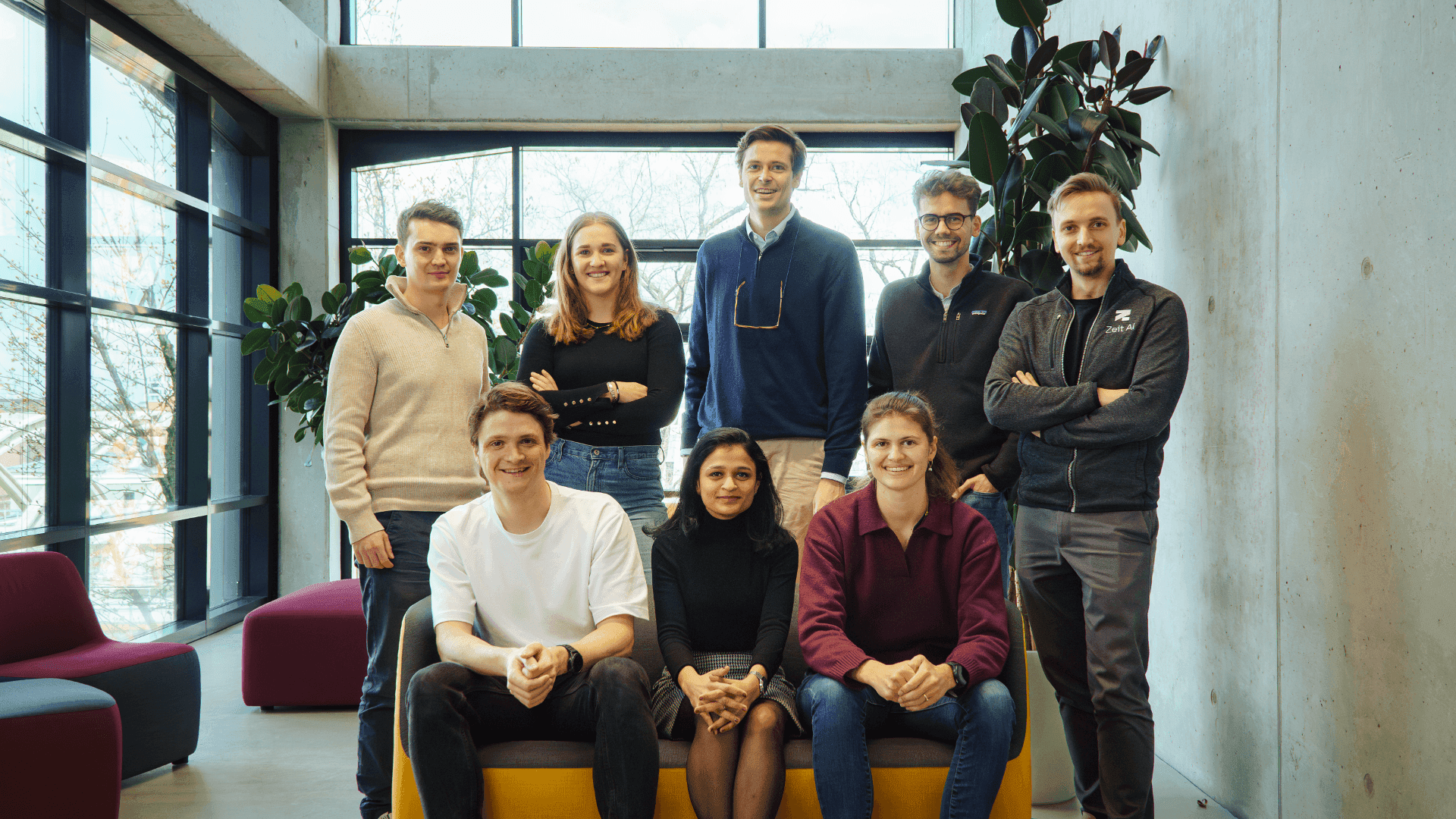
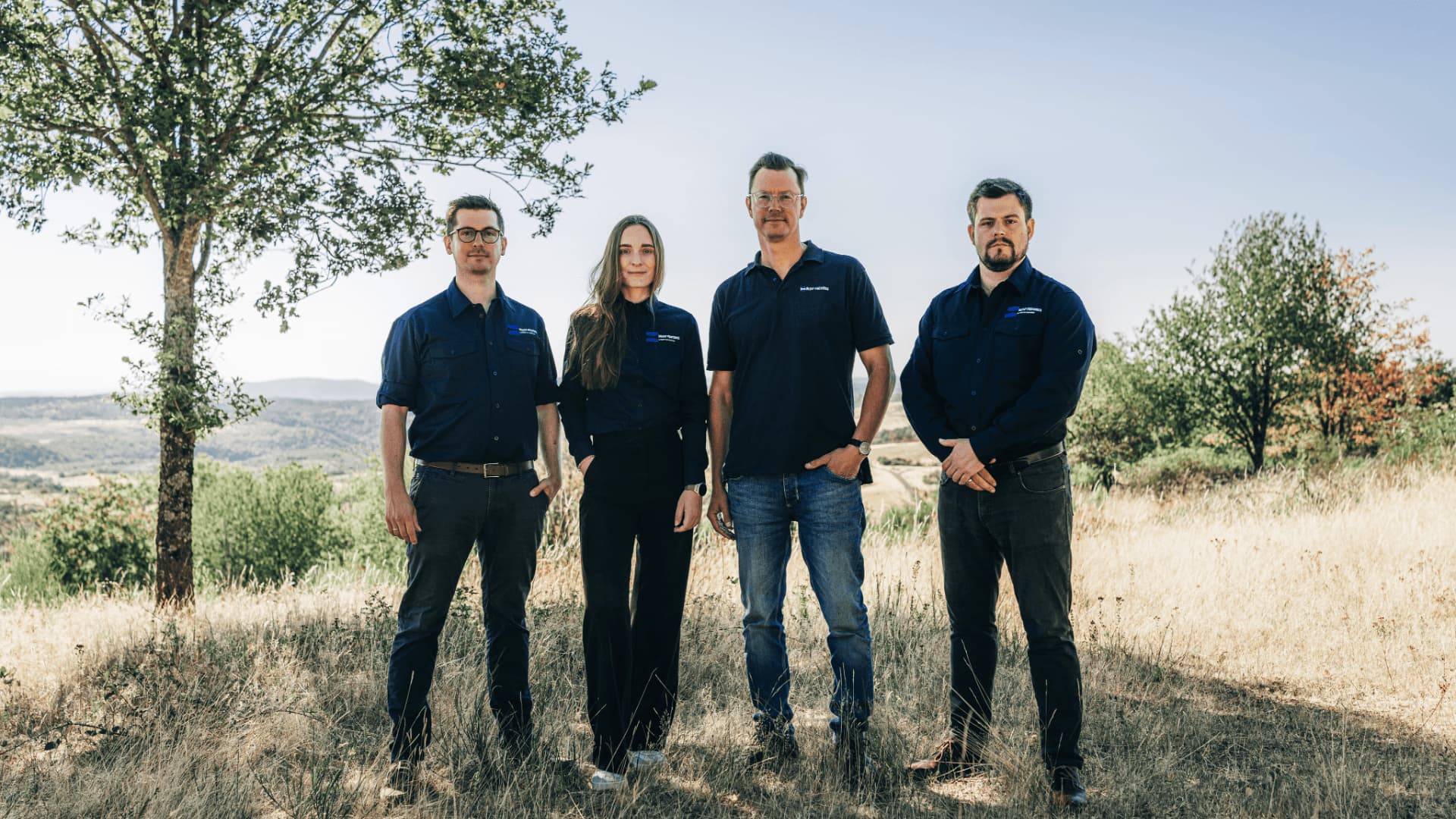
INXM, a Berlin‑based startup tackling one of the most persistent and expensive problems in enterprise technology, has emerged from stealth with €5.7 million in pre‑seed funding and a product architecture that fundamentally reframes how AI integrates with industrial operations. The round was co‑led by Cherry Ventures and Redstone, with Angel Invest and Linden Capital also participating. The company was founded in 2025 by Alex Oelling, Matthias Kainer, Jesper Bylund, and Kamil Klüber, all veterans of enterprise systems and aerospace programmes who built the startup around a problem they encountered firsthand in some of the most complex engineering environments in Europe.
Fresh capital will fund initial deployments across European industrial enterprises and Mittelstand operations, the dense layer of mid‑sized German, Austrian, and Swiss manufacturers that form the backbone of the continent's industrial economy and have the most to gain from AI‑driven operational efficiency if AI can actually be made to work reliably in their environments.
The Enterprise AI Problem INXM Is Solving
The scale of enterprise AI disappointment is well‑documented. Surveys of enterprise technology leaders consistently show that the vast majority of AI pilots never reach production. Those that do often deliver unreliable results, introduce compliance risks, or fail to integrate cleanly with the existing operational infrastructure. The diagnosis is rarely that the AI models are not capable enough. The deeper problem is architectural: most enterprise AI deployments ask large language models to handle live, real‑time actions against production systems, and LLMs are not deterministic.
When an LLM is instructed to update a record in an ERP system, validate a component in a PLM tool, or reconcile figures across Excel sheets, it makes probabilistic decisions in real time. Small variations in context, prompt construction, or model behaviour can produce different outputs from one run to the next. In a knowledge work setting, that unpredictability is tolerable. In an industrial or financial operational context, where a wrong update to a parts inventory, a misclassified supplier payment, or an incorrectly logged compliance action can have real downstream consequences, probabilistic execution is not acceptable.
This is the problem INXM was founded to solve, and its solution has a name: Compiled AI.
What Compiled AI Actually Means
INXM's core technical insight is a separation of concerns borrowed from the history of software engineering. In conventional software, compilers translate human‑written source code into machine‑executable binary instructions. The source code is readable and expressive. The compiled output is precise and deterministic. The two layers serve different purposes and are deliberately kept separate.
INXM applies the same logic to enterprise AI. Rather than asking an LLM to execute live actions against production systems, the platform uses LLMs strictly to generate workflow code. That code is then reviewed, validated, and compiled into deterministic process logic that executes predictably across the organisation's existing ERP, PLM, and Excel stacks every time it runs. The LLM's role ends at code generation. Execution is handled by verified, auditable, enterprise‑grade process code.
The implications of this architecture are significant. Every action taken by an INXM workflow is fully traceable to the code that generated it. There are no runtime surprises, no hallucinated field values, no probabilistic decisions in production. The system produces the kind of auditable data trail that EU AI Act compliance and GDPR requirements demand, and it does so natively, not as a post‑hoc logging layer bolted onto an unpredictable execution engine.
Oelling, who serves as CEO, described the problem directly: enterprises have experienced years of implementation effort, armies of engineers, and AI systems that break more than they fix. Knowledge workers still copy‑paste between ERP, PLM, Excel, email, and approval workflows to close a month. INXM's stated ambition is to turn AI from a productivity tool into the operational backbone of European industry.
Founders With Aerospace‑Grade Engineering Credentials
The founding team's backgrounds are what drew Cherry Ventures into the round with conviction. Oelling previously served as Chief Digital Officer at both Isar Aerospace, the Munich‑based orbital launch vehicle company, and Volocopter, the German electric air taxi pioneer. Both roles required building digital and operational infrastructure capable of supporting safety‑critical manufacturing processes where the cost of a system failure is measured not in lost productivity hours but in mission risk.
Filip Dames, Founding Partner at Cherry Ventures, said INXM had reframed the problem entirely, describing Compiled AI as a new architectural paradigm. The observation reflects the investment thesis: this is not an incremental improvement to existing enterprise AI tooling but a structural rethink of where LLMs belong in the production workflow stack.
Michael Brehm, Founding Partner at Redstone, noted that founders who have brought rocket engines and air taxis to production readiness develop a different mindset than most software teams. That mindset is specifically what INXM is applying to an enterprise AI market that has been defined by high expectations and underwhelming production outcomes.
European Industrial Focus and Regulatory Architecture
INXM's positioning as a specifically European enterprise AI company is deliberate and commercially meaningful. Mittelstand operators, the mid‑sized industrial manufacturers that account for a substantial share of Germany's export base, typically operate legacy ERP and PLM environments that predate modern cloud infrastructure. They have significant operational complexity, tight margins, and strong incentives to automate repetitive knowledge work, but they also have strict data governance requirements and limited tolerance for IT risk.
INXM is built for this customer. The platform is designed for on‑premise and local deployment, ensuring full data ownership and sovereignty, a prerequisite for many European industrial operators rather than a nice‑to‑have. Its compliance architecture is aligned with the EU AI Act's requirements for high‑risk AI systems in operational contexts, and its deterministic execution model produces the audit trails that both GDPR and sector‑specific industrial regulations require.
With the pre‑seed closed and the first enterprise deployments funded, INXM enters the second half of 2026 with a clear focus: prove the Compiled AI model at scale with initial industrial customers and demonstrate that the architectural differentiation that convinced Cherry Ventures and Redstone translates into production results that close the gap between AI pilots and AI operations.
Stay informed
Startup news in your inbox
Get important funding rounds, founder stories, and startup updates.
No spam - only important startup updates.