HumanX 2026 Officially Kicks Off in San Francisco: The AI Conference That Puts Boardrooms Before Buzzwords
Editorial Team
San Francisco's Moscone Center is the venue. The date is April 6, 2026. And as of today, HumanX, the conference that its organizers have positioned as the most important AI gathering on the calendar, is officially open.
For four days, April 6 through 9, approximately 6,500 executives, founders, investors, engineers, policymakers, and media professionals will converge on one of the most recognisable conference venues in the world for an event that has made a specific and deliberate bet about what the AI industry actually needs right now. Not another showcase of demos that will not reach production. Not another stage full of researchers discussing models that most companies cannot yet deploy. What HumanX is built around is a single, commercially grounded question: how do the organizations that have already decided to invest in artificial intelligence actually make it work?
That framing, practical over performative, execution over hype, boardroom over laboratory, is the reason HumanX has grown from a Las Vegas debut with 3,500 attendees in 2025 to a Moscone Center flagship with nearly double that attendance in its second year.
Why San Francisco and Why Now
The decision to move HumanX from Las Vegas to San Francisco for 2026 was not simply a venue upgrade. It was a strategic repositioning that San Francisco Mayor Daniel Lurie publicly welcomed as a signal of the city's AI leadership ambitions. OpenAI is expanding its campus in Mission Bay. Databricks has committed $1 billion to investment in the city. The San Francisco Travel Association has described the Moscone Center conference calendar as a core part of the city's economic recovery and identity as a global innovation hub.
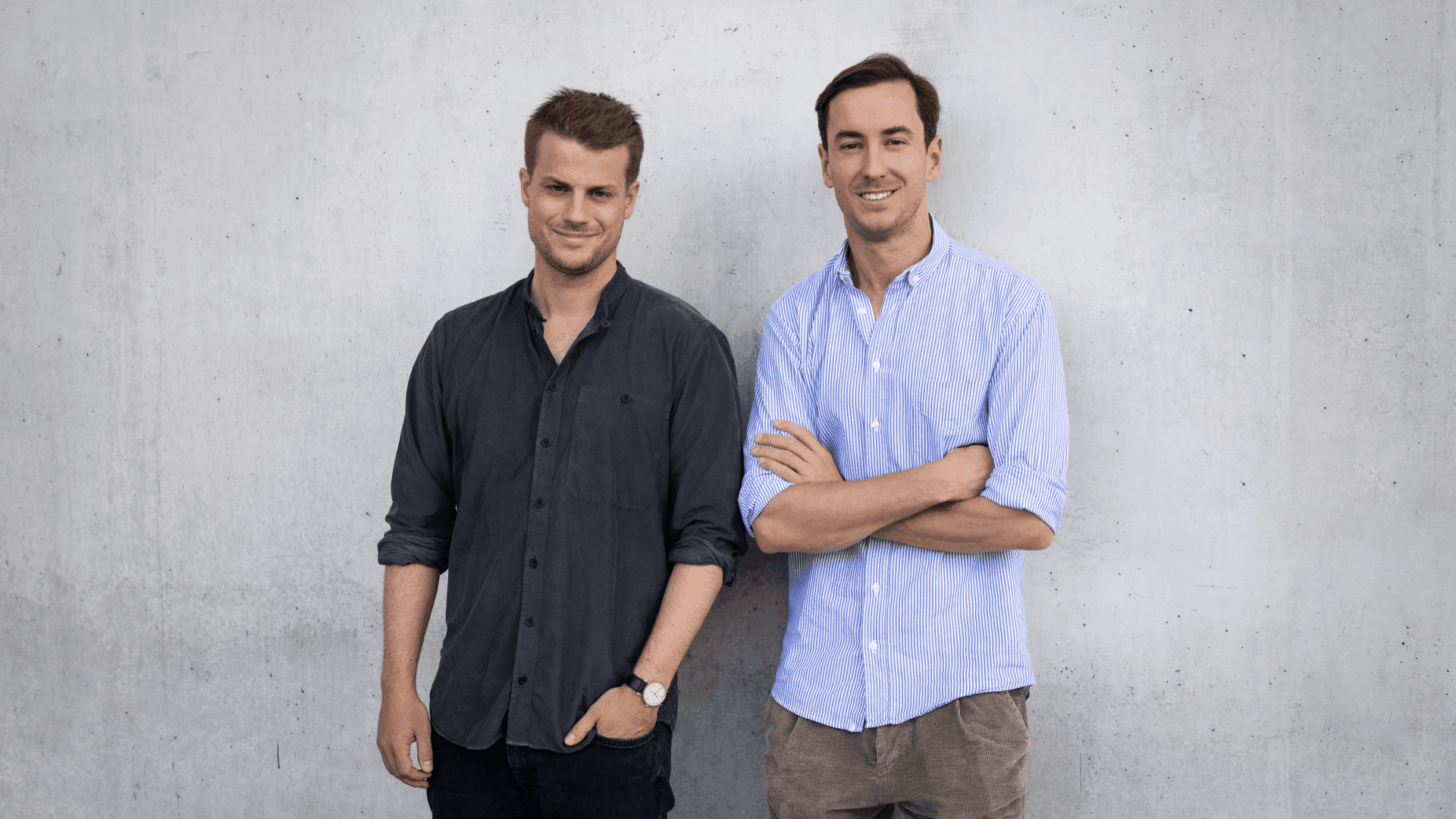
For HumanX, the city is not a backdrop. It is part of the product. Stefan Weitz, co‑founder and CEO of HumanX, said at the announcement that by bringing the event to San Francisco, the organization is immersing attendees in the very ecosystem that is defining the next generation of AI breakthroughs. That ecosystem proximity matters when the conference's primary audience consists of executives who are actively making billion‑dollar decisions about AI infrastructure, vendor selection, and organizational transformation.
Moscone Center conferences are projected to generate approximately $600 million in economic impact for San Francisco across 2025's events. HumanX 2026's 6,500 attendees, 350‑plus speakers, 400‑plus sponsors, and 300‑plus journalists represent a significant contribution to that figure, and the city's administration has treated the conference's arrival as a meaningful institutional endorsement.
The Speaker Lineup That Makes This Worth Four Days
The speaker policy at HumanX is the first thing that distinguishes it from most technology conferences. There is no pay to play. Every speaker on the main stages earned their place through the value they bring to the audience, not through a sponsorship budget. This is a meaningful commitment in a conference market where purchased keynote slots are common, and it is the primary reason the confirmed speaker list reads the way it does.
The headline names confirmed for HumanX 2026 represent a sweep across foundation model research, enterprise deployment, investment, climate, and frontier AI applications.
- Bret Taylor, co‑founder of Sierra and Chairman of the OpenAI Board, brings the governance and commercialization perspective of the most scrutinised AI company in the world to an audience that is making enterprise decisions based partly on OpenAI's trajectory.
- Andrew Ng, founder and CEO of DeepLearning.AI and one of the most influential educators and advocates in AI, provides the practitioner's perspective that connects theoretical advances to enterprise implementation.
- Dr. Fei‑Fei Li, co‑founder of World Labs and director of the Stanford Human‑Centered AI Institute, is the researcher whose career has defined how the field thinks about visual AI and whose current work at World Labs is focused on spatial intelligence and physical AI, one of the most consequential research directions in the market.
- Matt Garman, CEO of Amazon Web Services, represents the cloud infrastructure perspective on AI deployment at the scale of millions of enterprise customers globally.
- Ali Ghodsi, co‑founder and CEO of Databricks, the data and AI platform company valued at over $60 billion, brings the enterprise data infrastructure view that is central to how large organizations move from AI experimentation to production.
- Al Gore, founding partner and chairman of Generation Investment Management, contributes the climate and long‑term capital perspective that increasingly intersects with AI infrastructure investment, as energy demand from data centers becomes one of the central constraints in the global AI buildout.
- Ray Kurzweil, the inventor and futurist who spent 14 years as a director of engineering at Google, is appearing for a session titled "Visions of the Future: The World in 50 Years," alongside Ethan Kurzweil, co‑founder and managing partner at Chemistry.
- Katrin Lehmann, CIO of Mercedes‑Benz, and representatives from P&G, Cisco, and other global enterprises ground the agenda in the reality of deploying AI inside large, complex organizations with compliance requirements, legacy infrastructure, and global workforces.
The Five‑Track Architecture Built for Decision‑Makers
HumanX 2026 is organized across five purpose‑built tracks, each designed for a specific professional context rather than a specific technology category. The architecture reflects the conference's understanding that the AI problem facing a CFO is structurally different from the problem facing a CTO, which is different again from the problem facing a startup founder, even when all three are working with the same underlying technology.
The Control Room track addresses how AI transforms the operational core of an enterprise, from finance and human resources to procurement and IT systems. Sessions in this track include how P&G is accelerating AI adoption for lasting business impact and practical frameworks for using AI to compress financial close cycles and automate workflow bottlenecks that have been manual for decades.
The Command Desk track focuses on executive leadership, examining how senior leaders convert AI capability into organizational leverage through capital allocation, governance frameworks, ethics management, and policy development. One session is titled "Leadership at Human Speed: Rethinking High Performance in AI‑Powered Organizations," which addresses the management question that most AI conferences skip entirely: when AI accelerates decision‑making speed, the constraint shifts from technology to human judgment and leadership alignment.
The Customer Engine track examines how customer‑facing teams across marketing, sales, and support are using AI to generate demand, serve customers faster, and deliver personalized experiences at scale. A session called "The AI‑Ready Marketer: Reengineering the Marketing Engine for the AI Era" addresses the practical restructuring that marketing organizations must undergo as generative AI changes the economics of content production, campaign personalization, and audience targeting.
The Ecosystem track brings together startup founders and venture capital investors to examine how companies achieve scale in the current AI market, how the investment landscape is evolving, and which segments of the AI stack are most likely to produce the next generation of significant companies.
The Builders track addresses the technical side of the conference, covering model training, experimentation, infrastructure, and deployment for the engineers and technical leaders who are building the systems that the other four tracks depend on.
The Opening Framework: Five Layers That Define the Industry
The official welcome session, delivered by Stefan Weitz and featuring voices from Nvidia, Dr. Fei‑Fei Li, and Al Gore, establishes the intellectual framework that anchors the four days. Weitz has laid out a five‑layer model for understanding where the AI industry stands and where it is heading: Chips, Infrastructure, Models, Applications, and Energy.
The five‑layer framework is not academic. Each layer represents an active investment category, a competitive battleground, and a set of enterprise decisions that the 6,500 people in the room will make or influence in the weeks and months following the conference. Chips means the Nvidia dominance question and the emerging challenge from AMD, custom silicon from hyperscalers, and specialized inference hardware from startups. Infrastructure means the neocloud buildout, the data center energy crisis, and the software orchestration layer. Models means the foundation model landscape, open versus proprietary choices, and the vertical AI application layer. Applications means the enterprise deployment reality and the gap between what AI can do and what organizations can actually deploy safely. Energy means the growing constraint that no AI strategy can ignore as data center power demand approaches grid‑level significance.
Networking and Side Events
The formal agenda represents only part of what HumanX offers. The conference's networking architecture includes SolutionBridge, a structured program that matches enterprise buyers with solution providers based on specific deployment needs; VentureConnect, which connects founders and investors in curated meetings designed to be more targeted than a networking reception; and Peer Exchange sessions in each track that bring together executives facing similar challenges in confidential, facilitated conversations.
Side events running alongside the main conference include the Yahoo and COMMAND opening night reception on April 6, a founders and investors social, a StartX community happy hour, the HumanX After Hours event designed for high‑signal conversations between early‑stage builders and active investors, and a press conference from Superhuman, the AI‑powered email productivity company.
The two‑hundred‑plus vendor expo hall runs in parallel with the main agenda, featuring product demonstrations, proof‑of‑concept showcases, and direct access to technology vendors across every category of enterprise AI deployment.
HumanX 2026 runs through April 9. With three days of full programming ahead after today's opening, the announcements, partnerships, and conversations generated at Moscone Center this week are worth following closely. In a market where enterprise AI decisions are being made at boardroom speed, the most consequential news from this conference may not be a keynote highlight. It may be a meeting that nobody else was in the room for.
Event: HumanX 2026
Dates: April 6 to 9, 2026
Venue: Moscone Center North and South, San Francisco, California
Expected Attendance: 6,500
Speakers: 350 plus, no pay to play policy
Tracks: Control Room, Command Desk, Customer Engine, Ecosystem, Builders
Organizers: Stefan Weitz (CEO) and Andrew Blum (COO), HumanX
Website: humanx.co
Stay informed
Startup news in your inbox
Get important funding rounds, founder stories, and startup updates.
No spam - only important startup updates.