Base44 Builds Its Own AI Model as Vibe Coding Startups Chase Defensibility


Base44, the vibe coding platform that Wix acquired for at least 80 million dollars less than a year after it was founded, has begun rolling out its first proprietary large language model. The move places the company at the center of a question that has been circling the AI startup world for months: can a business built on top of someone else's foundation model ever be truly defensible.
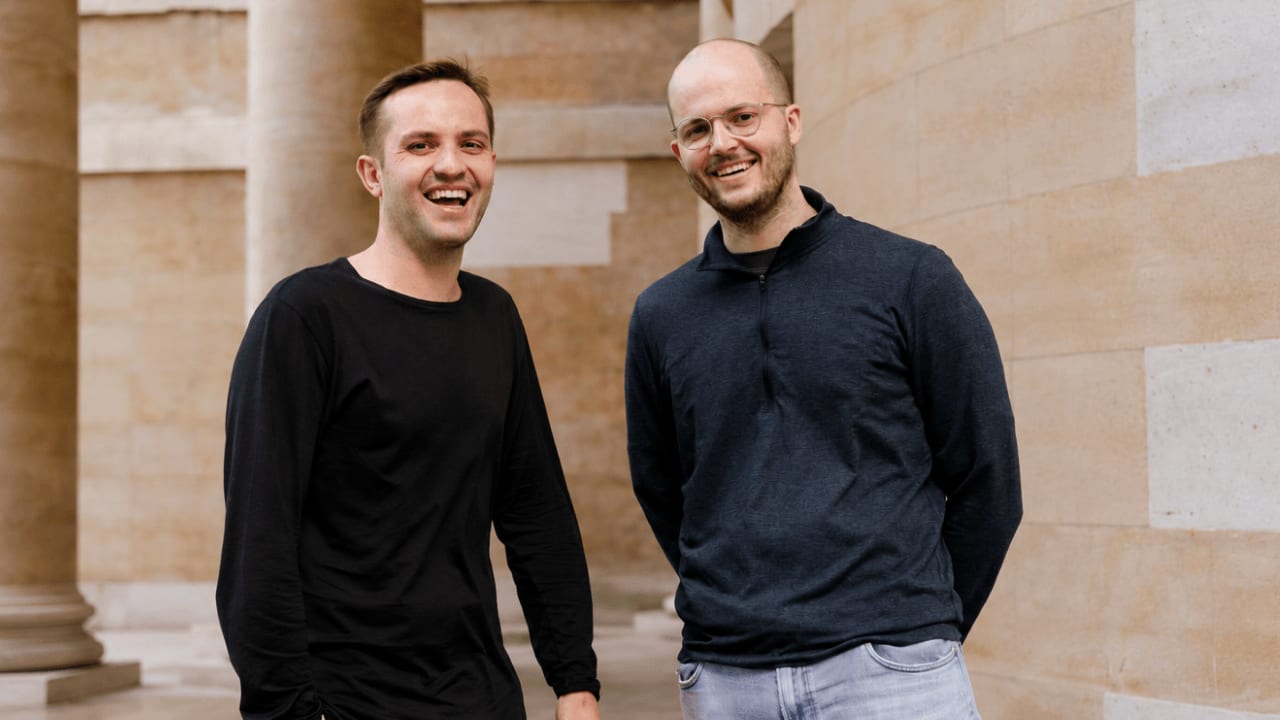
The new model, named Base1, is built on top of an existing open source foundation model and fine tuned specifically for application generation. Founder Maor Shlomo has described the decision as a way to gain more control over the parts of the product that matter most for users building software through natural language, namely latency, cost, and reliability at scale.
Why Owning the Model Matters Now
Until this rollout, Base44 relied on general purpose frontier models from providers including OpenAI and Anthropic to power its natural language to application pipeline. That approach works well early on, but it leaves a company exposed to pricing changes, rate limits, and competitive overlap, since the same frontier labs supplying the models are also building their own coding tools.
Shlomo has been direct about the rationale, noting that training and owning the model as part of the full stack opens up optimizations on latency, cost, and efficiency that are simply not available when renting access to someone else's infrastructure. He also expects more companies to follow a similar path once they reach enough scale and user volume to generate the kind of proprietary data needed to train a useful specialized model.
Base1 was trained on a dataset built from tens of millions of real user interactions on the Base44 platform. Every prompt submitted and every application generated becomes part of that training signal, creating a feedback loop where increased usage steadily improves the model. That advantage is not exclusive to Base44 forever, since rival vibe coding platforms are accumulating their own usage data at the same time, but Base44 is betting that being early gives it a meaningful head start.
A Three Part View of Defensibility
According to Jonathan Userovici, a general partner at venture capital firm Headline, sustainable advantage in AI products tends to rest on three pillars: proprietary data, strong distribution, and ownership of the technology stack. Base44's move to train its own model touches all three at once, since the company already has a large active user base feeding it fresh interaction data daily.
Userovici has also cautioned against assuming every applied AI company should follow this path. He points to legal tech company Harvey as an example of a startup that explored building its own model and ultimately stepped back from the plan. Training and maintaining a custom model requires sustained investment in infrastructure and specialized talent, and it only pays off if the resulting model genuinely outperforms general purpose alternatives for the specific task at hand.
Competition Beyond Other Vibe Coding Startups
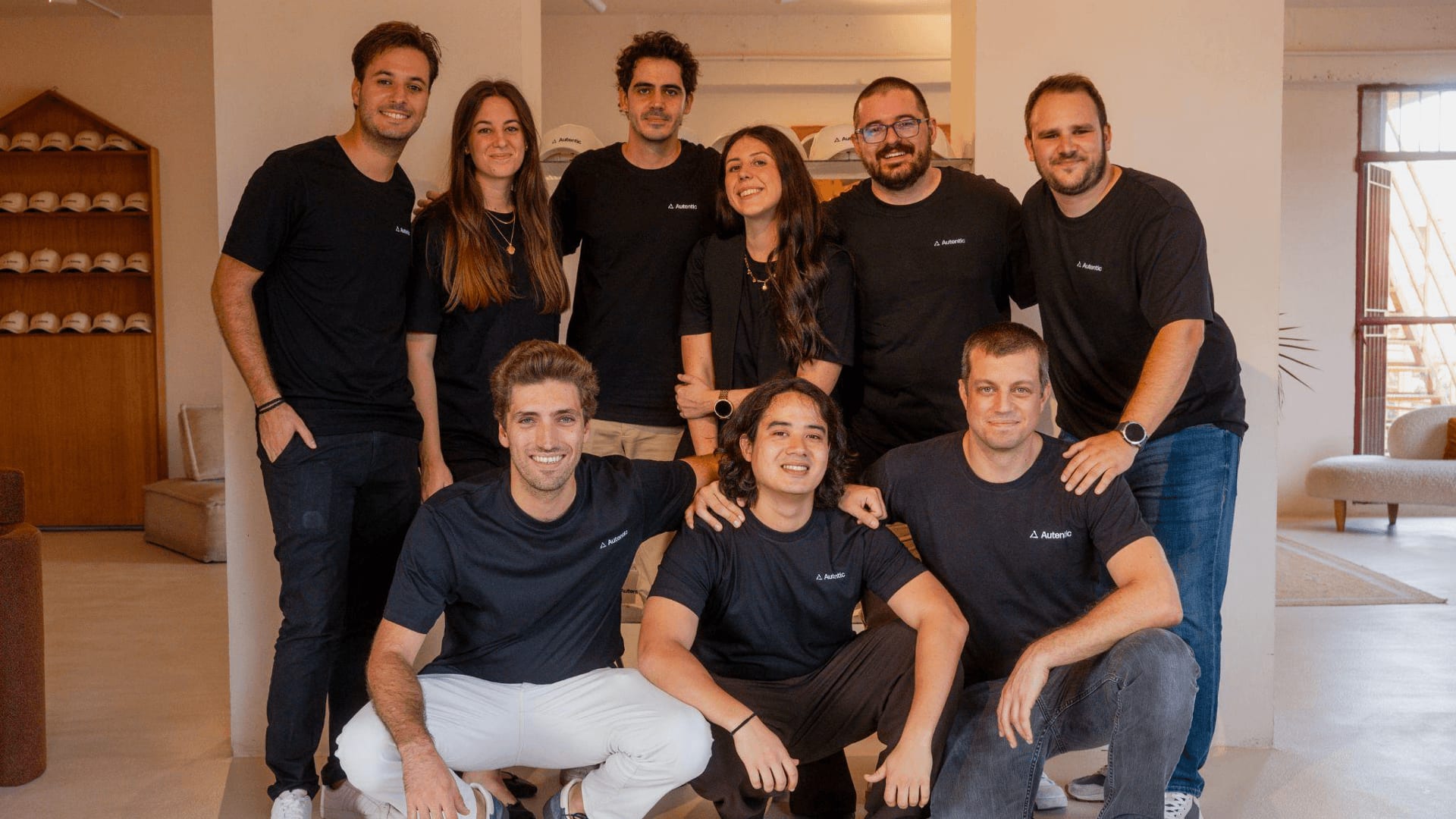
Base44 competes directly with companies like Swedish unicorn Lovable, which has continued to rely on external frontier models while scaling past 500 million dollars in annual recurring revenue. Base44 itself has surpassed 100 million dollars in ARR, a fast climb for a company that started with a team of just eight people before the Wix acquisition.
The bigger long‑term threat may not come from other vibe coding platforms at all. Frontier AI labs are increasingly building their own coding focused products, and tools like Claude Code have already become serious players in the same category that Base44 occupies. That overlap gives large foundation model providers direct access to usage data and feedback loops that could narrow the gap Base44 is trying to widen.
What This Signals for the Wider AI Market
Inference costs have become a real line item for companies running AI products at scale, and enterprise customers are increasingly questioning whether every task genuinely requires the most expensive, most general purpose model available. That cost pressure is part of what is pushing companies toward orchestration layers that route tasks to smaller, cheaper, more specialized models when a frontier model is not strictly necessary.
Base44's move suggests that owning a slice of the model layer, even a narrow and specialized one, is becoming part of how ambitious AI application companies plan to compete over the long run rather than treating frontier models purely as a rented utility.
Stay informed
Startup news in your inbox
Get important funding rounds, founder stories, and startup updates.
No spam - only important startup updates.
Comments
Text only. No links or images.
No comments yet.