Hypefy AI Raises $7.2 Million Series A to Put Influencer Marketing on Autopilot

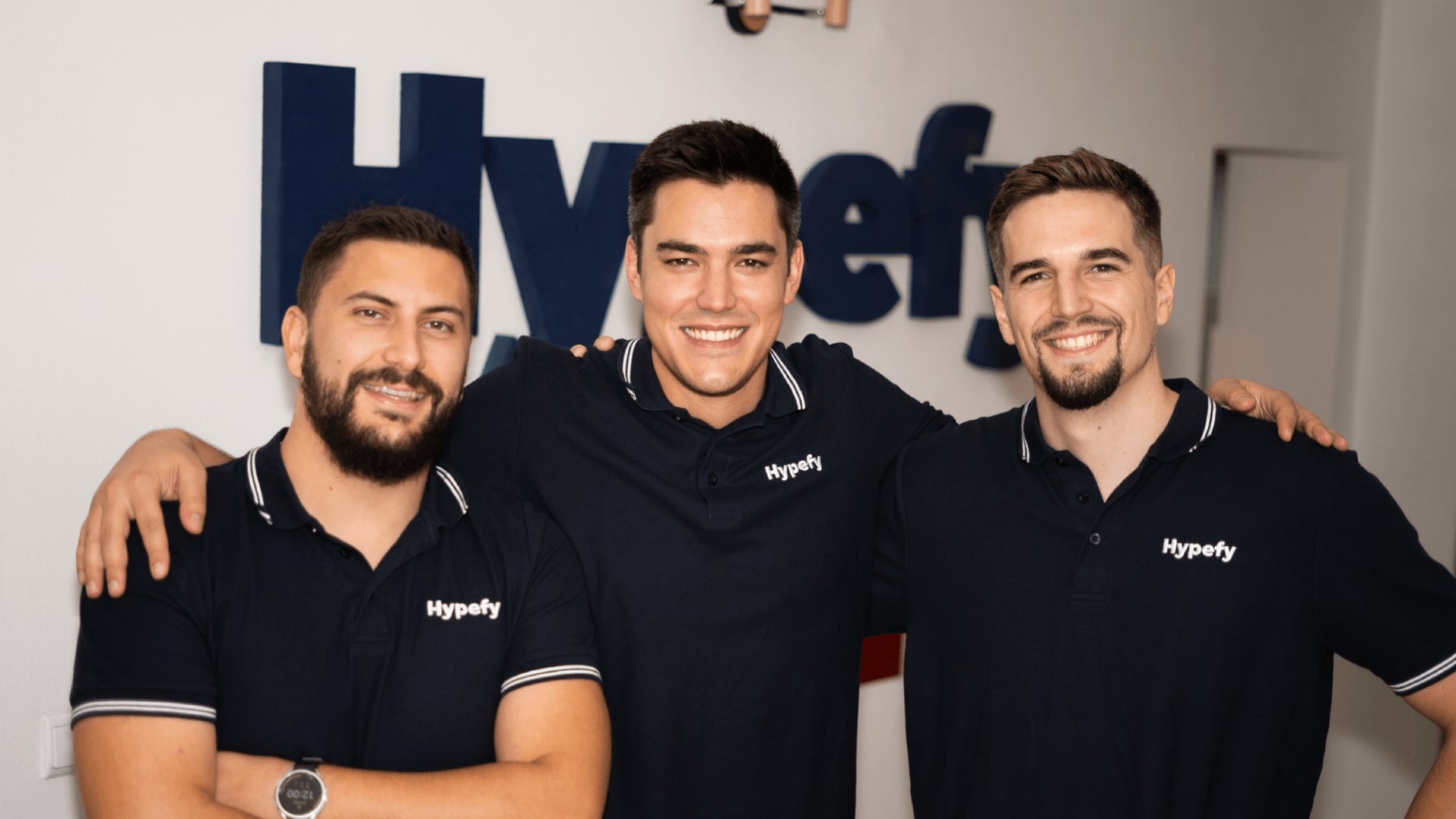
Running influencer campaigns at scale is a logistical problem that most marketing teams are still solving with spreadsheets, direct messages, and a rotating cast of agency contacts. Croatian AI startup Hypefy was built specifically to replace all of that, and it has now raised 7.2 million dollars in a Series A round to push further into that gap.
The round was led by AYMO Ventures, with existing investors Interactive Venture Partners, Oktogon Ventures, and Euroventures all returning. Fil Rouge Capital and angel investor Dražen Pehar, who backed the company at seed stage, also participated. The new capital follows a 1.75 million dollar seed round from last year and will go toward product development, international expansion, and team growth across Europe and the United States.
What Hypefy Actually Does
The platform covers the entire lifecycle of an influencer campaign from a single interface. Brands start by entering their campaign goals and product details. From there, Hypefy handles creator discovery, outreach, pricing negotiation, contracting, content review, performance tracking, and final payments. The logic behind the design is that brands should retain control over the decisions that actually matter, namely what gets briefed, what budget is allocated, and what content gets approved, while the platform absorbs everything else.
That operational layer is where influencer marketing has historically fallen apart at scale. A campaign running across three markets with a mix of macro and micro creators requires consistent outreach, follow‑up, coordination, and reporting that multiplies in complexity with every country added. Most brands either manage it manually across disconnected tools or outsource it to agencies who then manage it manually themselves. Hypefy's pitch is that the operational work should be automated so that the creative and strategic decisions are the only things left for humans to make.
CEO and co‑founder Stjepan Zelić described the underlying problem in terms that will resonate with any marketing lead who has managed a creator program at volume, noting that brands want creator‑driven growth but not more spreadsheets, direct messages, and tedious negotiations.
The Database and the Technology Behind It
Hypefy pulls from an internal database of more than 3,000 carefully vetted influencers alongside an external pool of over 12 million creators sourced directly from Instagram and TikTok. The vetting process includes bot detection to filter out inauthentic accounts, with the goal of ensuring that every creator a brand considers has real reach and engagement.
At the end of June 2026, the company rolled out what it calls Semantic Selection, a new matching layer that reads a creator's actual content rather than relying on bio keywords or category tags. A creator who never self‑identifies as a cooking account but consistently posts home‑cooked family meals can now surface for a food campaign brief. Every recommended name comes back with a stated reason for the match and a brand suitability score. The more specific the brief, the tighter the returned list.
The platform also flags that outreach follow‑up is one of the most commonly missed steps in influencer programs. In Hypefy's own benchmark data across nearly a thousand campaigns, more than half of the creators who eventually signed had ignored the first message and only converted after a follow‑up. The platform automates that follow‑up cadence automatically so no potential creator partnership falls through because a message was not resent.
Traction That Justified a Fourfold Jump
The Series A is more than four times the size of the seed round Hypefy closed last year, a jump that reflects real commercial traction rather than just a stronger macro environment. The company has now run thousands of campaigns across 43 countries, generating more than 700 million impressions in total. Its client list includes NIVEA, Unilever, ABOUT YOU, Philips, PepsiCo, McDonald's, and Samsung, all of which represent brands with the kind of international campaign complexity that puts the most pressure on manual workflows.
One case that illustrates the platform's value at scale is NIVEA's usage, which involved running 129 separate campaigns across four markets and reaching more than 43 million people, all through one platform and without requiring a separate agency contract in each country. That kind of operational compression is exactly what Hypefy is selling.
The company claims its platform reduces campaign management time by roughly 90 percent. Whether that figure holds consistently across different campaign types and market conditions is the kind of thing customer references will establish over time, but the early client base and campaign volume suggest the efficiency gains are real enough to retain enterprise‑level brands.
A Market That Is Growing Faster Than the Tools Available to Manage It
Influencer marketing has been one of the fastest‑growing segments in digital advertising for several years, yet it still represents a relatively small share of total advertising budgets compared to search or display. The combination of continued growth and current underrepresentation in overall budgets is part of why AYMO Ventures and the returning investors are willing to bet significantly more on Hypefy at this stage.
The operational complexity of managing creator partnerships does not go away as budgets increase. If anything, it multiplies. A brand that works with 50 creators in two markets faces entirely different coordination demands than one running 500 creators across fifteen markets, and that scale is where manual processes break down completely. Unilever made its own ambitions explicit in 2025, announcing plans to work with 20 times more influencers and shift roughly half of its advertising budget toward social and creator channels. Hypefy's platform sits directly in the path of that kind of structural shift.
Zelić has been clear that building from Croatia, outside the traditional centres of AI and adtech investment, was a deliberate choice to think globally from day one rather than building for a local market first. That orientation shows in the platform's multi‑country campaign architecture and its current footprint across Europe, North America, South America, Australia, and Africa. The Series A gives the company the runway to convert that early international reach into deeper commercial presence in markets where the influencer marketing category is most competitive.
Stay informed
Startup news in your inbox
Get important funding rounds, founder stories, and startup updates.
No spam - only important startup updates.
Comments
Text only. No links or images.
No comments yet.