Superhuman Acquires GPTZero: The $30M Move to Build AI’s "Authenticity Layer"

San Francisco‑based AI productivity giant Superhuman has officially agreed to acquire GPTZero, the leading AI content verification and detection platform.
The landmark deal consolidates two major forces in the generative AI space. Superhuman the expansive brand built following Grammarly's major strategic rebrand intends to use the acquisition to deploy a native, institutional "authenticity layer" across the modern digital landscape.
While the official cash‑and‑stock transactional values were kept confidential, the acquisition brings a highly profitable, capital‑efficient market leader under Superhuman’s corporate umbrella. GPTZero enters the transaction holding an impressive $30 million in annual recurring revenue (ARR) and supporting over 19 million registered users globally.
From Senior Thesis to Tech Powerhouse: The Rise of GPTZero
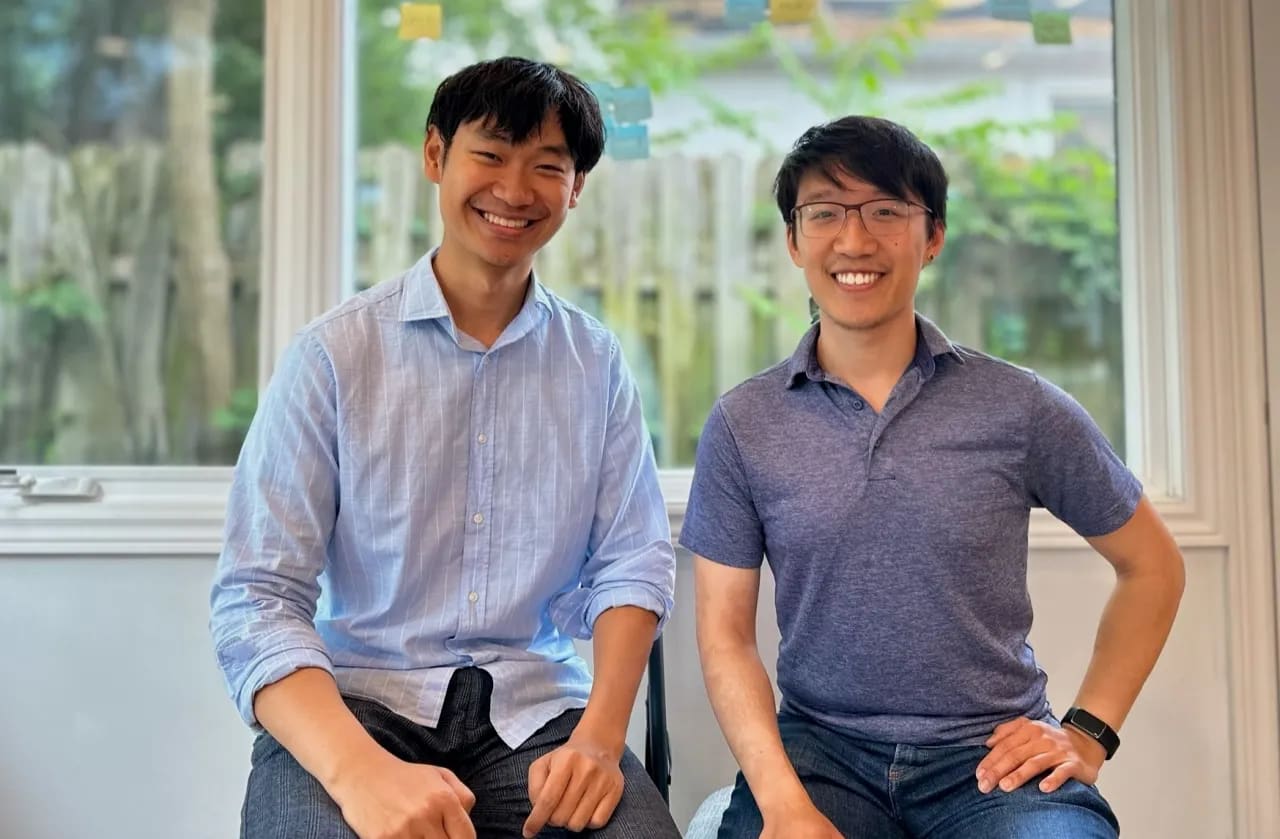
The origin story of GPTZero remains one of the most remarkable bootstrap‑to‑acquisition tales of the generative AI boom. Co‑founded just three years ago by Princeton University graduate Edward Tian and his high school friend Alex Cui, the application began as a simple senior thesis project designed to identify machine‑generated prose.
As large language models like ChatGPT flooded schools and workplaces, the utility of a rigorous statistical engine to determine content origin exploded into a global necessity. Unlike heavily funded rivals that struggled with cash burn, GPTZero focused on a lean operation.
Over its independent lifecycle, the company raised a modest $13.5 million in total venture financing. Its cap table featured elite Silicon Valley backers, including:
- Uncork Capital, which led their early $3.5 million Seed funding
- Footwork (co‑founded by Nikhil Basu Trivedi), which steered a $10 million Series A
- Strategic participations from Neo, Reach Capital, and Jack Altman's Alt Capital
By prioritizing specialized algorithms over generalized compute infrastructure, Tian confirmed that the business had already achieved standalone profitability before the acquisition offer.
The Architecture of the Superhuman Rebrand
To understand the strategic gravity of the deal, one must look at the recent evolution of the buyer. Superhuman is the updated corporate vehicle born out of Grammarly’s executive acquisition and holistic platform restructuring. By absorbing Superhuman’s hyper‑focused enterprise workflows and pairing them with its massive linguistic baseline database, the combined company transitioned from a point‑solution grammar checker to a global AI productivity suite.
Superhuman currently services 40 million daily active users and maintains a deep footprint spanning more than 1 million unique business applications and internet sites via its pervasive Superhuman Go digital assistant.
The company had previously launched an internal AI verification tool to help students check if their style models triggered algorithmic red flags. However, integrating GPTZero's multi‑layered architecture changes the dynamic entirely. While Superhuman's legacy engines focused on helping humans optimize and adjust writing styles, GPTZero brings a defensive arsenal tailored to combat low‑quality automated "slop" across professional sectors.
Operational MetricGPTZero (Acquired)Superhuman (Acquiring Entity)
Resolving the "AI Paradox": Integration and the Road Ahead
The business combination initially strikes industry analysts as an ironic paradigm. Superhuman actively promotes enterprise productivity by encouraging corporate workforces to deploy generative AI for communication. Simultaneously, it will now own the system used globally to police and flag that exact automated generation.
Superhuman’s executive leadership frames this paradox as the ultimate resolution to a two‑sided digital trust crisis. Writers require verification engines to guarantee their professional ideas are not unceremoniously mislabeled as AI‑generated. Concurrently, enterprise managers, publishers, legal units, and academic admissions officers need a reliable wall to isolate human synthesis from machine‑generated iterations.
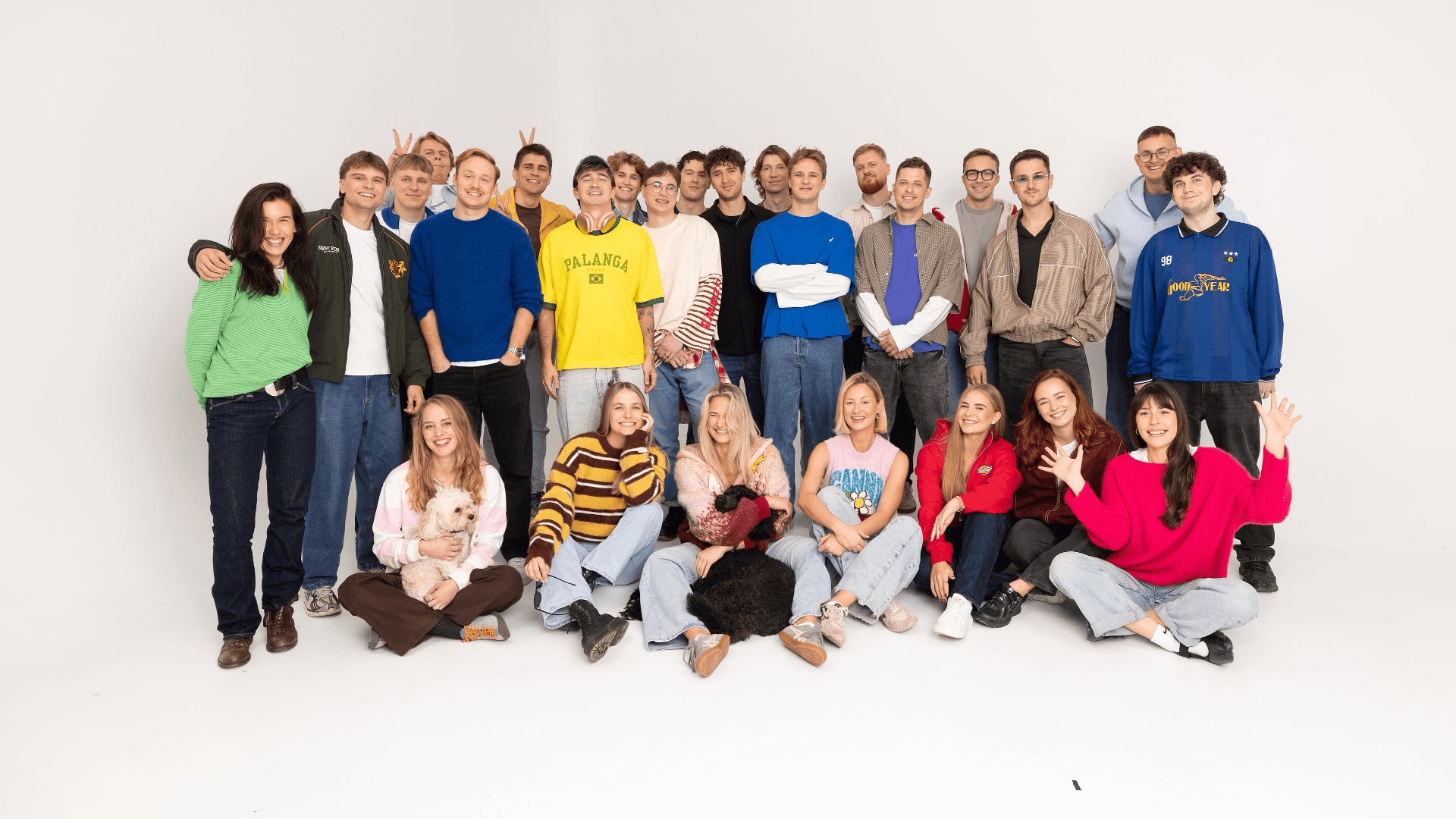
Under the terms of the integration, GPTZero’s entire 30‑person workforce will move into a newly formed transparency business unit inside Superhuman. The complete technical suite which includes hallucination mitigation trackers, advanced plagiarism detection, automated citation checking, AI Vision, and authorship tracking (Replay) will be embedded directly into the Superhuman Go browser utility.
Crucially, the standalone GPTZero interface will remain active, protecting the foundational student‑and‑educator audience that trusted the platform since its university inception. By blending GPTZero's forensic detection with Superhuman's deep dataset on how 40 million active humans formulate language, the combined entity aims to create a highly precise, definitive standard for text authenticity.
Stay informed
Startup news in your inbox
Get important funding rounds, founder stories, and startup updates.
No spam - only important startup updates.
Comments
Text only. No links or images.
No comments yet.