Zeliq Raises €7M To Put An AI Sales Agent Alongside Every Rep, Not In Their Place
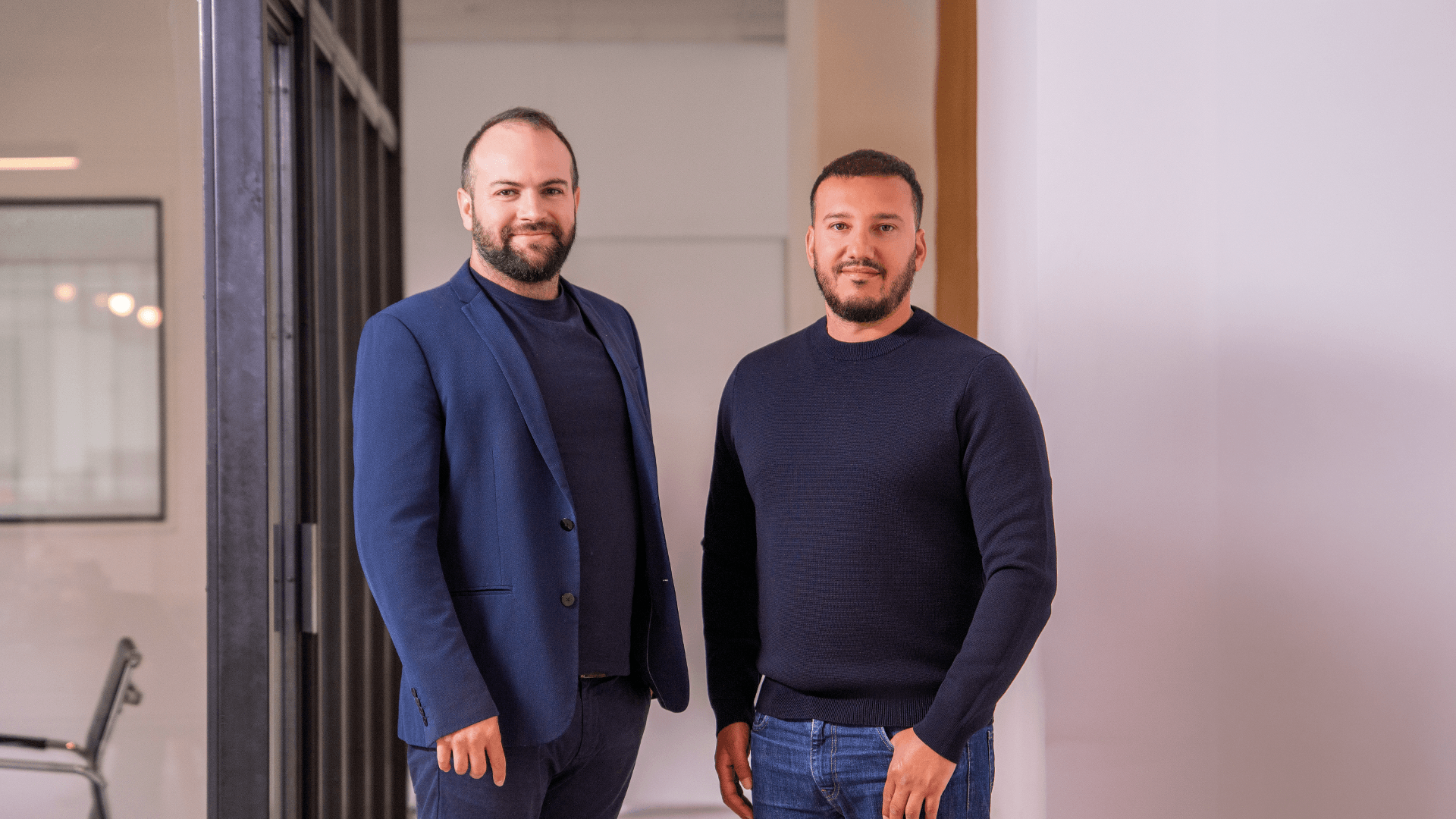
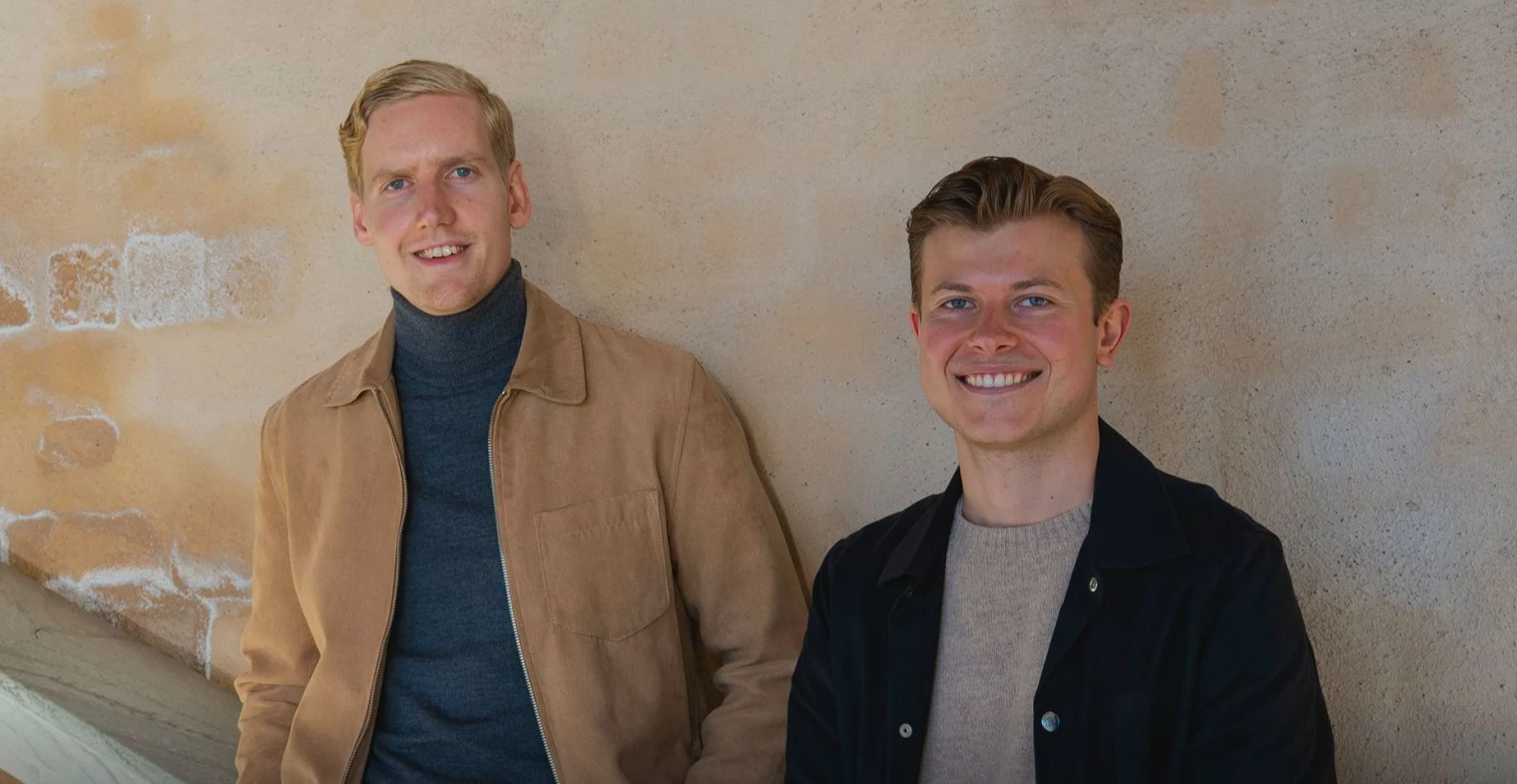
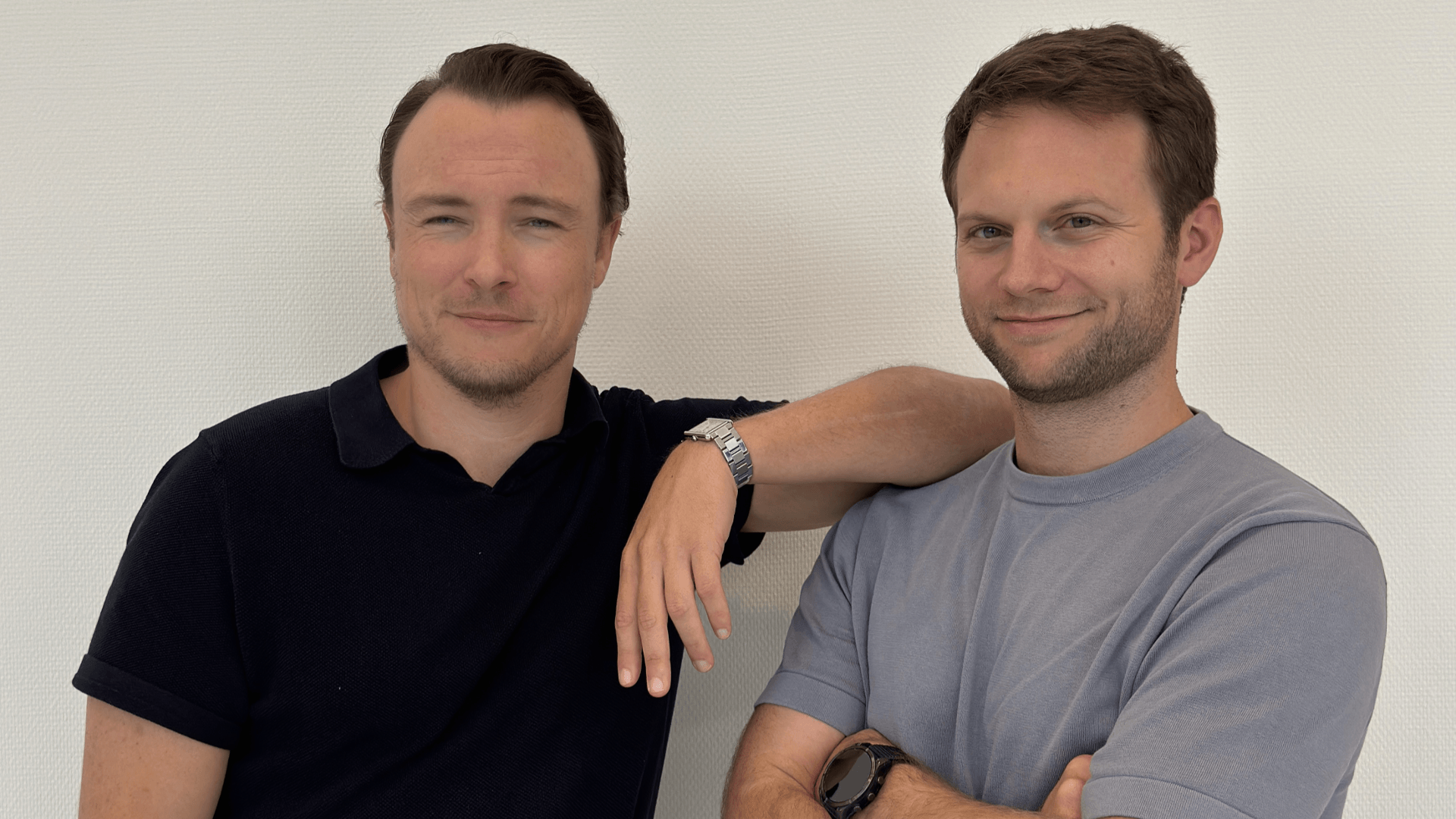
Dorian Ciavarella (CEO) and Guillaume Cruz (COO)
Image credit: Zeliq
Zeliq, a Paris based sales prospecting platform, has raised a 7 million euro seed extension to launch its first full AI sales agent, betting that sales teams want AI working alongside them inside a single platform rather than replacing them or forcing them onto yet another disconnected tool.
The round was led by The Moon Venture, with new investors Julien Jean, chairman at JJCapinvest, and Sylvestre Blavet, chairman at Freelance.com, joining. Existing investors Ora Global and Cleo Ventures also participated, alongside several business angels and family offices. The raise brings Zeliq's total funding to 21 million euros since the company's founding in 2023, spanning three distinct rounds, a 5 million euro pre‑seed in January 2023 raised on the idea alone, a 9.2 million euro seed round in mid‑2024 led by Exor Ventures once the product had launched but before significant revenue had come in, and now this 7 million euro extension arriving after the company had already built meaningful commercial traction.
Zeliq was founded by chief executive Dorian Ciavarella and Guillaume Cruz. Ciavarella previously built Hivency, an influencer marketing platform that grew to a network of 500,000 influencers and raised 6 million dollars before being sold to Skeepers, a company backed by PSG Equity, in October 2021. After spending a year leading Skeepers' European operations following that acquisition, Ciavarella co‑founded Zeliq to address a problem he had encountered directly as a customer during his time running sales operations, that sales teams typically rely on roughly 10 different tools to do their jobs, tools that were never built to work together and that force reps to spend a disproportionate amount of their time switching between systems rather than actually selling.
Zeliq's platform addresses that fragmentation by bringing prospect identification, data enrichment and multichannel outreach into a single interface, letting sales teams manage and automate their core activities without stitching together separate point solutions for each stage of the sales process. Ciavarella has framed the underlying trend behind that fragmentation starkly, arguing that for ten years sales teams have kept adding new SaaS tools to their stack, and the cumulative result has been greater complexity, more time lost switching between systems, and correspondingly less time spent actually selling.
Ahead of this funding round, Zeliq grew its user base from 2,000 to 20,000 and tripled its revenue, traction that appears to have shaped investor appetite for backing the company's next phase of product development rather than requiring an entirely new pitch. With the new capital, the company is launching Zelia, its first complete AI sales agent, built to help sales teams find prospects, gather and enrich contact data, and manage outreach directly rather than simply surfacing recommendations for a human rep to act on manually.
Zelia sits inside a broader product Zeliq calls its Agentic Revenue Workspace, an environment explicitly designed so that sales and marketing teams retain control over strategy and decision‑making while AI agents take on the more repetitive, operational tasks that currently consume much of a rep's day. Ciavarella has been direct about where he believes the line between human and AI responsibility should sit in this model, arguing that the best salespeople will not be replaced by AI, but will instead work alongside it, with the next generation of sales platforms built specifically around AI agents capable of executing tasks end to end while always remaining under human supervision.
That positioning distinguishes Zeliq's pitch from AI sales tools framed primarily around headcount reduction, leaning instead into a narrative where AI absorbs the administrative and research‑heavy portions of a sales role, freeing reps to spend more of their time on the relationship‑building and negotiation work that still benefits most from human judgment. Whether that framing reflects a genuine product design choice or a positioning decision aimed at easing enterprise buyers' concerns about AI replacing their sales organisations outright is likely to become clearer as Zelia moves from launch into wider customer deployment.
The new funding will go toward accelerating development of Zeliq's underlying AI infrastructure and its Agentic Revenue Workspace more broadly, doubling the size of its product and technology teams over the next year, continuing the company's expansion across Europe, and deepening partnerships with existing customer relationship management providers, a detail that suggests Zeliq is positioning itself as a layer that works alongside established CRM systems rather than attempting to replace them outright.
Zeliq enters an AI sales tooling market that has grown considerably more crowded since its 2023 founding, as a wave of well‑funded competitors have launched their own AI‑driven approaches to prospecting, outreach and pipeline management, each betting on a different combination of automation depth and human oversight. What differentiates Zeliq within that field is less a single standout technical capability than its specific bet on unification, consolidating what has historically been a fragmented, multi‑vendor sales stack into one platform where AI agents and human reps genuinely share the same environment rather than operating through separate, loosely connected tools. Whether that consolidation proves durable as larger CRM incumbents build increasingly capable native AI features of their own, potentially closing the same fragmentation gap from the opposite direction, will likely shape how much room remains for an independent platform like Zeliq to keep growing at its current pace.
Topics
Sources
Stay informed
Startup news in your inbox
Get important funding rounds, founder stories, and startup updates.
No spam - only important startup updates.