Sarvam AI Unveils Trillion-Parameter Model Plan And Steep Price Cuts At Epoch 2026
Sarvam AI epoch
Image credit: Sarvam AI
Sarvam AI used its first developer conference to lay out the most ambitious roadmap in its history, announcing plans to build a trillion‑plus parameter foundation model entirely from scratch in India while cutting prices further on its existing models.
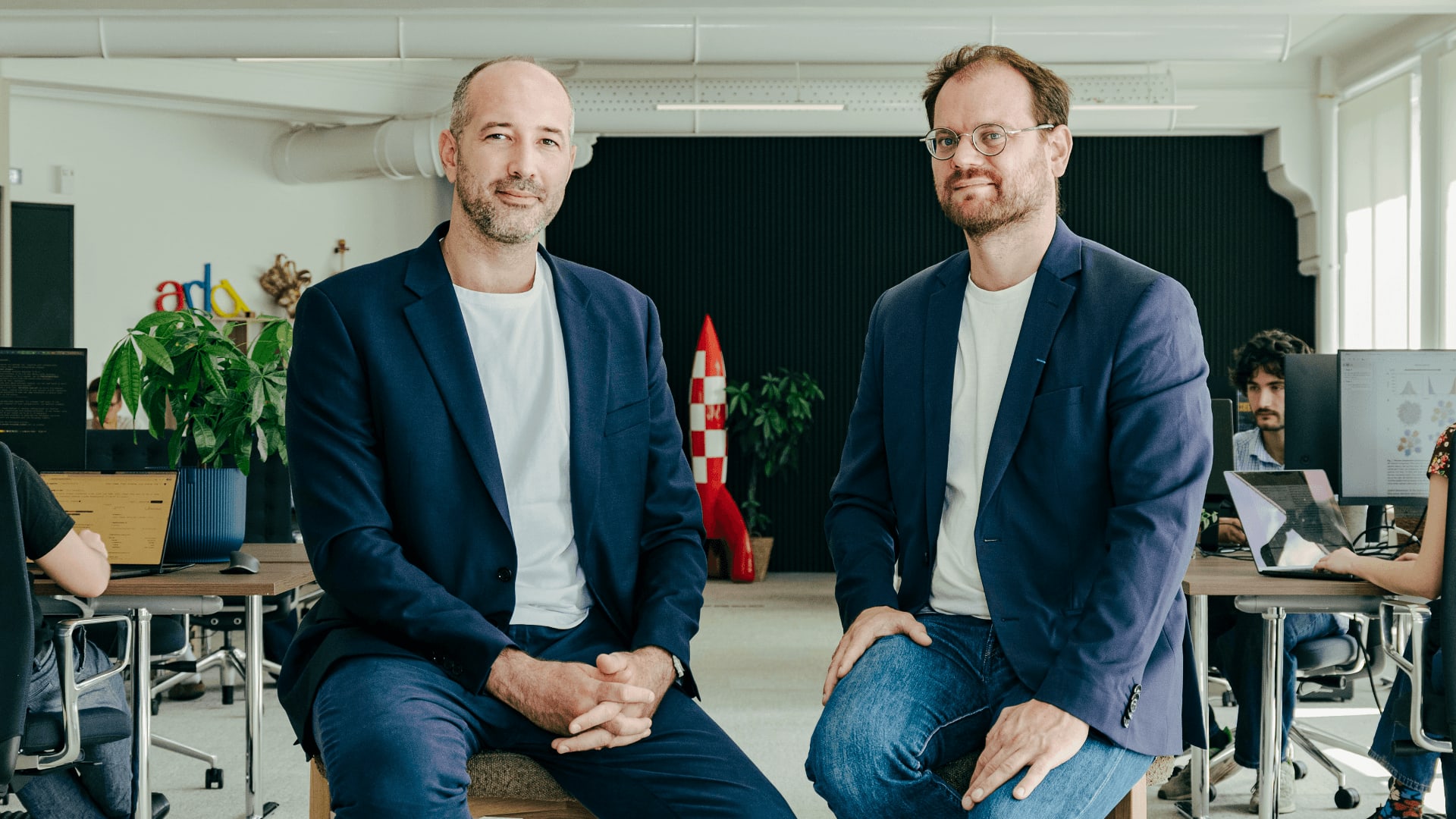
Speaking at the Epoch 2026 event in Bengaluru, Sarvam co‑founder Pratyush Kumar confirmed the company is building the large scale model to compete directly in coding, cybersecurity, scientific research, and simulation workloads. Kumar framed the effort as central to reducing India's reliance on foreign AI systems for advanced technical tasks, though the company did not share a timeline for when the model would launch.
The trillion‑parameter announcement was one of more than a dozen product updates unveiled at the conference, underscoring how quickly Sarvam is trying to expand from a language focused startup into a full stack AI company spanning models, infrastructure, and enterprise tools.
Central to that expansion is Sarvam Inference, a newly launched platform that hosts AI models entirely on infrastructure located within India. The platform currently supports Sarvam's own 105 billion parameter mixture of experts model alongside open models GLM 5.2 and Gemma 4. Company co‑founder Vivek Raghavan described the initiative as part of a push toward what he called token sovereignty, meaning a larger share of the AI computation consumed by Indian businesses and government bodies would run on domestic infrastructure rather than overseas cloud providers. That framing is aimed squarely at enterprises and government agencies with strict data residency requirements.
On pricing, Sarvam positioned its 105 billion parameter model as roughly 5.5 times cheaper than comparable global offerings, with per token costs cited as low as 0.80 dollars per million tokens. The company also confirmed an additional 30 percent price cut across its lineup, continuing a strategy of undercutting international competitors on cost while betting that affordability will help India emerge as a hub for budget conscious AI deployment.
Beyond the flagship model announcements, Sarvam introduced Bulbul V4, an updated text to speech system built to produce more natural sounding, emotionally expressive audio, including laughter, excitement, and emphasis, rather than the flatter output typical of earlier speech synthesis tools. The company also unveiled Saras V4, a speech to text model it says now ranks among the best in the world for English while also supporting Indian languages including Odia, Sanskrit, and Manipuri, along with a multi speaker variant capable of separating overlapping voices in recorded conversations, a feature aimed at making meeting transcripts easier to parse.
On the vision side, Sarvam launched Vision 2.0, an upgraded document intelligence system built to read Indian handwriting, scan tables, and extract structured details such as names, addresses, and identification numbers from scanned documents. The company noted that the Odisha state government is already using the technology to digitize land records, an early sign of how the tool is being applied within government workflows.
Sarvam also introduced Epoch Builder Edition, a developer and enterprise platform designed to help organizations build, fine tune, and deploy large language models tailored to Indian languages and use cases. The platform ships with new 7 billion and 70 billion parameter multilingual models trained on 2 trillion tokens, supporting more than 10 Indian languages including Hindi, Kannada, Tamil, Marathi, and Bengali. It will enter private preview in August 2026 before reaching general availability in the fourth quarter of the year.
In a notable talent move, Sarvam appointed Devendra Singh Chaplot as an advisor. Chaplot previously held roles on the founding teams at Mistral AI and Thinking Machines Lab, and his arrival marks one of the more prominent hires by an Indian AI company from the global frontier research community. Alongside the appointment, Sarvam confirmed it is opening an office in San Francisco, giving the Bengaluru based company a direct presence in the heart of the global AI industry for the first time.
Sarvam said its developer platform has surpassed 1 million registered users, while its Indus agent platform has handled 325 million conversation minutes to date, figures the company pointed to as evidence that its tools are already seeing meaningful real world use rather than remaining confined to pilot projects.
Taken together, the announcements signal that Sarvam is no longer positioning itself purely as a language model provider for Indian use cases but as a company attempting to own the full AI stack, from foundation models and inference infrastructure to voice, vision, and agentic tooling. Whether the trillion‑parameter model can deliver on that ambition will likely depend less on parameter count and more on whether Sarvam can turn its expanding product lineup into infrastructure that enterprises and government bodies trust at scale.
Topics
Stay informed
Startup news in your inbox
Get important funding rounds, founder stories, and startup updates.
No spam - only important startup updates.
Comments
Text only. No links or images.
No comments yet.