abcoffee Raises Rs 61 Crore in Pre-Series B Round to Scale Grab-and-Go Coffee Across India's Three Biggest Cities
Editorial Team
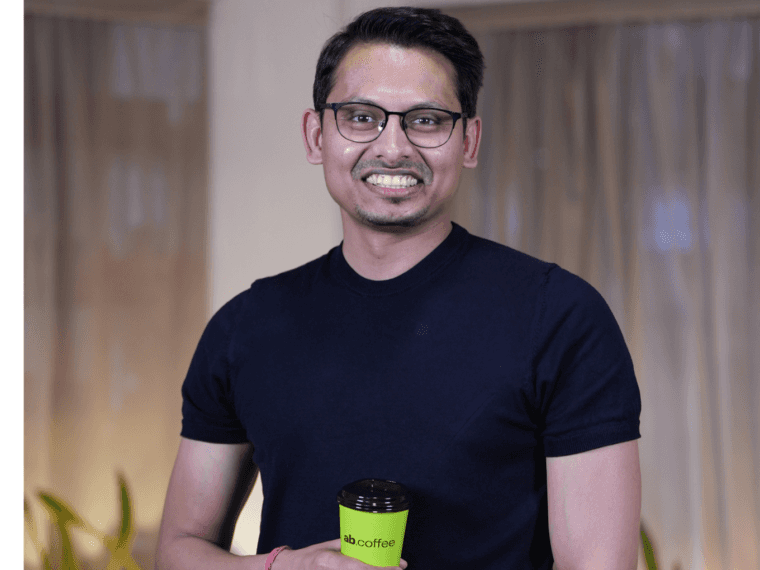
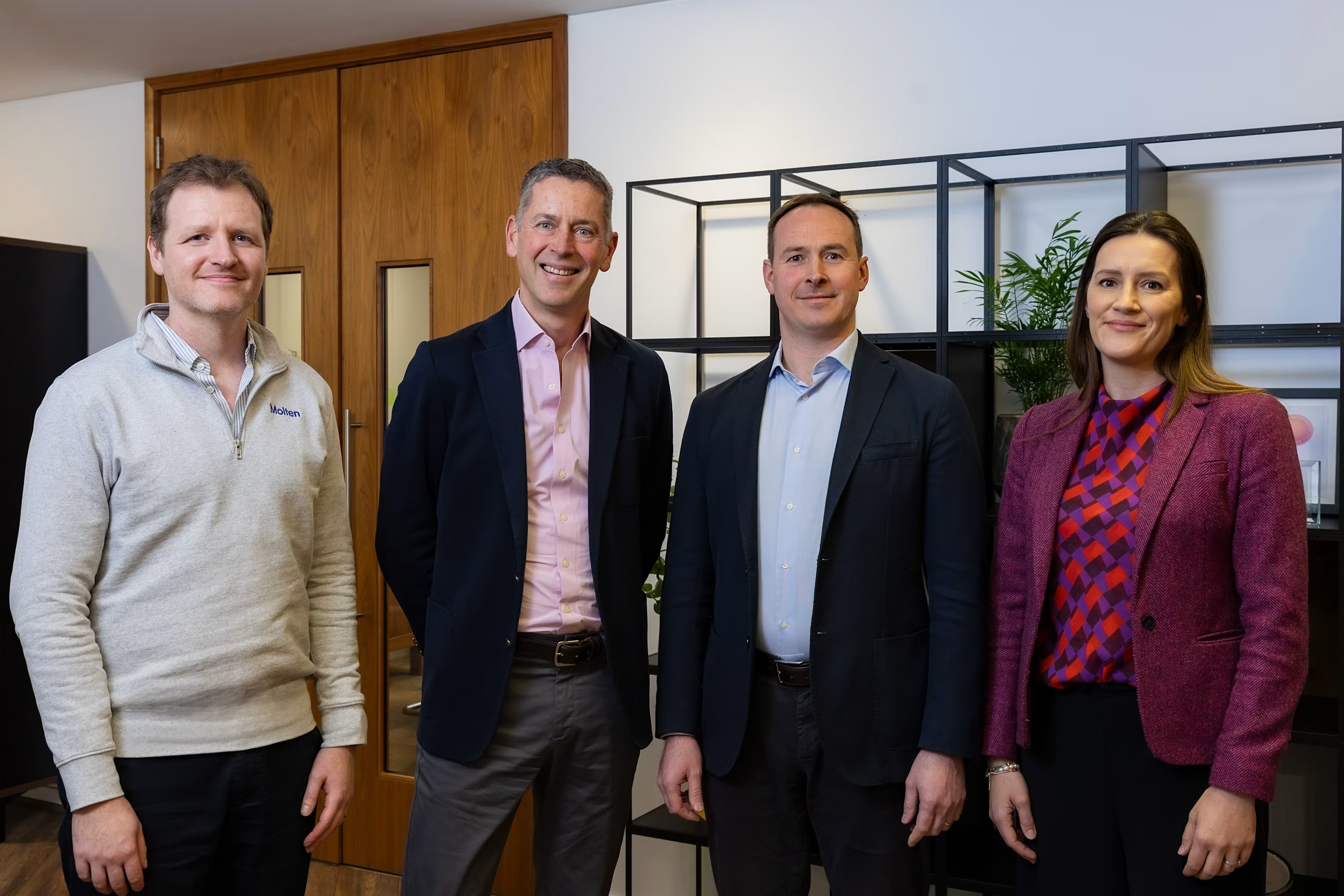
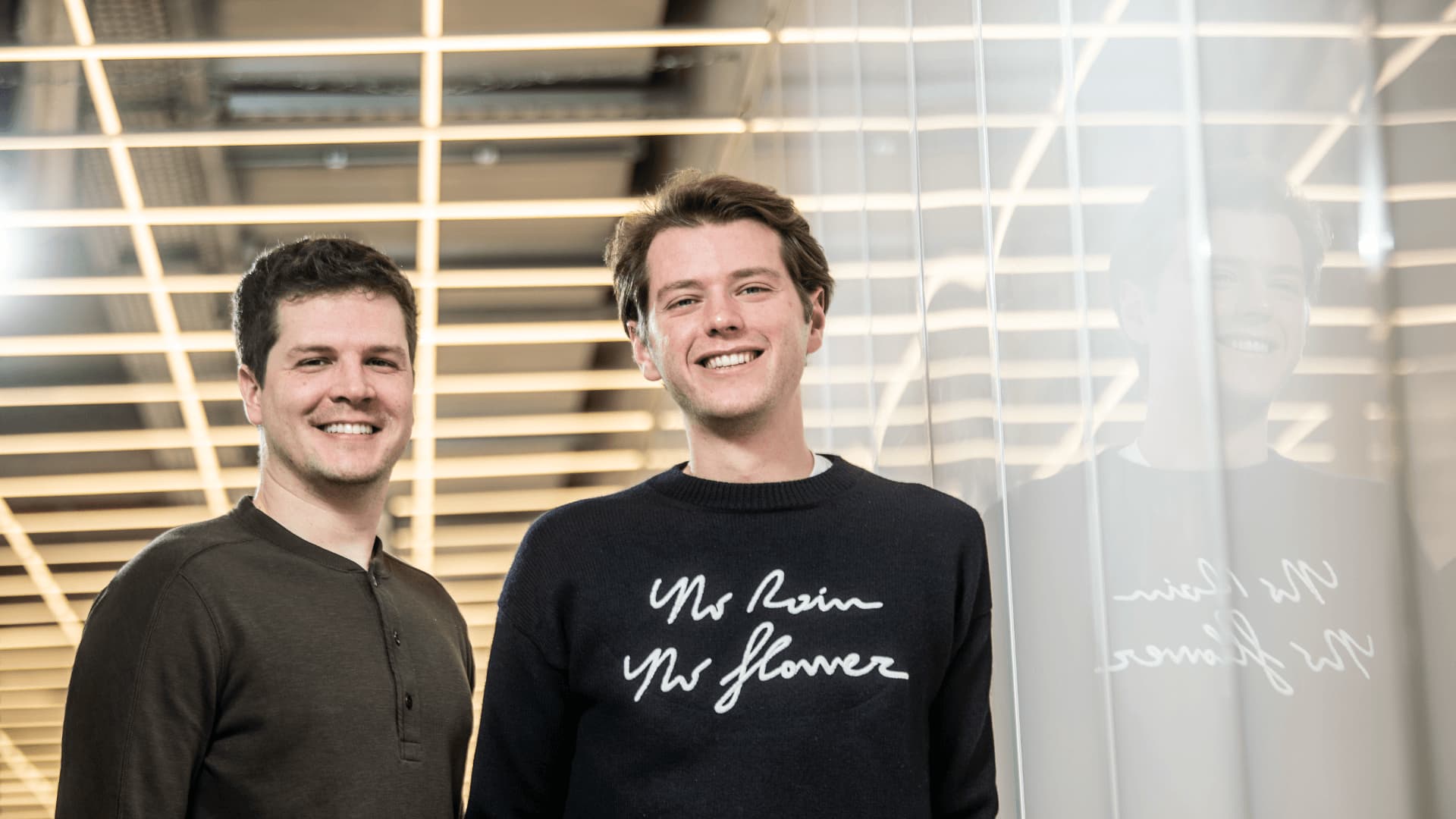
abcoffee, the Mumbai‑based grab‑and‑go coffee chain founded in 2022 by Abhijeet Anand, has raised Rs 61 crore in a Pre‑Series B funding round led by Kliff Ventures, the consumer retail fund backed by K Hospitality Corp. The round also saw participation from Hero Enterprise Partner Ventures, Merisis Venture Fund, and Stride Ventures. Total funding since the company's founding has now crossed $11 million, following a $3.4 million Series A led by Nexus Venture Partners.
The raise comes at a moment of clear commercial momentum. In FY2025‑26, abcoffee reported revenue doubling year‑on‑year while store‑level EBITDA rose 193.2 percent compared to the previous year. The chain operates 97 stores as of the announcement date, with 52 of those concentrated in Mumbai, making it the company's deepest and most mature market.
What abcoffee Actually Is
The product philosophy behind abcoffee is deliberately narrow. The chain does not aspire to be a third‑place hangout or a café experience built around lingering. It is built around the opposite: high‑quality coffee, fast, at an accessible price, available at locations that intercept consumers during transit or on the way to and from work.
The store format reflects this. Outlets are compact and high‑efficiency by design, focused on throughput rather than seating. The locations skew toward high‑density office corridors, residential micro‑markets, and transit‑adjacent positions where the population density makes frequent, repeat purchases economically viable. Every element of the physical format is oriented around the grab‑and‑go transaction rather than the sit‑down session.
That operating model has produced a retention curve that investors in consumer retail brands spend years trying to achieve. Approximately 60 percent of customers are classified as high‑frequency repeat buyers, meaning abcoffee has built a genuine daily or near‑daily habit among a significant share of its user base, not just a category‑curious trial audience.
Technology sits at the center of how that habit is reinforced. Roughly 54 percent of all takeaway orders are placed through the abcoffee app, driven by pre‑ordering, digital ordering at pickup, and the company's subscription product. The subscription model accounts for 50 percent of all app‑based orders and supports the pre‑sale of more than 40,000 cups of coffee and beverages every month, which are consumed across the following 30 days. That subscription pre‑sale figure is commercially significant because it converts discretionary future purchasing decisions into committed revenue in advance.
The Expansion Plan
Anand was direct about the immediate deployment strategy: the company is not chasing new cities. It is doubling down on the three markets where it has already demonstrated product‑market fit.
Mumbai, Delhi‑NCR, and Bengaluru will remain the focus for the next one to two years. Within those markets, the strategy is cluster‑based densification, adding stores in high‑density micro‑markets where the existing customer base has already validated demand but physical proximity to a store still creates friction. Office districts, residential towers, and transit hubs are the three location typologies that abcoffee is specifically targeting as it expands from 97 stores toward 200.
The capital allocation is spread across multiple priorities alongside the store build‑out. Technology investment covers improvements to the app, the subscription infrastructure, and the pre‑ordering system. Supply chain strengthening covers procurement, freshness standards, and distribution consistency across a growing store count. Product innovation covers menu development and expansion of the beverages portfolio. Backend infrastructure covers the operational systems that keep a multi‑city, 97‑plus location chain running without quality degradation.
Karan Kapur, executive director of K Hospitality Corp and Kliff Ventures, described abcoffee as having the potential to become the leading brand in India's rapidly growing coffee category. His framing positions Kliff's role as that of a long‑term operating partner rather than purely a financial backer, given K Hospitality's existing deep relationships across the Indian food and beverage sector.
The India Coffee Market Context
India's coffee consumption pattern is in the early stages of a structural shift. Coffee has historically been an occasional out‑of‑home treat for the majority of Indian urban consumers rather than a daily habit. That pattern is changing, driven by the rapid expansion of the urban working population, the normalization of specialty and espresso‑based drinks among younger consumers, and the growth of office‑first and hybrid‑work routines that create daily transit patterns around which grab‑and‑go formats can build consistent purchasing habits.
India's coffee market was valued at approximately Rs 15,000 crore in 2025 and is growing at a compound annual rate of around 11 percent, according to industry estimates. The out‑of‑home coffee segment, which abcoffee operates within, is growing faster than the total market as urbanization continues to expand the working‑age population in the three cities the company serves.
Anand has described abcoffee's positioning as being built for the moment when coffee in India becomes an everyday habit rather than a special occasion. The company's subscription model, its high repeat purchase rate, and its technology‑led ordering infrastructure are all designed for that transition, not just the current market.
Stay informed
Startup news in your inbox
Get important funding rounds, founder stories, and startup updates.
No spam - only important startup updates.