Backoffice Raises €150K From FIRSTPICK and Lost Astronaut to Replace Five Systems With One for European Hospitality
Editorial Team

Backoffice, a Vilnius‑based startup building operations management software for the hospitality industry, has raised €150,000 in investment from Baltic venture capital funds FIRSTPICK and Lost Astronaut. The capital will support continued product development and the company's expansion into European markets, as it targets the operational fragmentation that defines how most restaurants, cafes, and hotels currently run their day‑to‑day business.
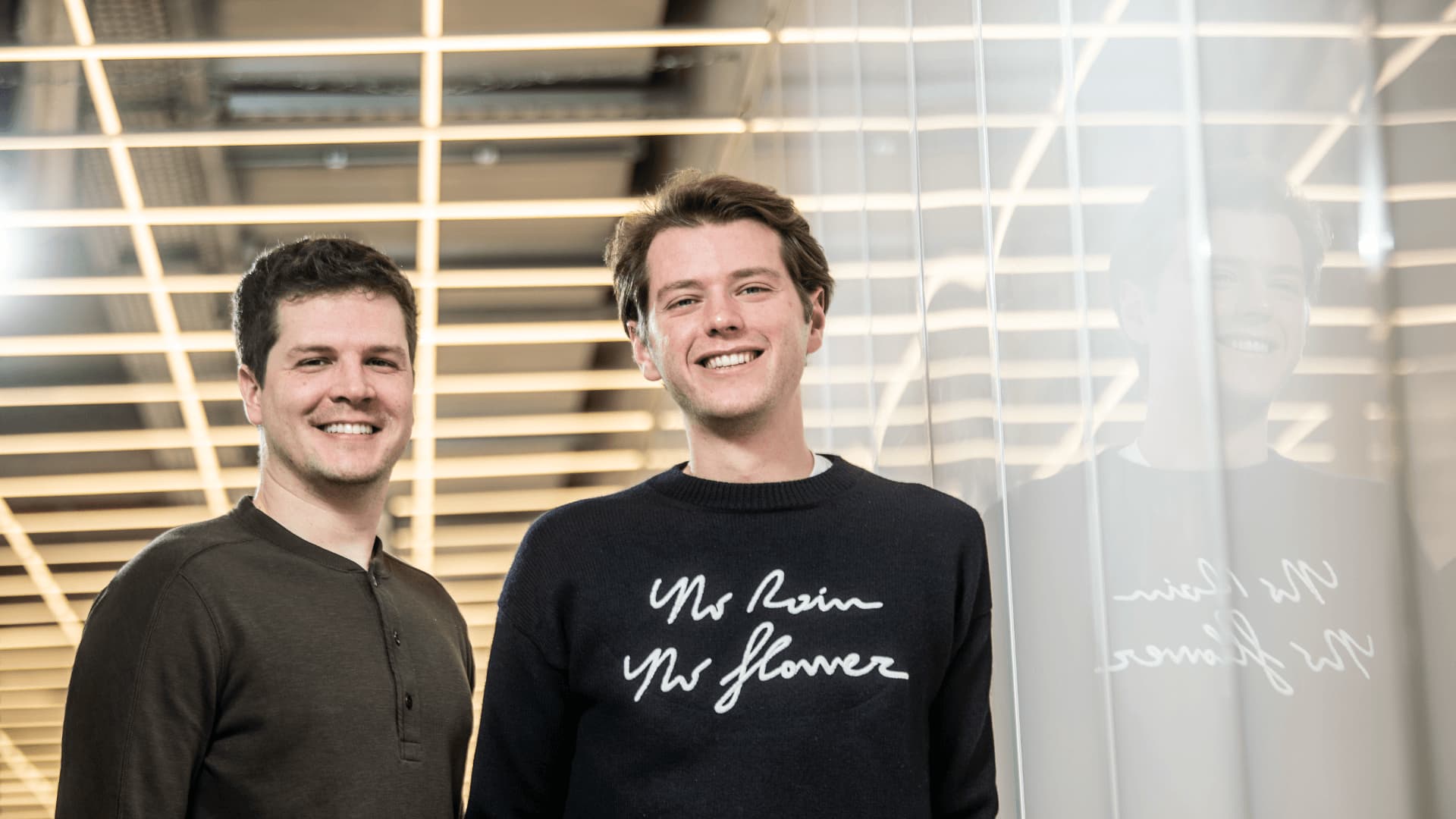
The deal was also announced as part of the pitch competition at Latitude59, the international startup and technology conference held in Tallinn, where FIRSTPICK awarded the investment directly off the event stage. Backoffice was founded in 2025 by Erikas Pakenas and Denis Stech, making this its first disclosed external funding.
A Problem Built From Personal Experience
Pakenas has been direct about what motivated the company. He grew up watching his mother run her restaurant and bakery business: long hours, constant schedule changes, and the persistent shortage of staff that defines hospitality operations at small and medium scale. The people building those businesses are often deeply hospitable and committed to their teams, but they end up spending significant portions of their time managing operational logistics that should run automatically.
That observation led to the product Backoffice is now building. The average hospitality business today runs five or more separate systems to manage its operations: one tool for shift scheduling, another for payroll, a third for work‑hour tracking, a messaging app for staff communication, and often a spreadsheet holding together everything the other tools fail to capture. Each system creates its own data silo. Information does not flow between them without manual reconciliation. Managers maintain multiple logins, check multiple dashboards, and spend time doing administrative work that a unified platform should handle automatically.
Backoffice consolidates these workflows into a single platform with four core capabilities:
- Shift scheduling and the ability for employees to swap shifts directly within the platform without manager mediation for routine changes
- Payroll tracking that pulls from actual logged work hours rather than requiring separate data entry
- Work‑hour management with clock‑in and clock‑out functionality tied directly to scheduled shifts
- Staff communication tools integrated within the same interface, so operational messages and schedule notifications live in context rather than across WhatsApp threads or separate apps
The result is that managers get one system rather than five, and employees get one place to check their schedule, log their hours, swap shifts, and see their earnings in real time.
Why the Investors Backed It
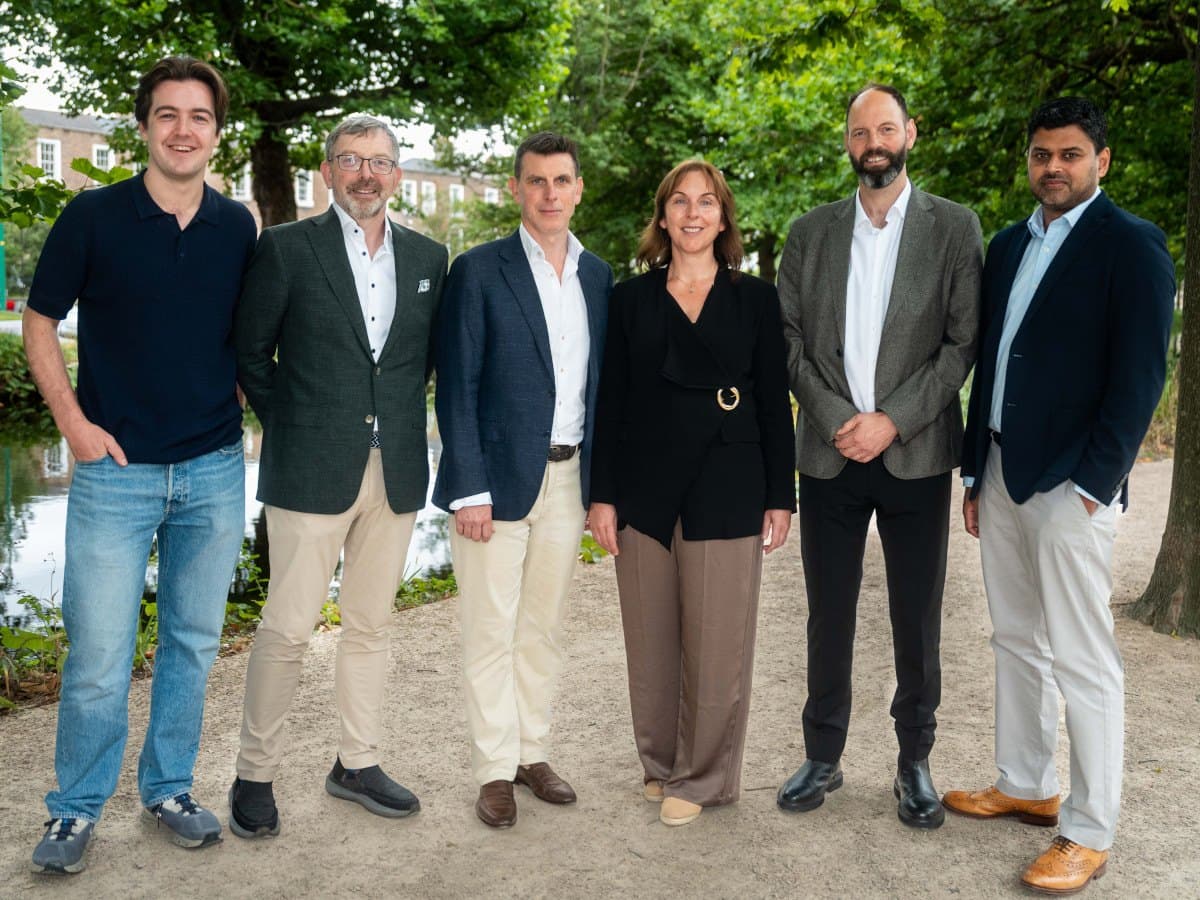
FIRSTPICK partner Marijus Andrijauskas described the investment in terms of two things: execution speed and market potential. In a relatively short time, the Backoffice team has demonstrated the ability to move fast and learn from early market feedback, which is the quality early‑stage investors can evaluate reliably when product maturity is still developing. The market potential argument is structural: the average hospitality venue running five or more separate systems represents a genuine consolidation opportunity for any platform that can deliver the full stack reliably and at a price point accessible to independent operators.
Lost Astronaut co‑founder and CEO Marius Burgaila pointed to a specific market size figure: more than 2 million companies operating in hospitality and food service across Europe, with more than 15,000 in the Baltics alone. That density of potential customers within a geographically accessible initial market makes the Baltic‑first expansion logic straightforward.
FIRSTPICK and Lost Astronaut announced earlier this year a partnership to jointly back up to 100 early‑stage Baltic startups over the next three years, with an average ticket size around €100,000. The Backoffice investment is consistent with that program and reflects both funds identifying the same team as worth backing at this stage.
The Market Opportunity
The global workforce management software market, which covers the shift scheduling, time tracking, and payroll coordination functions Backoffice addresses, was valued at approximately $8 billion in 2025 and is growing steadily. Within that market, hospitality has historically been one of the most underserved segments, because most workforce management platforms were built for larger enterprise customers with dedicated HR and operations teams, not for independent restaurant operators managing a team of 15 people across multiple locations.
The practical consequence is that most hospitality operators, regardless of whether they are running a single cafe in Vilnius or a small hotel chain across three Baltic cities, are using tools that were not designed for them. The spreadsheet persists in hospitality operations not because it is the best tool but because purpose‑built alternatives have either been too expensive, too complex to implement, or too narrowly focused to replace the full mix of systems that keep a hospitality business running.
Backoffice's premise is that a platform built specifically for this operational context, priced and designed for operators rather than enterprise HR departments, can capture that gap across Europe's fragmented hospitality market.
The €150,000 will fund immediate product development priorities and the initial push into European markets beyond Lithuania. For a 2025‑founded company making its first public funding announcement, the Latitude59 stage recognition and the backing of two of the Baltic region's most active early‑stage funds gives Backoffice a credible starting position for that expansion.
Stay informed
Startup news in your inbox
Get important funding rounds, founder stories, and startup updates.
No spam - only important startup updates.