Benji Raises $6.25M Seed Round to Become the Plaid of Loyalty Programs
Editorial Team

Benji, the Chicago and New York‑based startup building infrastructure for loyalty partnerships, has closed a $6.25 million seed funding round led by Preface Ventures and Atinc, with participation from Great North Ventures, M25, and Hyde Park Venture Partners. The announcement came on May 19, 2026, and positions Benji as a direct attempt to solve one of the most persistent and expensive operational problems in the $200 billion global loyalty industry: every new partnership between two brands still requires a custom integration built from scratch.
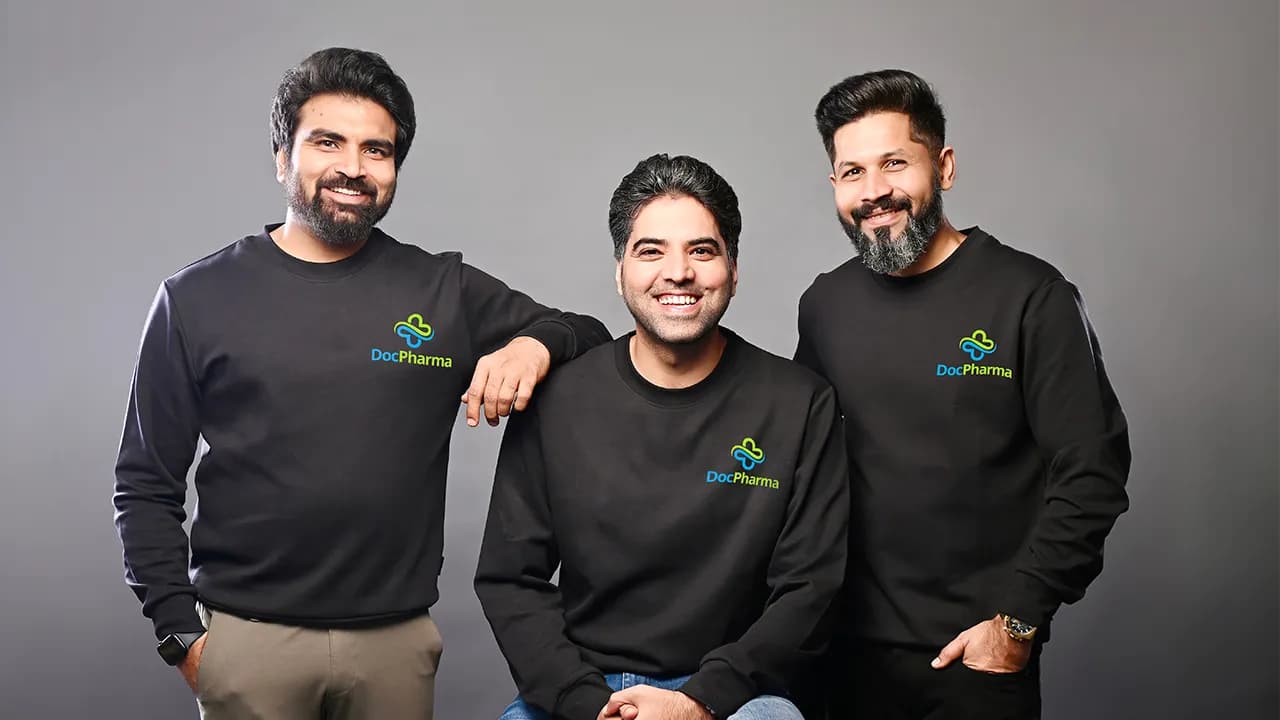
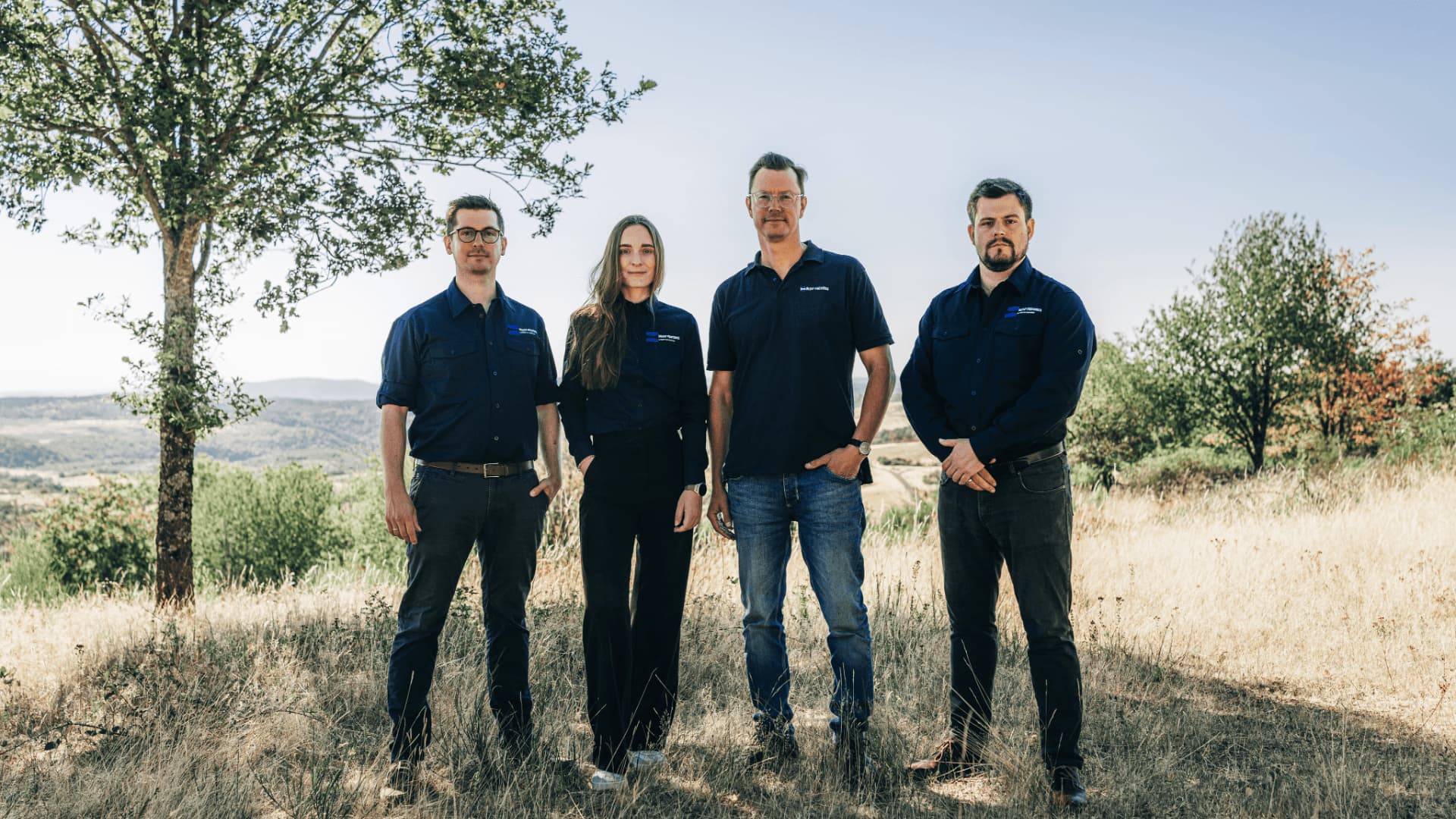
The founding team is not new to building infrastructure for complex multi‑party ecosystems. Co‑founders Nick Anastasiades, Jon Elron, and Arik Gaisler previously built 2ndKitchen, a food‑service infrastructure startup that was acquired by REEF Technology in 2021. The experience of connecting restaurants, ghost kitchens, and food ordering platforms through a shared operational layer gave the team a direct prior education in exactly the kind of multi‑sided integration problem they are now solving in loyalty.
The Problem With How Loyalty Partnerships Actually Work Today
Loyalty programs are one of the most effective tools in consumer marketing. Airlines, hotels, retailers, credit card companies, and consumer brands have collectively spent billions building points economies that keep customers engaged, drive repeat purchase, and create switching costs that are measurably difficult for competitors to overcome.
The commercial appeal of connecting two loyalty programs is obvious. An airline whose members can earn miles at a retail partner, or a hotel group whose points can transfer to a restaurant chain, gives members more reasons to stay engaged with both programs. The brands involved get access to each other's customer bases through a trust structure, the shared loyalty program, that a paid advertisement cannot replicate.
The problem is the backend. Every loyalty partnership that exists today was built through a custom integration project. Two companies wanting to connect their programs need to align on data formats, API specifications, point conversion logic, fraud prevention protocols, audit trails, and reconciliation processes. That negotiation and development process typically takes months, sometimes over a year, and requires dedicated technical resources on both sides throughout. For brands with small engineering teams or large backlogs, the result is that loyalty partnerships that would be commercially beneficial simply do not happen because the integration cost is too high relative to the expected return from a single partner relationship.
Anastasiades has described hearing the same thing repeatedly from loyalty teams: demand for partnerships is growing faster than the systems built to support them, and the industry is running on custom work that should have been standardized years ago.
What Benji Builds
Benji is a universal API for loyalty partnerships. A brand integrates with Benji once, and that single integration gives them the ability to connect with any other brand on the Benji network. The platform handles:
- Point earning integrations, where a member of one program earns points for activity with a partner brand
- Redemption integrations, where points from one program can be spent with a partner
- Point transfer mechanisms, allowing members to move currency between programs
- Co‑acquisition workflows, where two brands jointly attract new members through shared incentive structures
The comparison the company draws is to Plaid, the fintech infrastructure startup that built a universal connection layer between banks and financial applications. Before Plaid, every fintech app that wanted to read a user's bank account balance needed a custom integration with each bank. After Plaid, that connectivity became a one‑API problem. Benji is attempting the same standardization for loyalty.
The network that Benji has already assembled gives the comparison substance. JetBlue's TrueBlue loyalty program is on the platform, along with Cook Unity, 1‑800‑Flowers, and Chip City. Collectively, the current network covers more than 50 million active loyalty members. That network scale is important because the value of a connectivity platform grows with each new member added: a brand joining Benji today is not just getting infrastructure for one future partner, it is getting access to the full existing network.
The commercial impact is measurable. Loyalty partnership integrations that previously took months are going live in days on Benji's infrastructure. That compression from months to days changes the math for brands evaluating whether a partnership is worth pursuing, because the marginal cost of adding another partner on an existing Benji integration is dramatically lower than the marginal cost of the first custom build.
The Founders' Prior Experience
The founding team's background at 2ndKitchen is more relevant to Benji than the exit amount suggests. 2ndKitchen built infrastructure that let hospitality venues, hotel bars, and entertainment venues offer food to guests by connecting them to nearby restaurant kitchens, essentially a marketplace with a complex multi‑party operational layer beneath it. Managing the integration between venues, kitchens, ordering systems, and logistics partners was the core technical and operational challenge of that business.
Loyalty partnerships have an analogous structure: multiple brands, multiple data systems, different internal definitions of what a "point" is worth, different fraud models, and different reconciliation requirements. The team has built exactly this type of multi‑party integration infrastructure before and sold it to a company that wanted to own the underlying plumbing for its own strategic reasons.
The Midwest investor concentration in the round, three of the five investors based in Chicago or the broader Midwest region, reflects the company's dual Chicago and New York presence and the growing depth of the regional venture ecosystem that has backed B2B infrastructure startups.
What the Capital Is Used For
Benji is deploying the $6.25 million across two priorities. The first is engineering: expanding the technical team in Chicago and New York to accelerate integration development and add new loyalty program types to the platform's capability set. The second is go‑to‑market: hiring the commercial team needed to sign new brand partners onto the network and convert the existing waitlist of interested loyalty programs into active integrations.
The global loyalty management market is valued at approximately $10.3 billion and is growing at a compound annual rate of 14.9 percent through 2030 according to Grand View Research. The addressable opportunity for infrastructure that sits beneath that market, enabling the partnerships that generate loyalty program value, is a layer of the stack that has historically been too fragmented and custom‑built to estimate reliably. Benji's bet is that standardizing it creates a platform with value that compounds as the network grows.
Competing in this space are established players including Loyalty Juggernaut, Points.com, and various custom integration firms that have long‑standing relationships with major airlines and hotel groups. Benji's advantage is architectural: a single API rather than a bespoke project, and a network that grows in value with each new member rather than resetting with each new contract.
Stay informed
Startup news in your inbox
Get important funding rounds, founder stories, and startup updates.
No spam - only important startup updates.