London-based Calibre Raises $3.3M to Bring AI Agents Into the Certification Industry
Editorial Team
There is an industry that quietly underpins the safety of almost everything people interact with daily, from the aircraft components overhead to the food on supermarket shelves to the banking software handling financial transactions. It is worth over $200 billion annually, employs more than one million people worldwide, and has not been meaningfully touched by the current wave of enterprise AI. That industry is testing, inspection, and certification, known as TIC, and a London‑based startup founded by two former Palantir engineers has just raised $3.3 million to start fixing it.
Calibre announced its pre‑seed funding round on May 18, 2026. The round was led by Vicus Ventures and CIV, with additional participation from I2BF, 9 Yards Capital, and Jigeum. Angel investors include Nikesh Arora, the former SoftBank president and current CEO of Palo Alto Networks, alongside others who have previously backed companies including Databricks, Coinbase, Anduril, ServiceTitan, and The Nuclear Company. That LP pedigree is unusual for a pre‑seed round and reflects how seriously the investors involved take the infrastructure opportunity Calibre is targeting.
Wilson Sonsini Goodrich and Rosati advised Calibre on the transaction, with a team led by Bradley Doline.
The Founders and Why They Are Qualified to Build This
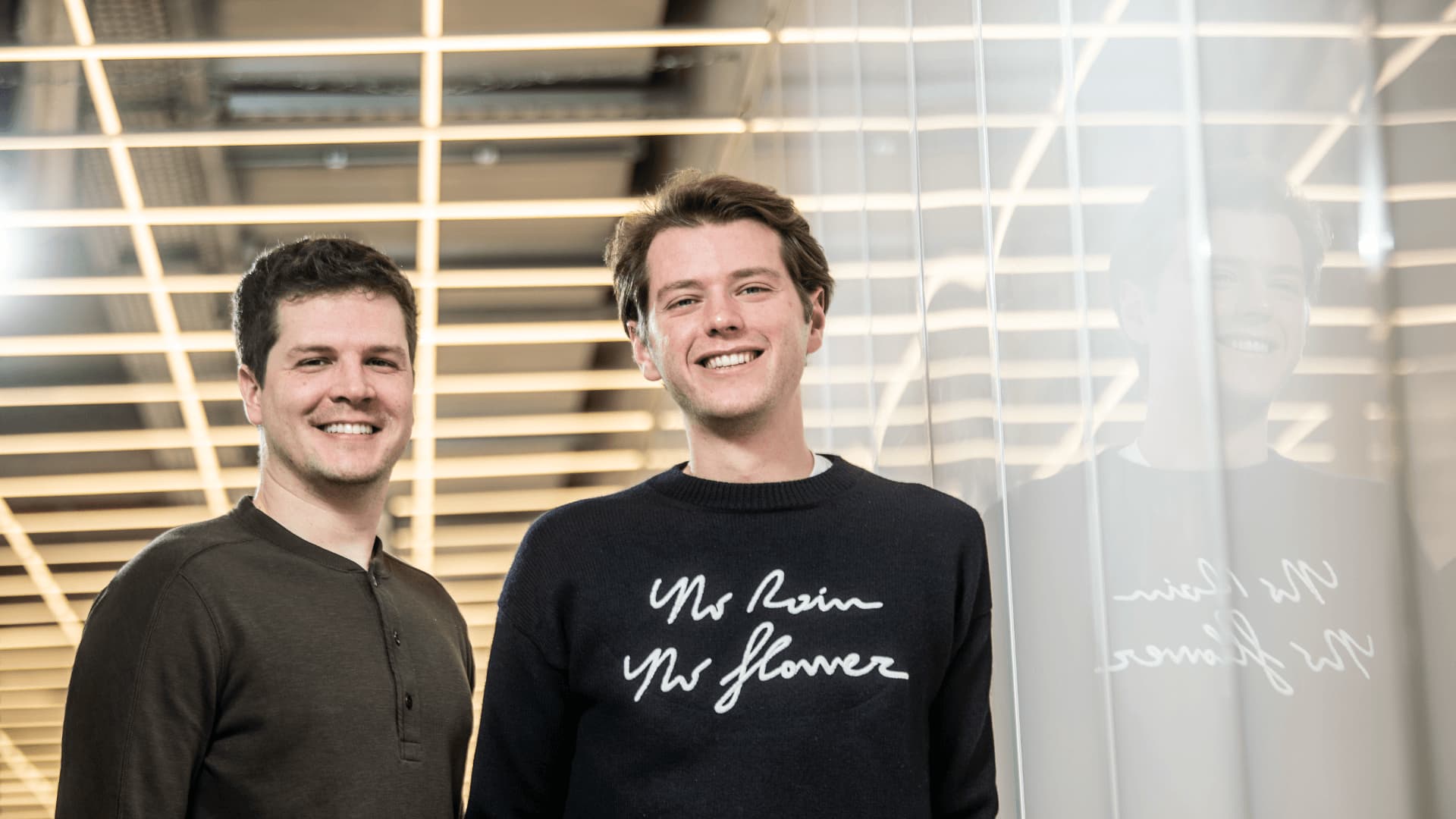
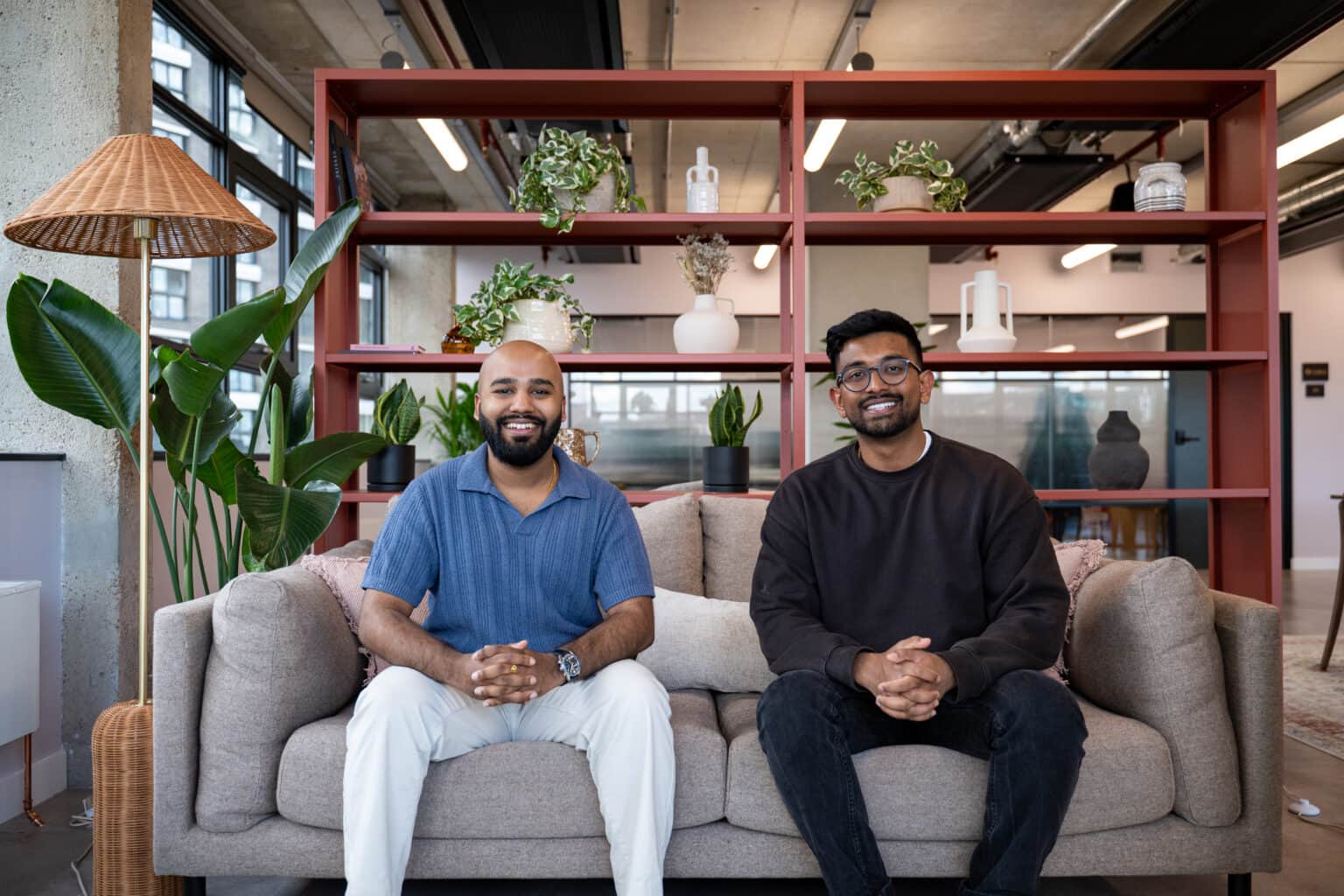
Calibre was founded by Gautham Senthilnathan and Steve Thomas, two engineers who met at university and went on to spend three years at Palantir before starting the company. Their time at Palantir was not generic software work. Both were embedded inside customer operations across more than 20 regulated industries, building and deploying AI systems in environments where failures carry serious real‑world consequences.
Gautham became a direct report to Palantir CTO Shyam Sankar and led over 100 AI bootcamps using Palantir's AIP platform, teaching enterprise teams how to operationalize AI in complex regulated workflows. Steve led some of Palantir's largest European engagements, building agentic systems that replaced entire manual workflows at scale across major industrial and governmental clients.
That background is exactly what the TIC industry requires. Deploying AI inside certification workflows is not a matter of plugging in a general‑purpose model and prompting it. Each certification body operates according to specific technical standards. Every auditor works within a regulatory framework that differs by sector, country, and the type of product or system being assessed. Generic AI fails in these environments because it does not understand the standards, the terminology, or the stakes. Founders who have spent years building AI inside regulated enterprises understand that distinction better than almost anyone else in the market.
Manraj Singh Sandhu of Vicus Ventures was direct about what drove the investment decision. The TIC industry is fragmented and highly specialized, and generic AI does not work inside it. The founders have deployed AI inside regulated environments at serious scale, and that experience is rare.
What Is Actually Broken in the Certification Industry
Calibre spent significant time working directly alongside auditors and inspectors before building anything. What they found was consistent and alarming. Auditors, people who have spent years or decades developing deep technical expertise in their certification domain, are spending most of their working hours doing things that require none of that expertise.
The actual breakdown of an auditor's time in the current system looks roughly like this:
- Reviewing thousands of pages of technical documentation before an audit can even begin
- Writing detailed reports that follow prescribed formats but require largely mechanical assembly of findings
- Cross‑referencing applicable standards and mapping evidence to specific regulatory requirements
- Manually matching documents to organizational structures and certifications already in progress
The actual expert judgment, the specific call about whether a product, system, or process meets the standard it is being assessed against, occupies a much smaller share of the working day than it should. And the structural problem is not getting better on its own. Becoming a qualified auditor requires years of training and domain experience. Retirements across the industry are accelerating. Fewer people are entering the profession than are leaving it. The auditors who remain are being stretched further, not further supported.
Meanwhile, the demand side is growing. AI systems are being embedded into an expanding range of product categories, each of which requires certification before deployment. Sustainability reporting requirements are expanding globally. Cybersecurity certification frameworks are becoming mandatory in more jurisdictions. The volume of certification work is increasing at precisely the moment when the workforce capable of doing it is shrinking.
The Product: AuditorOS and Enterprise AI Infrastructure
Calibre is building on two parallel tracks. The first is an enterprise AI layer deployed directly inside TIC organizations, tailored to each customer's specific safety standards and workflows. The agents are designed to automate document review, cross‑reference applicable standards automatically, assist in report generation, and surface the relevant evidence that supports or contradicts the certification decision. Rather than replacing the auditor's judgment, the system handles the mechanical processing work so that expert time is focused on expert decisions.
The second track is AuditorOS, a product specifically built for independent auditors and inspection professionals. AuditorOS automates documentation review, report drafting, and standards cross‑referencing, tasks that currently consume the bulk of an auditor's non‑expert working time. According to Calibre, early customers are already using the platform ahead of its planned public launch in June.
Calibre has also secured partnerships with publicly listed TIC companies and accreditation bodies. That early enterprise traction at companies operating at scale is a material validation that the product is not being evaluated in isolation, but actively deployed inside organizations with live certification operations.
A Market That Has Been Waiting for This
Every regulated product that reaches market has passed through the TIC industry at some point. Pharmaceuticals, medical devices, automotive components, financial systems, food supply chains, aerospace equipment, industrial machinery, and construction materials all require third‑party certification before they can be sold, deployed, or used. Certification cycles typically take three to six months per product, creating bottlenecks that delay revenue, stall supply chains, and slow the introduction of new technologies.
The broader implication of Calibre's thesis is that faster, more efficient certification infrastructure does not just help auditors. It accelerates the entire supply chain that certification gates. If AI agents can reduce document review time by a meaningful factor, the knock‑on effects across product launch timelines, compliance costs, and regulatory risk management compound across every industry that certification touches.
For a pre‑seed round of $3.3 million, the scope of what Calibre is building is substantial. The immediate capital will fund the growth of enterprise contracts already underway, expand the engineering team, and accelerate the public rollout of AuditorOS.
Auditors interested in joining the early access program can join the waitlist directly at the company's site.
Stay informed
Startup news in your inbox
Get important funding rounds, founder stories, and startup updates.
No spam - only important startup updates.