Certo Raises $4M Led by Daphni to Replace 20-Year-Old Manual Compliance Processes for Beauty and Consumer Goods Brands
Editorial Team
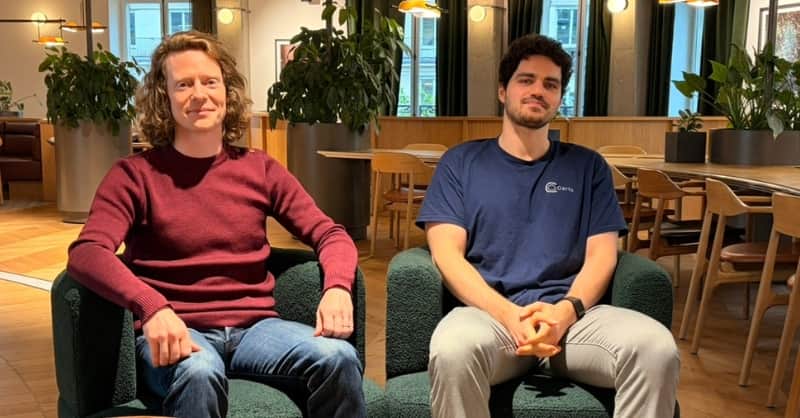
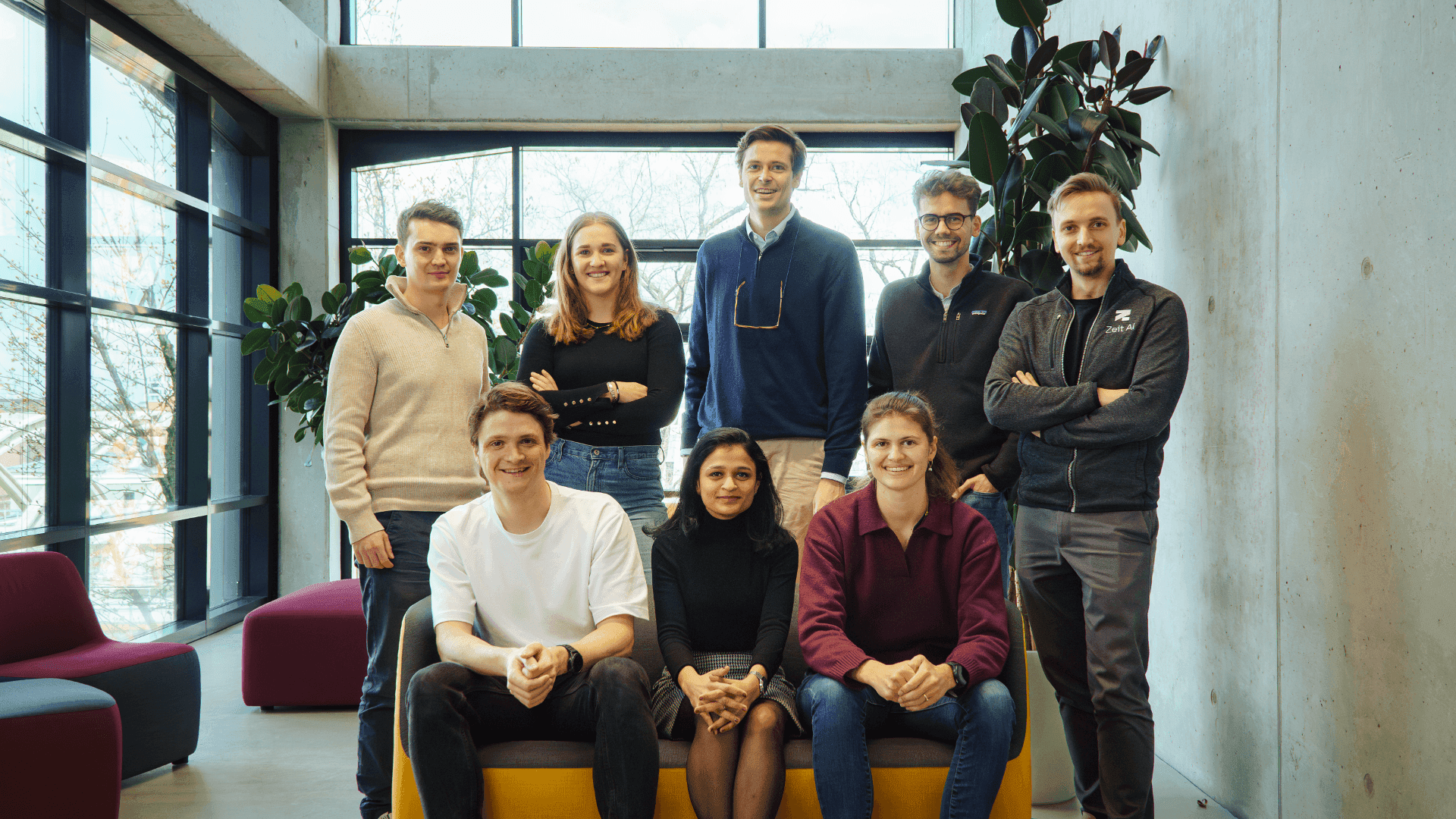
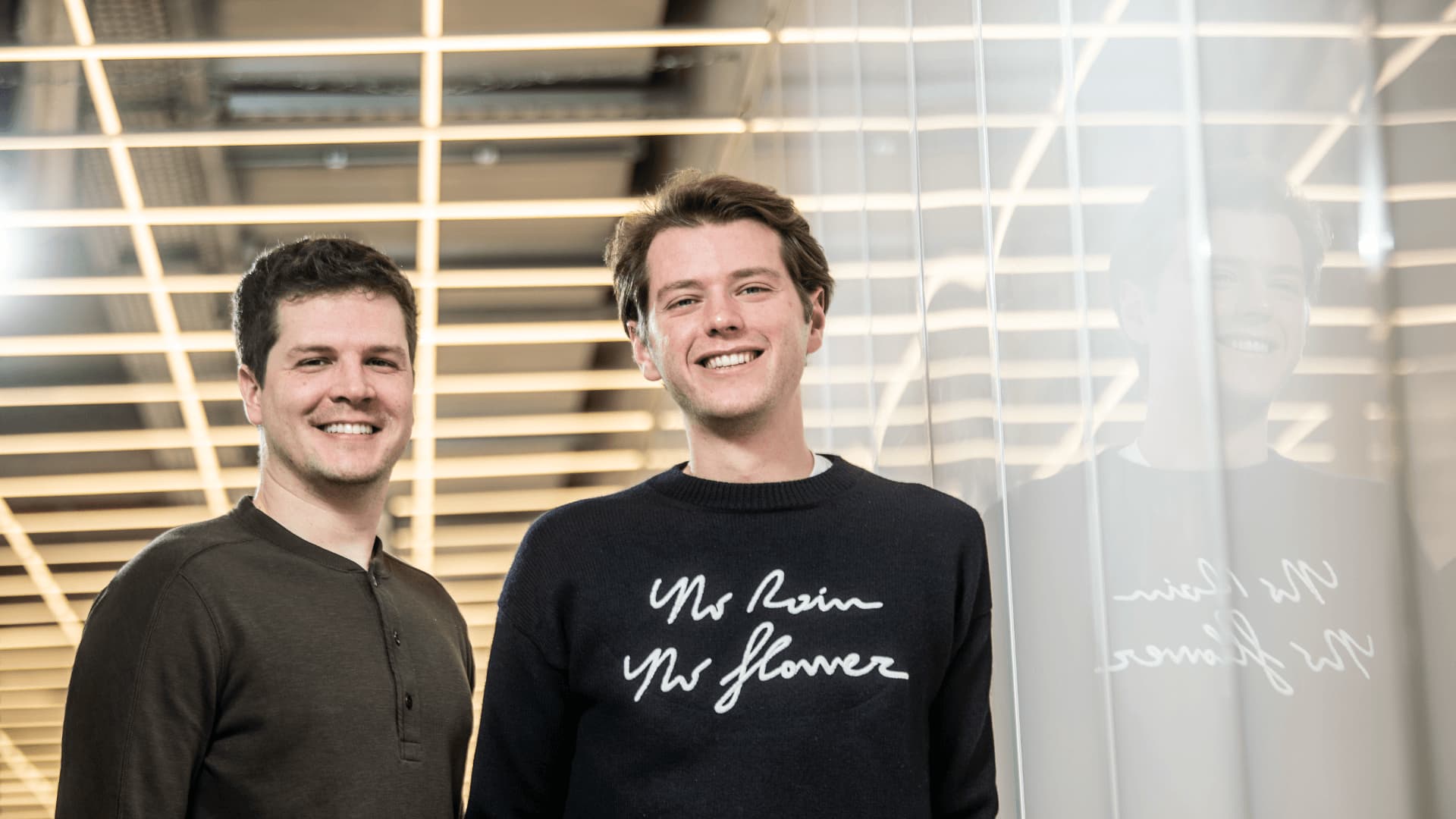
Certo, the Paris and San Francisco‑based regulatory compliance startup founded by Bastien Deliège‑Coste and Jean Duquenne, has raised $4 million in seed funding led by Daphni, with participation from Entrepreneurs First, Motier Ventures, and Transpose Platform. The round builds on initial backing from Entrepreneurs First and Transpose Platform that the company disclosed when it came out of stealth approximately nine months ago. Industry advisors include Alexandre Godvin and Vincent Delacourt, co‑founders of AQM, the compliance and testing specialist acquired by Eurofins Scientific, bringing deep domain credibility to the team's regulatory expertise.
The capital will fund US market expansion, engineering team growth, expansion of the regulatory database across additional geographies, and broader food category coverage.
A Process That Has Not Changed in Twenty Years
The compliance workflow at most consumer goods companies selling across international markets follows a pattern that would be recognizable to a regulatory affairs manager from 2005. A product is developed. The compliance team identifies the countries where it will be sold. Someone, often multiple people working in parallel, manually reviews ingredient lists against each country's approved substance database, checks label requirements against local regulations, verifies that marketing claims are permitted under the rules of each target jurisdiction, and assembles the documentation required for market entry.
This process runs across PDFs from regulatory authorities, proprietary databases licensed from compliance consultants, spreadsheets tracking which ingredients are cleared in which markets, and document management systems that hold the accumulated evidence. When regulations change, which they do continuously across 150‑plus countries, someone has to identify what changed, assess what it affects, and update the relevant product assessments manually.
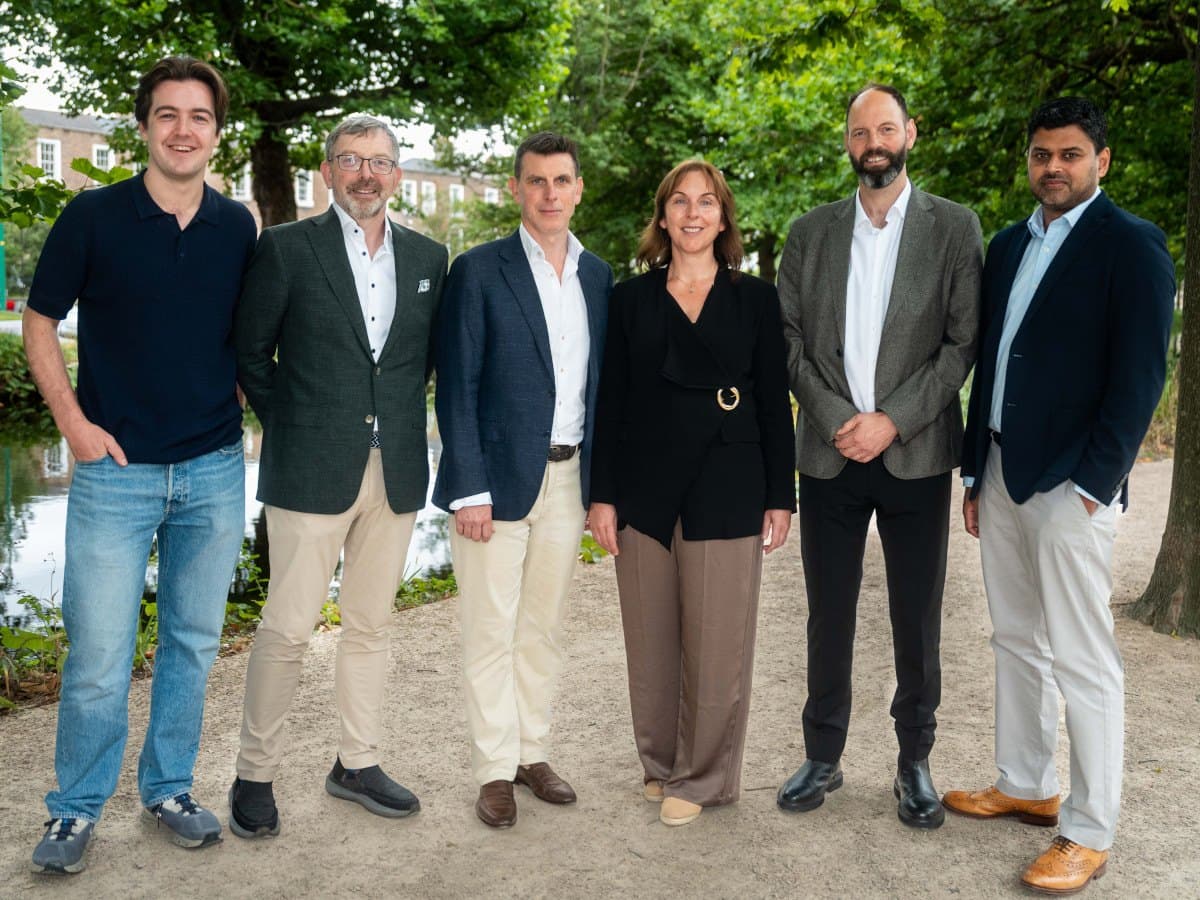
Daphni partners Briac Lescure and Jonas Simonin described the situation without softening it: every consumer product sold internationally goes through a compliance process that has not changed in twenty years. Manual checks, scattered PDFs, expensive consultants, whether it is cosmetics, food, or dietary supplements, the pain is the same.
What Certo Has Built
Certo is an AI compliance operating system that automates this workflow across five modules: ingredient validation, formula compliance, claims review, labelling, and market‑entry documentation. The platform ingests product and regulatory data, structures it into standardized formats, and runs AI‑driven verification checks across a proprietary regulatory database that the company has built specifically for this category.
The key distinction between Certo's approach and a general‑purpose AI tool is the regulatory database itself. Compliance verification for consumer goods requires knowing not just what the current rules say, but how they apply to specific ingredient categories, concentration thresholds, claim types, and packaging formats in each jurisdiction. A general‑purpose language model trained on public internet data does not have reliable access to the authoritative, up‑to‑date version of that regulatory knowledge.
Certo's database is built from multiple layers: structured public regulations, copyrighted commercial reference databases, and proprietary customer data contributed through usage of the platform. Daphni's analysis was direct about why this layered database matters: these data layers create a growing competitive moat that strengthens with each customer added to the platform, because each new customer's compliance questions and their resolution teach the system more about how specific regulations apply in practice.
The platform currently covers more than 70 markets with automated checks and is building toward broader geographic coverage. Output from the AI agents is auditable, meaning compliance teams can trace every verification decision back to the specific regulatory reference that supported it, which is essential for companies that need to demonstrate compliance to regulators or to retail buyers who require regulatory documentation before stocking a product.
Why Now and Why This Team
The regulatory complexity facing consumer goods companies has accelerated noticeably in the past 24 months. New regulations around microplastics in cosmetics, greenwashing claims in marketing materials, packaging waste requirements, extended producer responsibility frameworks, and allergen classification updates have landed simultaneously across multiple major markets. Each new regulation triggers a round of product assessment and documentation work that regulatory teams are handling with the same manual processes they used when the regulatory surface was half the size.
Deliège‑Coste saw this from the inside before starting Certo. His background gave him direct exposure to the operational reality of regulatory compliance at a global consumer goods company, which is reflected in the product's specific workflow design rather than a generic document‑review architecture.
Duquenne, CTO, brings the technical foundation for the AI and database layer. The founding team received initial backing from Entrepreneurs First, the global talent investor that backs exceptional founders at the co‑founder matching stage, which is significant because EF selects teams before product exists and therefore was betting specifically on the founders rather than on demonstrated traction.
The advisors from AQM, the compliance consultancy acquired by Eurofins, provide a network into the regulatory consultant market that Certo is partially displacing. That positioning, being backed by people whose former business operates in the space the startup is disrupting, is an unusual validation signal.
The Market and Where the Capital Goes
The global regulatory compliance software market for consumer goods was valued at several billion dollars and is growing as international trade volumes increase and regulatory divergence between major markets deepens. The broader compliance consulting market, which Daphni explicitly identified as part of the opportunity Certo is addressing, runs to tens of billions globally and remains largely manual.
Certo already has paying customers in Europe and the United States across cosmetics, personal care, nutrition, and food categories. The US is identified as the company's largest near‑term commercial opportunity, reflecting both the market size and the increasing regulatory activity around ingredient transparency and clean‑label standards in the American market.
The $4 million will be deployed across three specific priorities: hiring regulatory experts to build out the database and managed services offering, accelerating commercial growth in the US, and expanding food category coverage beyond the cosmetics and personal care categories where the platform launched.
Stay informed
Startup news in your inbox
Get important funding rounds, founder stories, and startup updates.
No spam - only important startup updates.